U.S. Job Growth Rebounds in November, Payrolls Rise 64,000
A long delayed Bureau of Labor Statistics employment release shows nonfarm payrolls rose by 64,000 in November, rebounding after a 105,000 decline in October. The combined update for the two month period exposes significant federal payroll adjustments and a concentrated pattern of gains that leaves the overall labor market weaker on net.
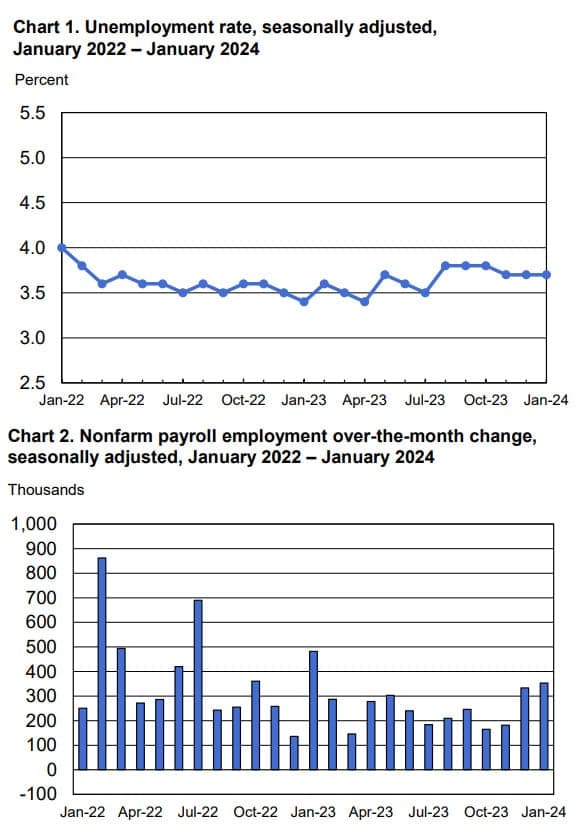
The Bureau of Labor Statistics released a long delayed employment report today showing nonfarm payrolls increased by 64,000 in November, following a 105,000 decline in October. The agency characterized the publication as a partial combined update covering both months, a timing quirk that makes the October and November readings best understood together rather than in isolation.
Taken as a pair, the two month sequence shows a net loss of 41,000 jobs, underscoring a pattern of softness in late autumn. The October slump was driven largely by departures from federal payrolls related to buyouts and a deferred resignation program implemented earlier in the year. Federal government employment fell by 162,000 in October and declined by another 6,000 in November, leaving federal payrolls down 271,000 from their January peak.
The November recovery was narrow in scope. Healthcare added 46,000 jobs, social assistance added 18,000, and construction contributed 28,000. Those gains were partially offset by a 18,000 decline in transportation and warehousing, a drop the BLS attributed principally to losses among couriers and messengers. The concentration of gains in a handful of industries highlights fragility beneath the headline, with broad based hiring still lacking.
The November print exceeded market expectations. Consensus forecasts had centered on a 40,000 payroll increase, leaving the reported 64,000 gain as a modest beat that nevertheless does not reverse the two month weakening. The BLS also issued a revision to its September estimate, signaling ongoing adjustments as the agency reconciles timing and classification effects from federal personnel changes.

For policymakers the report creates a mixed signal. On one hand the November increase eases concerns about a rapid downturn in hiring. On the other hand the sharp federal contraction in October and the modest overall two month result suggest labor market slack has widened slightly. That nuance matters for the Federal Reserve as it weighs the persistence of tightness in the labor market against signs of cooling in wages and employment growth. A narrow set of industry gains and continued weakness in net payrolls are likely to temper calls for more aggressive rate moves, but they do not eliminate inflation risks tied to labor shortages in key sectors such as healthcare and construction.
Markets will parse the details carefully in the coming days, particularly any further revisions and the household survey measures that track unemployment and labor force participation. For businesses and households the immediate takeaway is unevenness. Job opportunities remain in expanding sectors, yet federal workforce reductions and losses in transportation jobs illustrate how policy driven personnel shifts can materially alter headline employment statistics.
Analysts caution that the long delayed nature of the release increases the risk of further revisions, and that the underlying trend will be clearer after the BLS completes standard monthly publication cadence. For now the labor market appears to be holding on, but with scratches that point to slower and more uneven growth ahead.
This article was produced by Prism’s automated news system from verified source data, official records, and press releases, then run through automated quality and moderation checks before publishing. The system is built and supervised by the people who set the standards it runs under. Read our full AI policy.
Did this article answer your question?

