US launches fourth day of strikes on Iran, reinstates naval blockade
Four straight days of U.S. strikes and a renewed blockade put Hormuz back in the crosshairs as Iran weighs widening the fight.

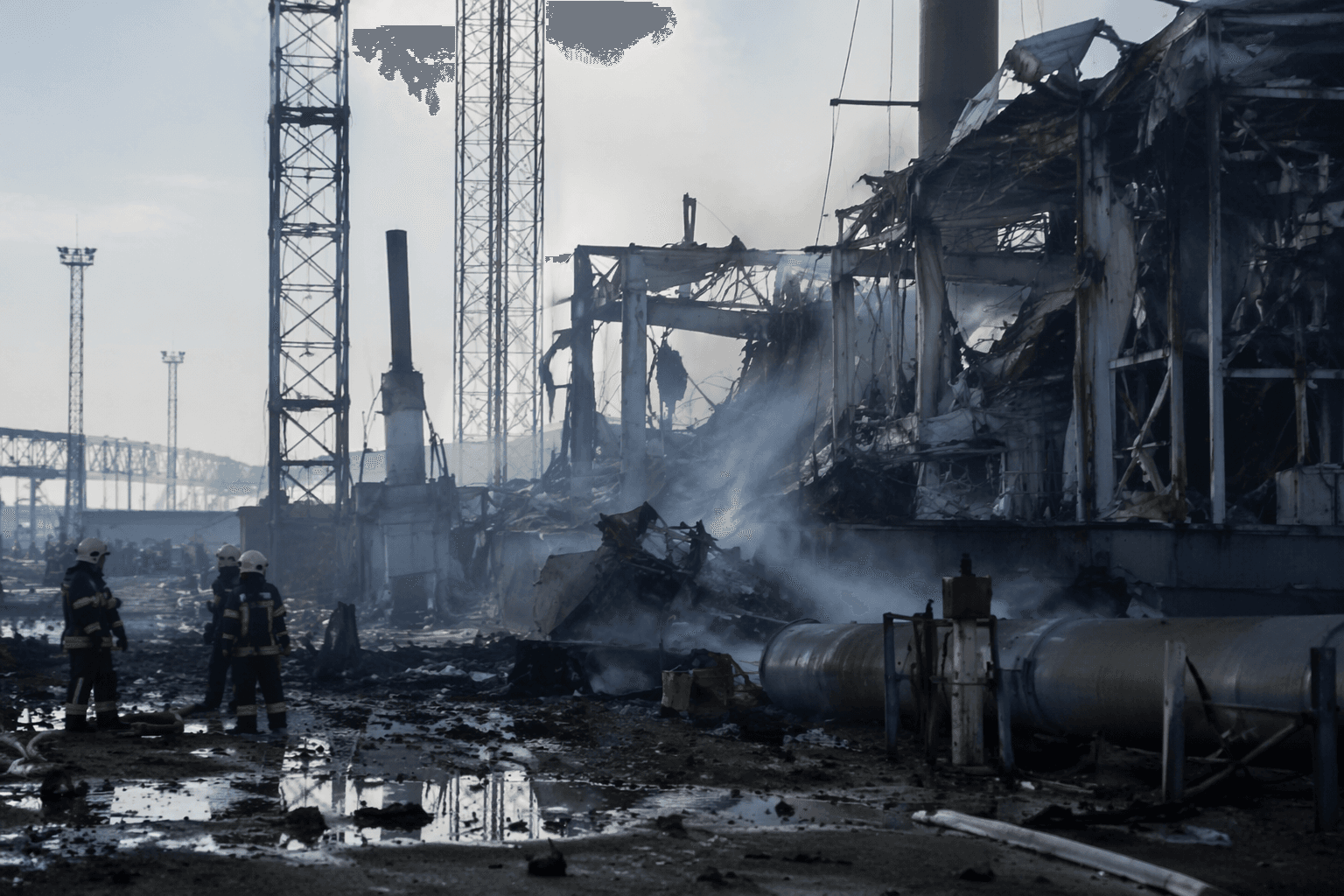
U.S. forces struck Iranian targets for a fourth straight day Tuesday as CENTCOM said a seven-hour operation began at 3 p.m. ET and hit dozens of military targets near the Strait of Hormuz and along Iran’s coast. Washington also reimposed a naval blockade on Iranian ports and coastal waters tied to the strait, effective at 2000 GMT, reversing the lifting of the measure in June. CENTCOM said its campaign has helped facilitate the transit of more than 800 commercial vessels and 400 million barrels of crude oil since early May.
The U.S. first imposed the blockade in mid-April and lifted it in mid-June after an interim deal opened a 60-day negotiation window, but talks stalled as fighting intensified. Trump abandoned a proposed 20% fee on ships transiting Hormuz after a 24-hour scramble from Gulf allies and administration officials, replacing it with trade and investment deals.
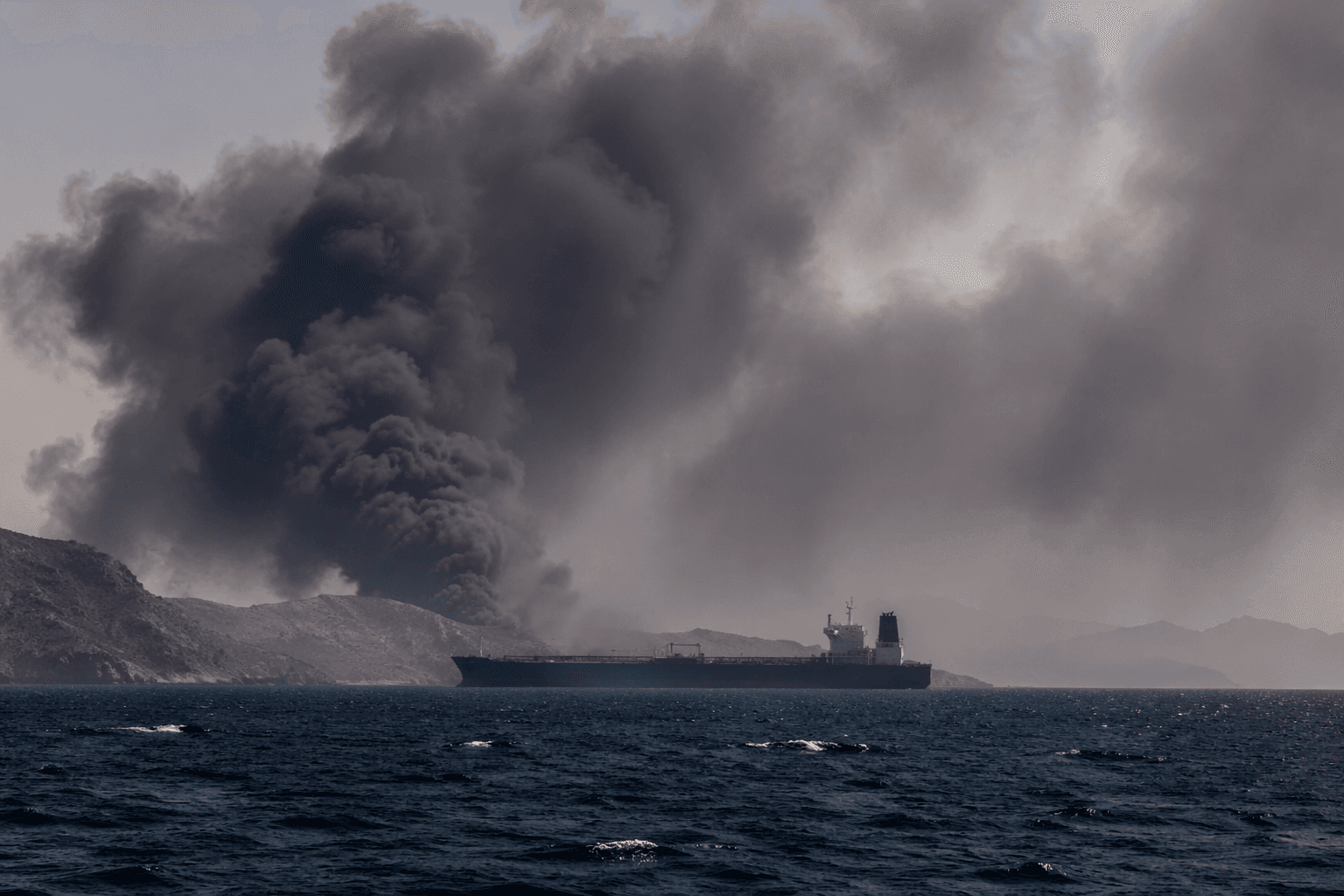
Tehran signaled it may answer by widening the fight beyond Hormuz. The Islamic Revolutionary Guard Corps threatened to close "all other export corridors that benefit the U.S. and its allies," and Iran could try to use Houthi allies in Yemen to threaten Bab el-Mandeb, the southern gateway to the Red Sea. That route is already vulnerable: the EIA says crude oil and oil-product flows through Bab el-Mandeb fell by more than 50% in the first eight months of 2024, after attacks on commercial shipping pushed tankers onto longer, costlier routes around Africa.
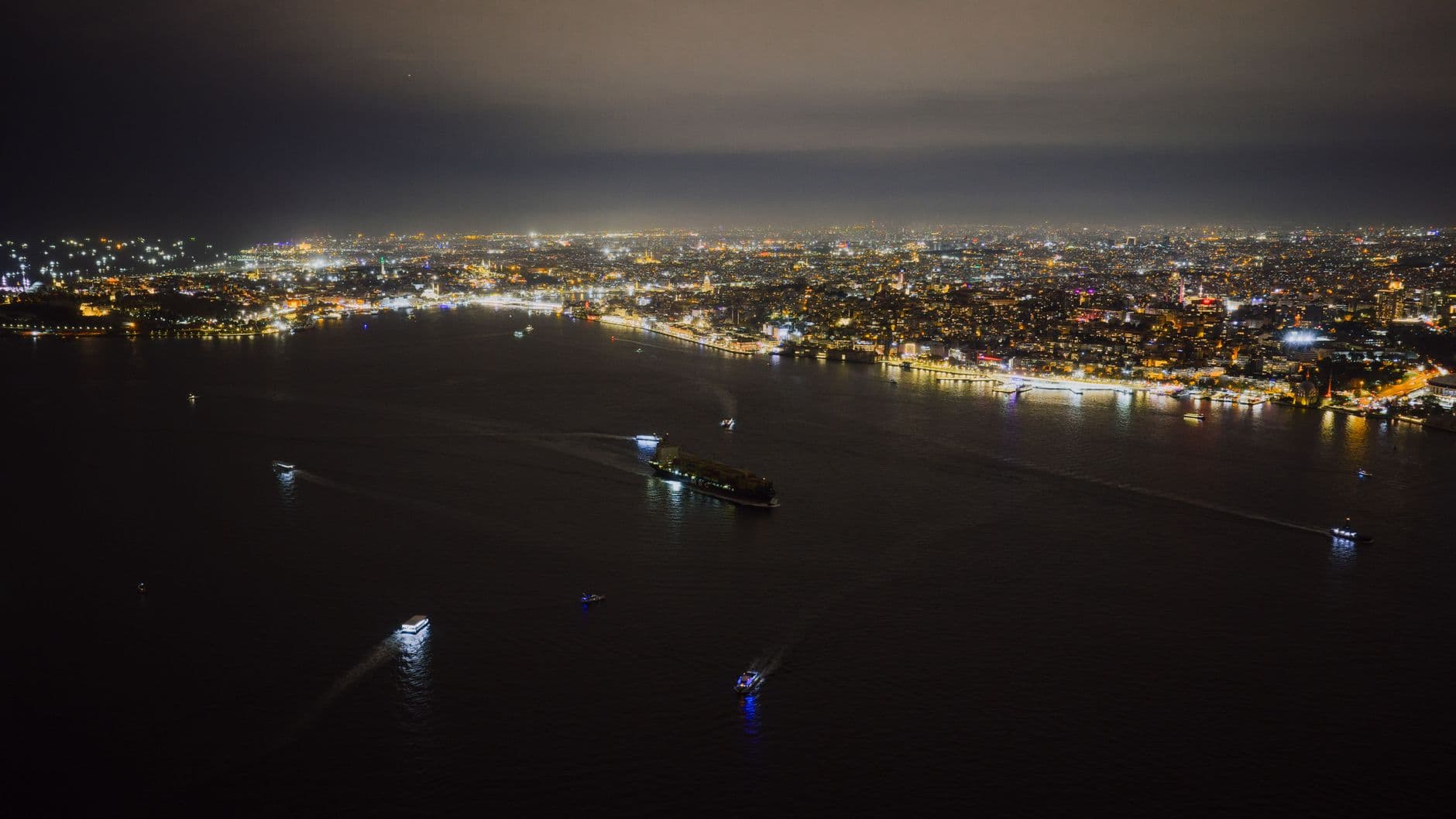
The IEA says the Strait of Hormuz carried an average of 20 million barrels per day of crude oil and oil products in 2025, about a quarter of global seaborne oil trade, and about one-fifth of global LNG trade also passed through it. At its narrowest point, the strait is only 29 nautical miles wide, with two 2-mile navigation channels and a 2-mile buffer zone. The strait has never been fully closed, but the 1980s Tanker War showed how quickly naval intervention can be pulled in when shipping is threatened.
This article was produced by Prism’s automated news system from verified source data, official records, and press releases, then run through automated quality and moderation checks before publishing. The system is built and supervised by the people who set the standards it runs under. Read our full AI policy.
Did this article answer your question?