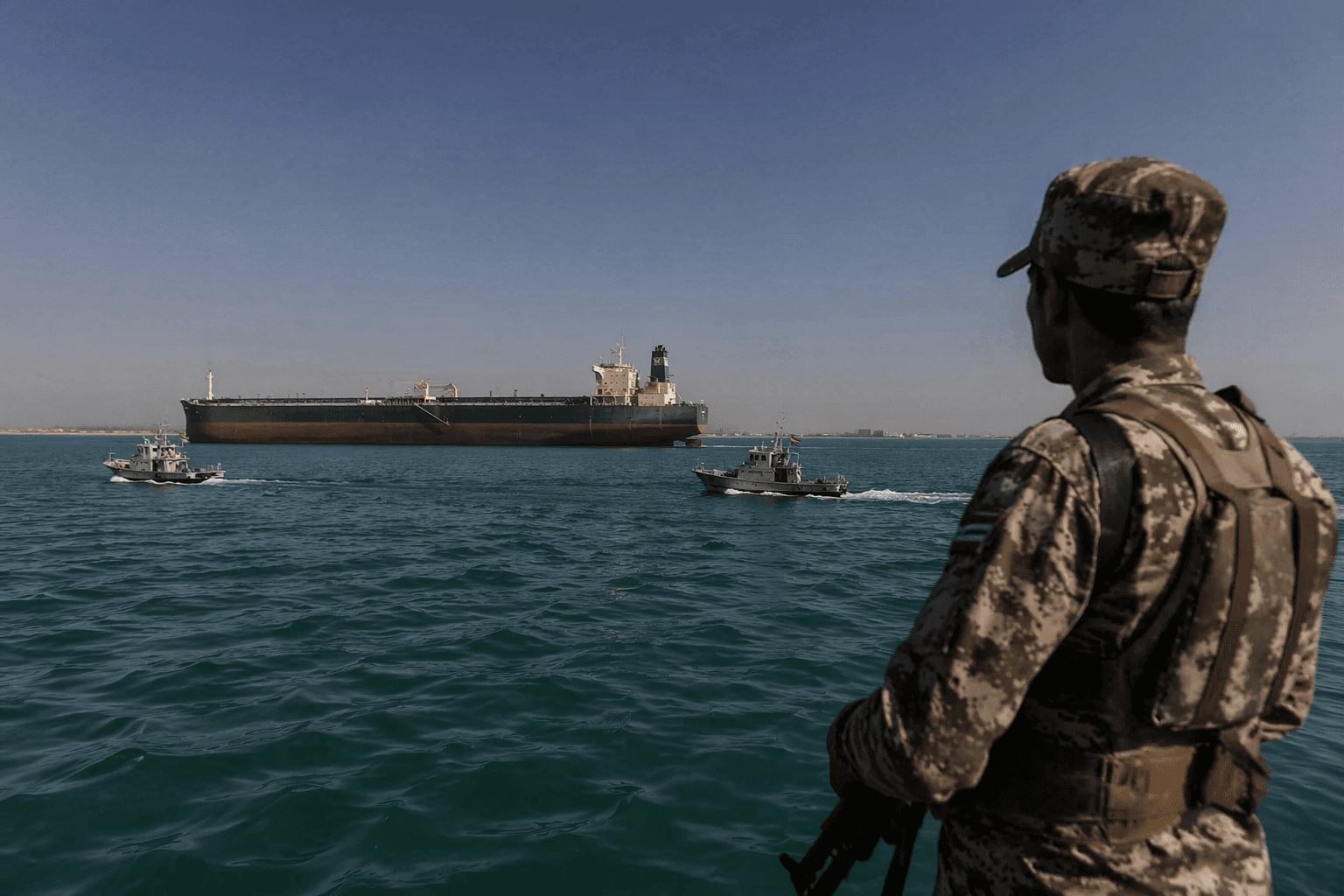
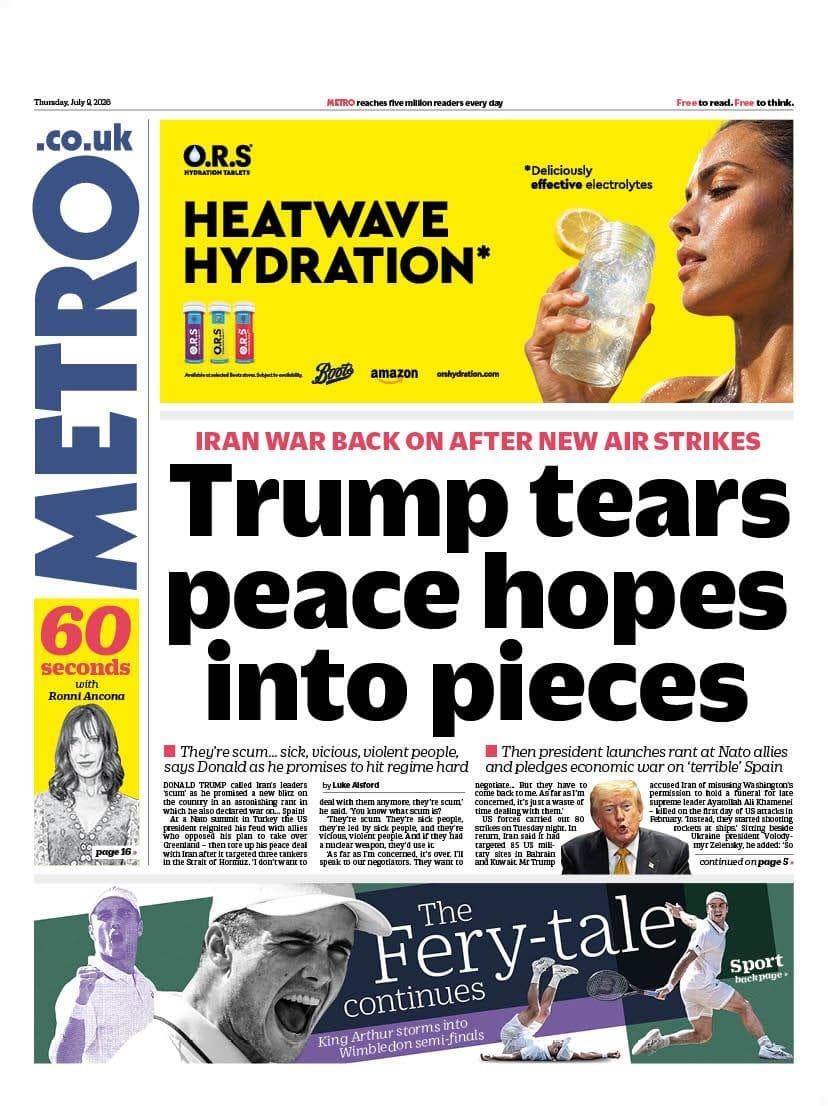
US launches fresh strikes on Iran after ship attacks in Hormuz
Fresh U.S. strikes hit more than 80 Iranian targets after ship attacks in Hormuz, as Tehran threatened immediate retaliation and alarms spread to Kuwait and Bahrain.
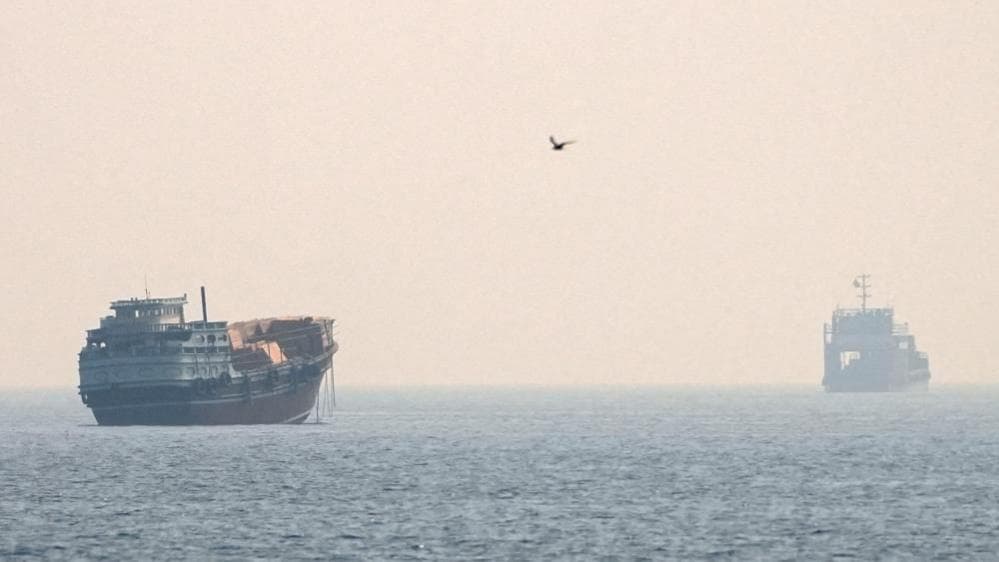
U.S. forces launched another round of strikes on Iran after attacks on commercial shipping in the Strait of Hormuz, with Donald Trump saying the action was “retribution for yesterday’s bombing of ships by Iran.” Trump warned that if the ship attacks happen again, “it will get much worse,” sharpening a confrontation that now stretches from tankers in the gulf to U.S. facilities in neighboring states.
U.S. Central Command said it had completed a new round of strikes on Tuesday against more than 80 targets, and a U.S. official said Wednesday’s follow-up attacks were larger in number than the previous day’s. The administration said the strikes were meant to keep the Strait of Hormuz open to shipping and to degrade Iran’s ability to threaten freedom of navigation through a waterway that carries a large share of the world’s oil shipments.
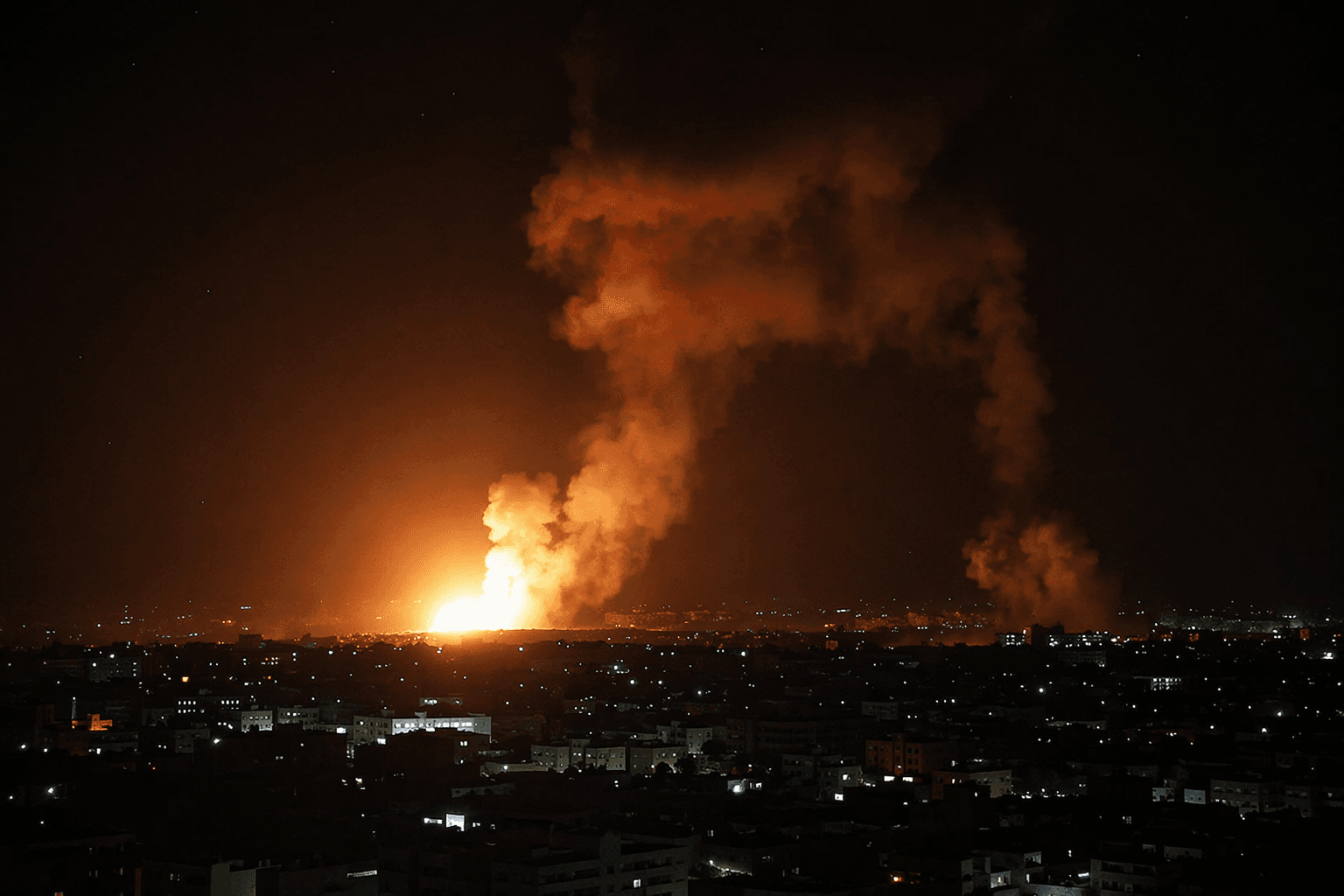
Iranian state media reported explosions in Sirik and Bandar Abbas, with additional reports from Bushehr, Chabahar, Qeshm Island and Kish Island. Warplanes were also heard over Kish Island, and parts of the southern and southeastern coast were reported to have lost electricity. Iranian officials had already warned that any U.S. attack would face an “immediate response.”
That retaliation began to widen the conflict beyond the strait itself. Reports said Iran fired back at U.S. sites in Kuwait and Bahrain after the American strikes, prompting Kuwait’s Foreign Ministry to condemn what it called repeated Iranian aggression and Bahrain authorities to sound air-raid alerts. The exchange has turned the Strait of Hormuz into more than a shipping dispute: each strike now risks moving the confrontation from maritime harassment to direct state-on-state attacks across the Gulf.
This article was produced by Prism’s automated news system from verified source data, official records, and press releases, then run through automated quality and moderation checks before publishing. The system is built and supervised by the people who set the standards it runs under. Read our full AI policy.
Did this article answer your question?