U.S.-led Gaza truce stalls as Hamas resists disarmament pressure
A U.S.-backed Gaza truce was frozen on one demand: Hamas disarm before rebuilding money and troop withdrawals can begin.

The U.S.-backed Gaza truce has stalled on the same hard bargain that has shadowed every phase of the talks: Hamas must give up its weapons before the next stage can unlock reconstruction money, Israeli withdrawal and a new governing plan for Gaza and the West Bank.
Nickolay Mladenov, who is overseeing the ceasefire effort, told the United Nations Security Council on March 24 that the first phase of the U.S. 20-point plan was largely complete and that the truce was still holding despite serious challenges. Three days earlier, he said mediators had agreed on a framework to rebuild Gaza, but it required full decommissioning by Hamas and every other armed group. On May 13, Mladenov said Hamas could still have a political role in postwar Gaza if it disarmed, underscoring the compromise mediators are trying to sell: weapons off the table, politics still possible.
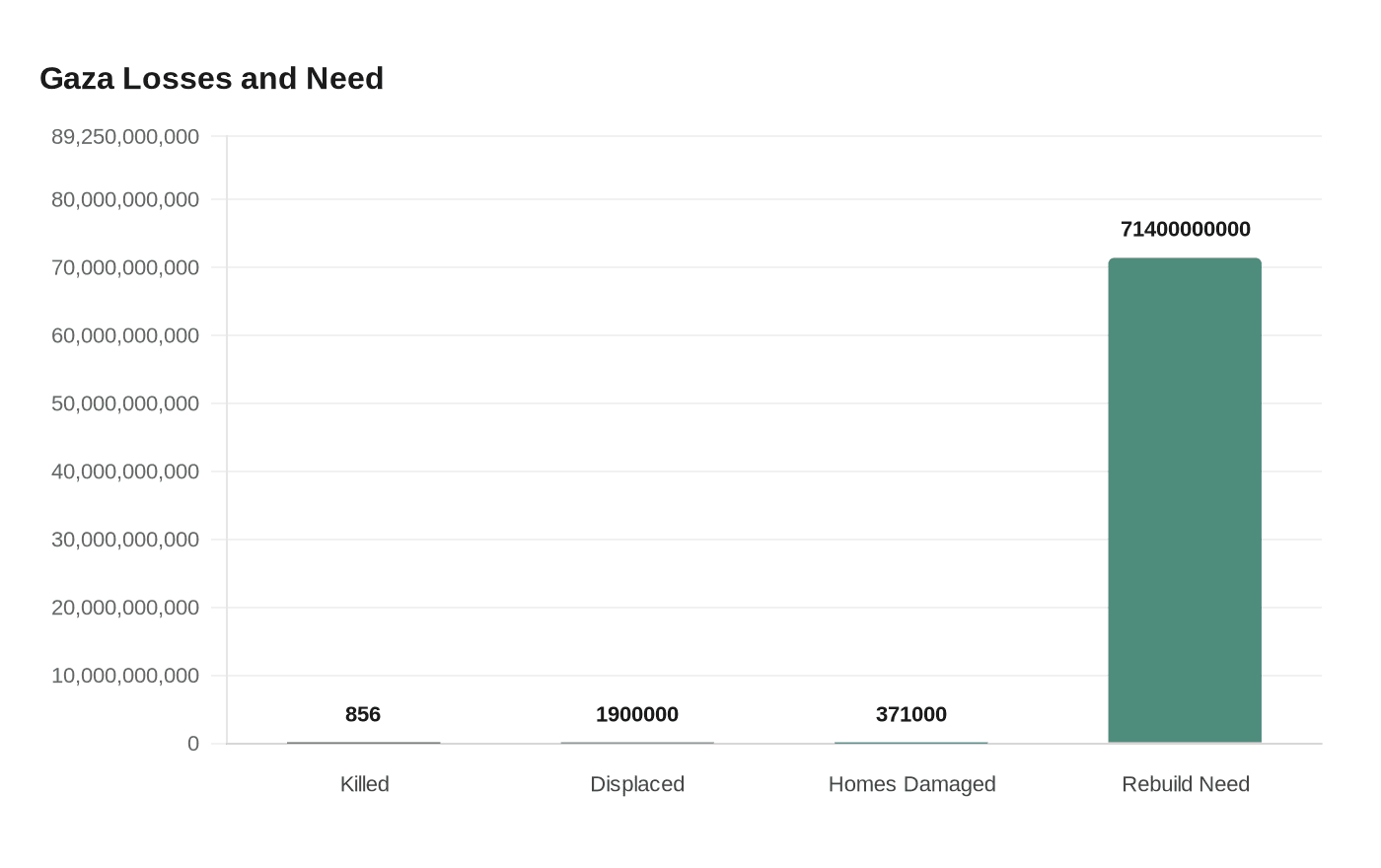
Hamas has rejected that pressure while accusing Israel of breaking the ceasefire first. Spokesperson Hazem Qassem said Israel should be identified as the party violating the truce and argued that pressure should be placed on Israel to implement the first phase and begin second-phase talks. Humanitarian groups have said Israel has not allowed the promised amount of aid into Gaza, and Hamas still controlled roughly half the Strip. Figures cited on May 13 said Israeli forces had killed at least 856 Palestinians since the ceasefire began on October 10, 2025, a toll that has deepened mistrust even as the deal nominally held.
The scale of destruction shows why mediators keep pushing the second phase despite the deadlock. A joint World Bank, United Nations and European Union assessment in April estimated that Gaza would need $71.4 billion for recovery and reconstruction over the next decade. United Nations experts said more than 371,000 housing units had been destroyed or damaged and about 1.9 million people had been displaced, often repeatedly. With Gaza’s devastation this severe, reconstruction is being tied to a political reset, not just a pile of cash.
That reset includes an International Stabilization Force, with Indonesia, Morocco, Kazakhstan, Kosovo and Albania said to have committed troops, and a reformed Palestinian Authority intended to eventually govern both Gaza and the West Bank. But as long as Israel and Hamas keep accusing each other of ceasefire violations, the central tradeoff remains unresolved: disarmament for rebuilding, or continued paralysis in a territory already crushed by war.
This article was produced by Prism’s automated news system from verified source data, official records, and press releases, then run through automated quality and moderation checks before publishing. The system is built and supervised by the people who set the standards it runs under. Read our full AI policy.
Did this article answer your question?