U.S. manufacturing hits four-year high as war fears drive stockpiling
Factories surged to a four-year high, but the jump was driven by safety stocks as war fears and tariffs pushed firms to hoard inputs.

U.S. factories posted their strongest month in four years, but the headline masked a more fragile message: companies were rushing to build safety stocks as war-related shortages and tariff pressure raised the risk of higher costs and disrupted deliveries.
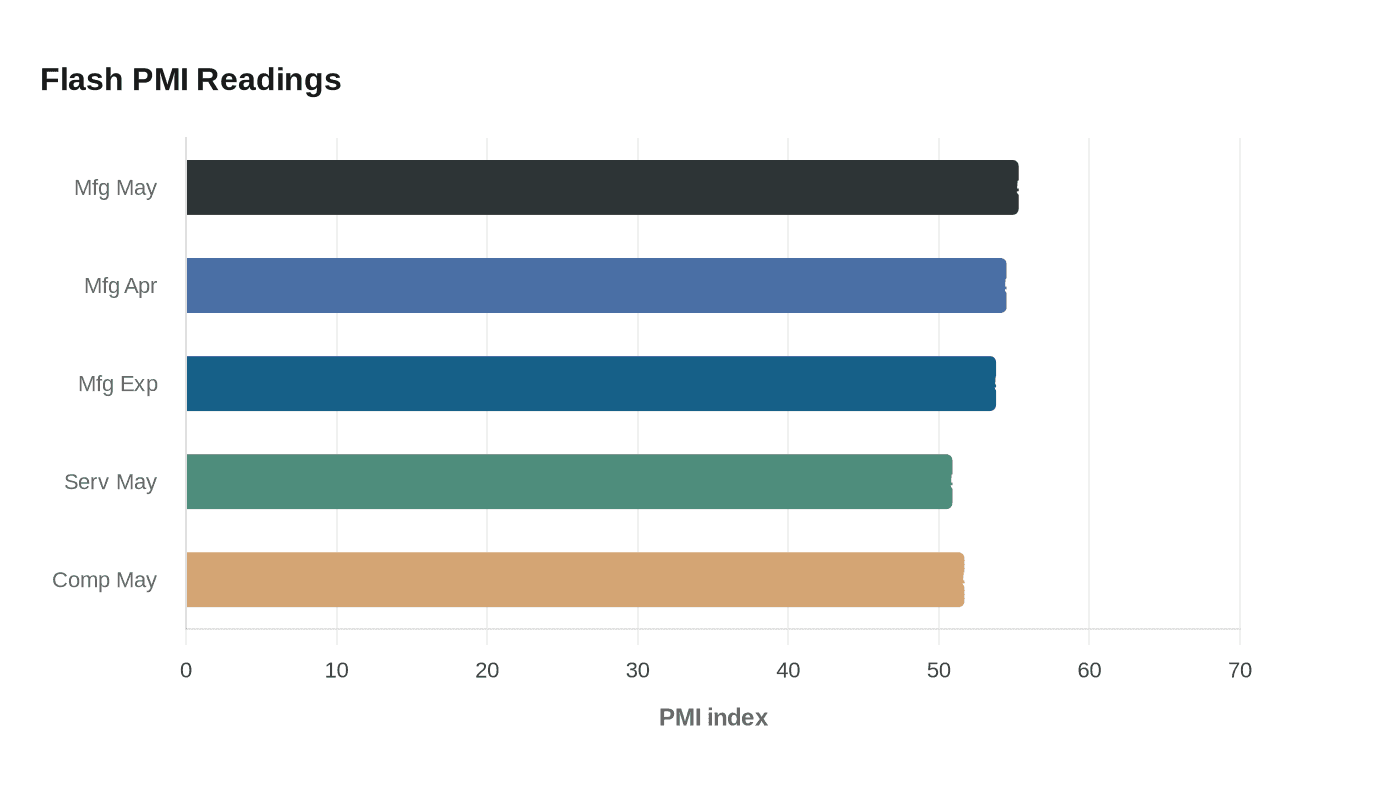
S&P Global’s flash manufacturing purchasing managers’ index climbed to 55.3 in May from 54.5 in April, the best reading since May 2022 and above the 53.8 economists had expected. A reading above 50 signals expansion, and manufacturing, while only 9.4% of the U.S. economy, was doing most of the heavy lifting as firms tried to get ahead of price spikes and supply snarls.
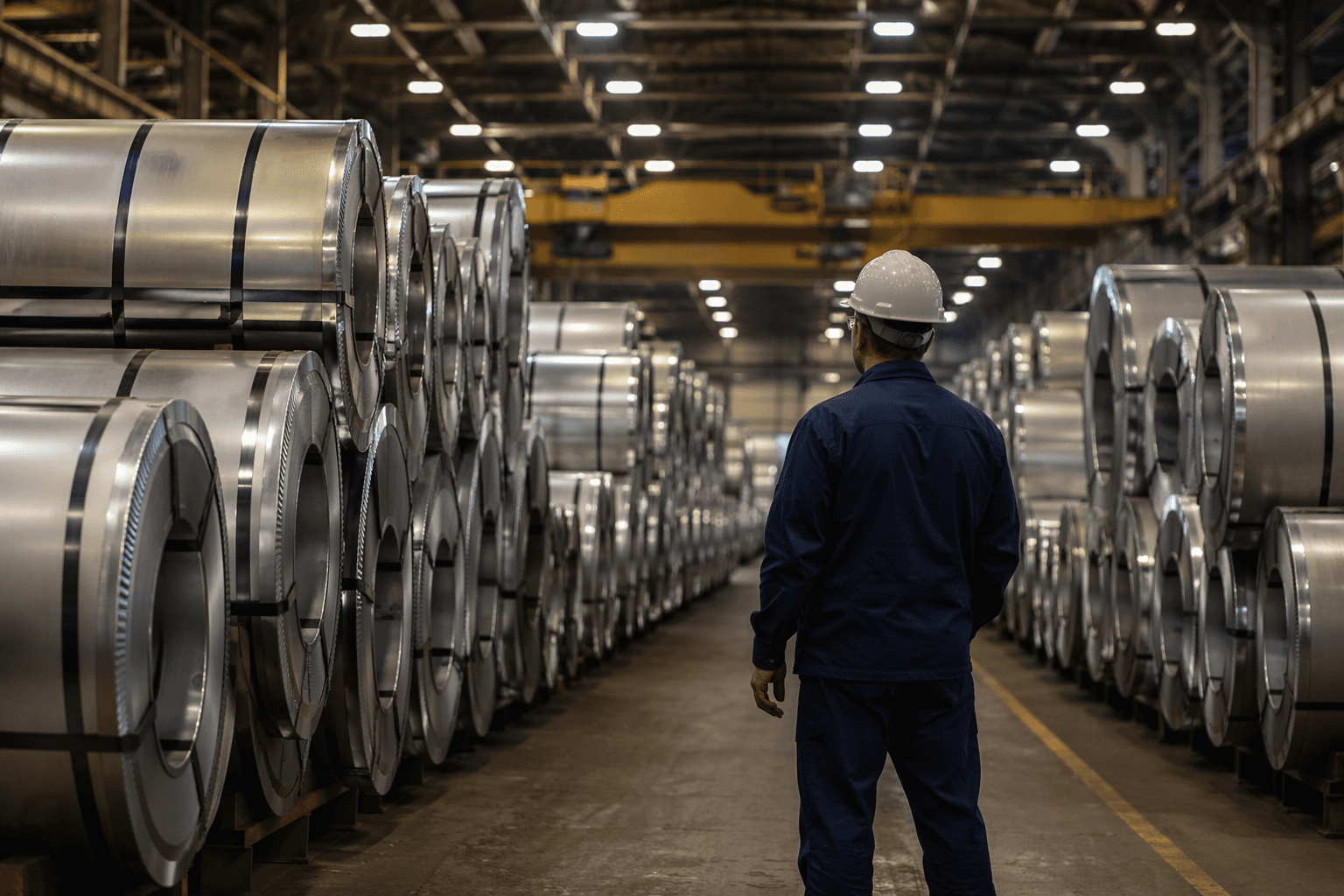
The strength looked less like a clean demand boom than a precautionary scramble. Input inventories rose to an 11-month high as manufacturers built buffers against shortages and higher prices tied to the war with Iran. Supplier delivery times lengthened to levels last seen in August 2022, a sign that supply lines were under strain. Factory input-price measures jumped to their highest since June 2022, while the overall prices-paid gauge also rose sharply, suggesting that higher costs were still moving through the system and could eventually reach consumers.
The pressure was not limited to factory gates. Conflict in the Middle East has disrupted shipping in the Strait of Hormuz, lifted energy prices and tightened global supply chains, creating shortages of goods ranging from fertilizers and aluminum to consumer products. S&P Global’s latest materials said higher prices were being linked to war-related energy costs and tightening supply conditions, reinforcing the view that the inflation pulse was broadening rather than fading.
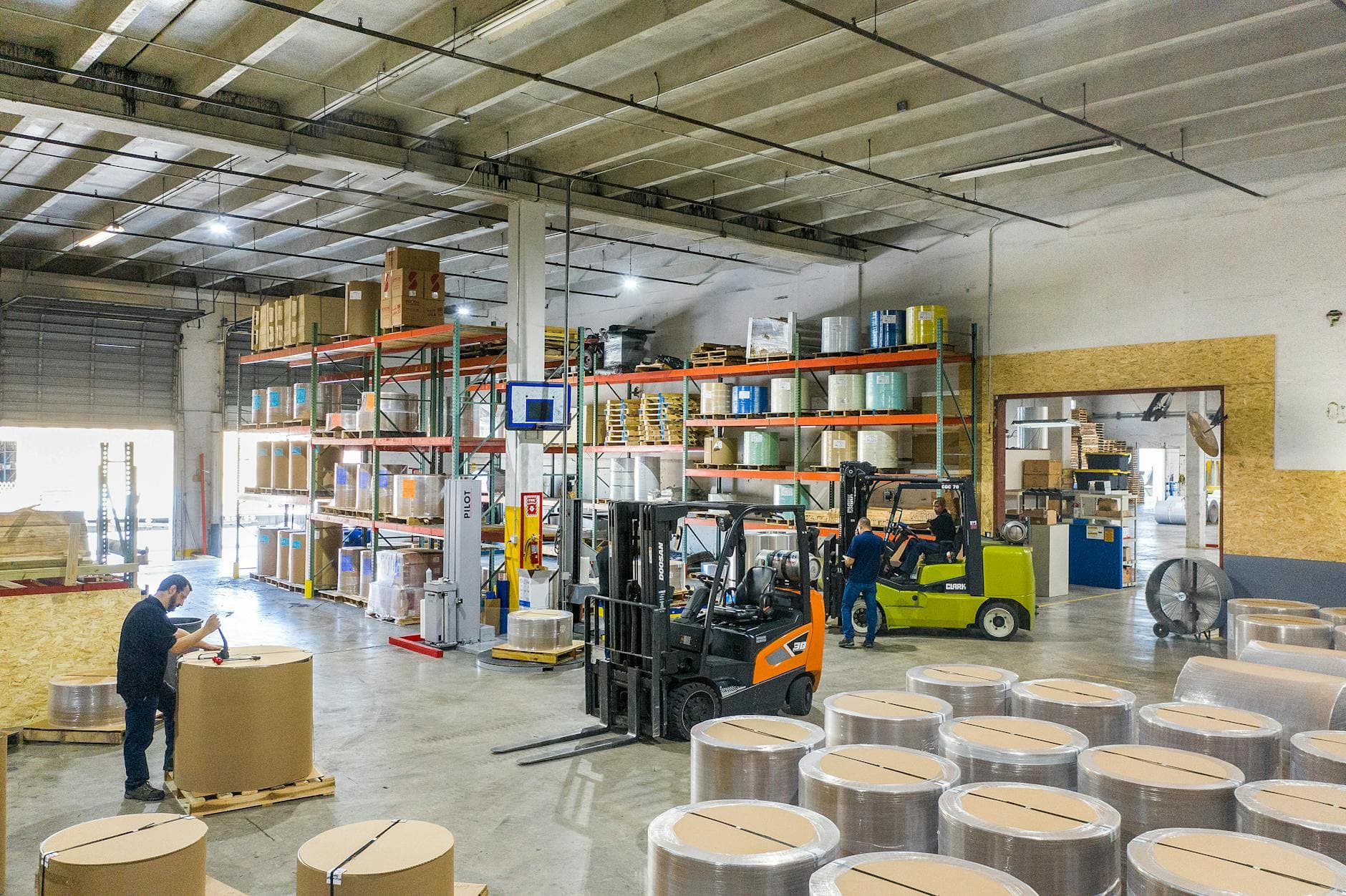
The services side of the economy was softer. The flash services PMI eased to 50.9 from 51.0, and the composite output index held at 51.7, indicating only modest overall growth. Chris Williamson, chief business economist at S&P Global Market Intelligence, warned that the economy would struggle to manage annualized GDP growth of much more than 1% in the second quarter.
The May reading fit a pattern that had already emerged under tariff pressure. A year earlier, manufacturers had been front-loading purchases as they braced for disruptions, and inventories of purchases were rising at a record pace. This time, the trigger was geopolitical risk rather than trade policy alone, but the mechanism was the same: precautionary ordering can flatter factory output in the short run, then leave companies exposed to higher input costs, thinner margins and a later pullback if stockpiles overshoot demand.
This article was produced by Prism’s automated news system from verified source data, official records, and press releases, then run through automated quality and moderation checks before publishing. The system is built and supervised by the people who set the standards it runs under. Read our full AI policy.
Did this article answer your question?

