U.S. Maritime Seizures of Venezuela Tankers Spark China Panama Protests
U.S. maritime forces over the past two weeks have seized at least two tankers and are pursuing a third in international waters near Venezuela, actions that have drawn protests from Panama and China and intensified global scrutiny of sanction enforcement. The operations raise legal and diplomatic questions about jurisdiction, flag registry practices, and the wider human rights risks of maritime interdictions.
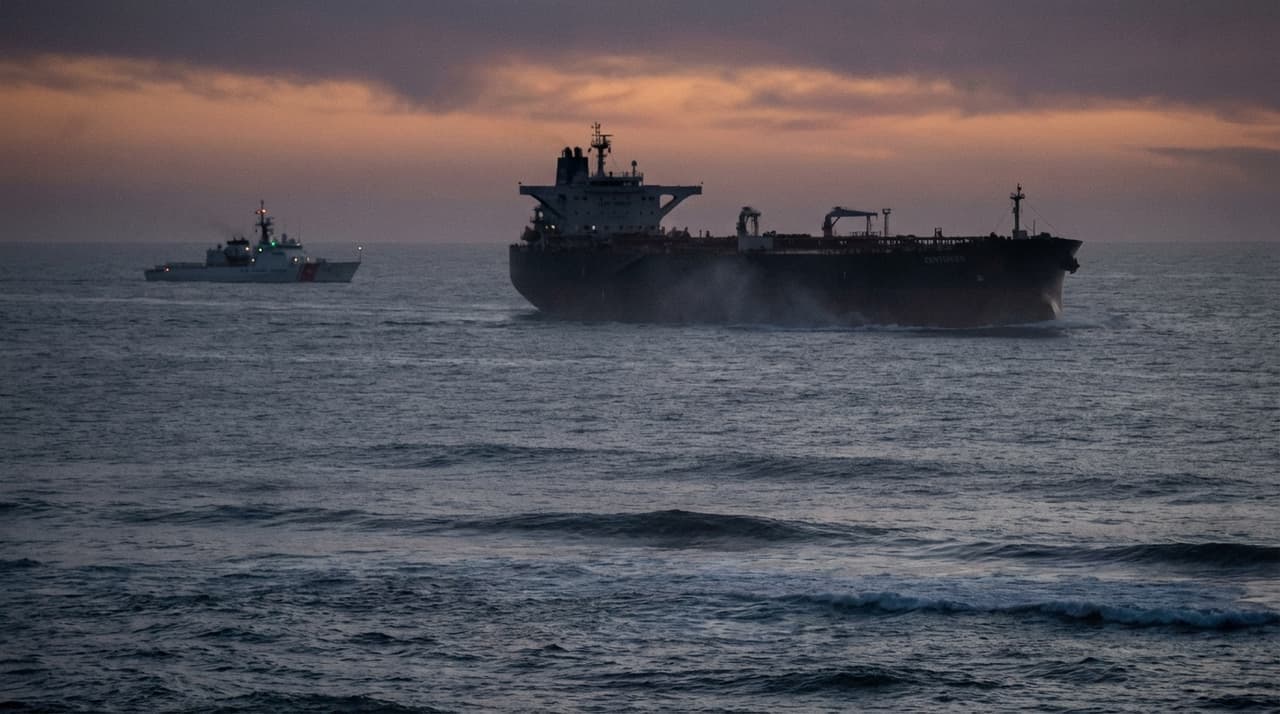
U.S. enforcement activity in the Caribbean Sea has escalated into a diplomatic flashpoint as American authorities seized two oil tankers and pursued a third that they say were tied to Venezuela’s state oil sector and to efforts to evade U.S. sanctions. The most recent operation, described in reporting as a Saturday seizure, involved a Panama flagged supertanker identified as the Centuries. The vessel was reportedly using the false name Crag and was carrying about 1.8 million barrels of Merey crude oil destined for China, according to published accounts. The Centuries was said to be under a judicial seizure order.
An earlier seizure on December 10 involved a tanker called the Skipper, which has been described in reporting as a sanctioned vessel. U.S. officials also told reporters that Coast Guard vessels are actively pursuing a third tanker in international waters near Venezuela, a ship described by officials as part of a Venezuelan shadow or dark fleet, sailing under a false flag and also subject to a judicial seizure order.
The operations took place in international waters, a fact that has raised immediate questions about legal authority and precedent. United States officials framed the interdictions as enforcement of sanctions aimed at disrupting networks that move Venezuelan crude around sanctions regimes. Reporters have linked the interdictions to a broader campaign undertaken during the previous U.S. administration to crack down on tanker movements tied to Venezuela. That linkage has been invoked in diplomatic conversations about the consistency and reach of U.S. sanctions enforcement.
Panama and China have registered formal protests, according to diplomatic sources and reporting, escalating what might otherwise have been routine maritime law enforcement into a matter of state to state friction. Panama flagged registrations are central to the dispute because the Centuries was sailing under Panama registry while allegedly using an alternate name. For Beijing the transit of Venezuelan crude has geopolitical and commercial resonance, given China’s long running energy ties with Caracas.
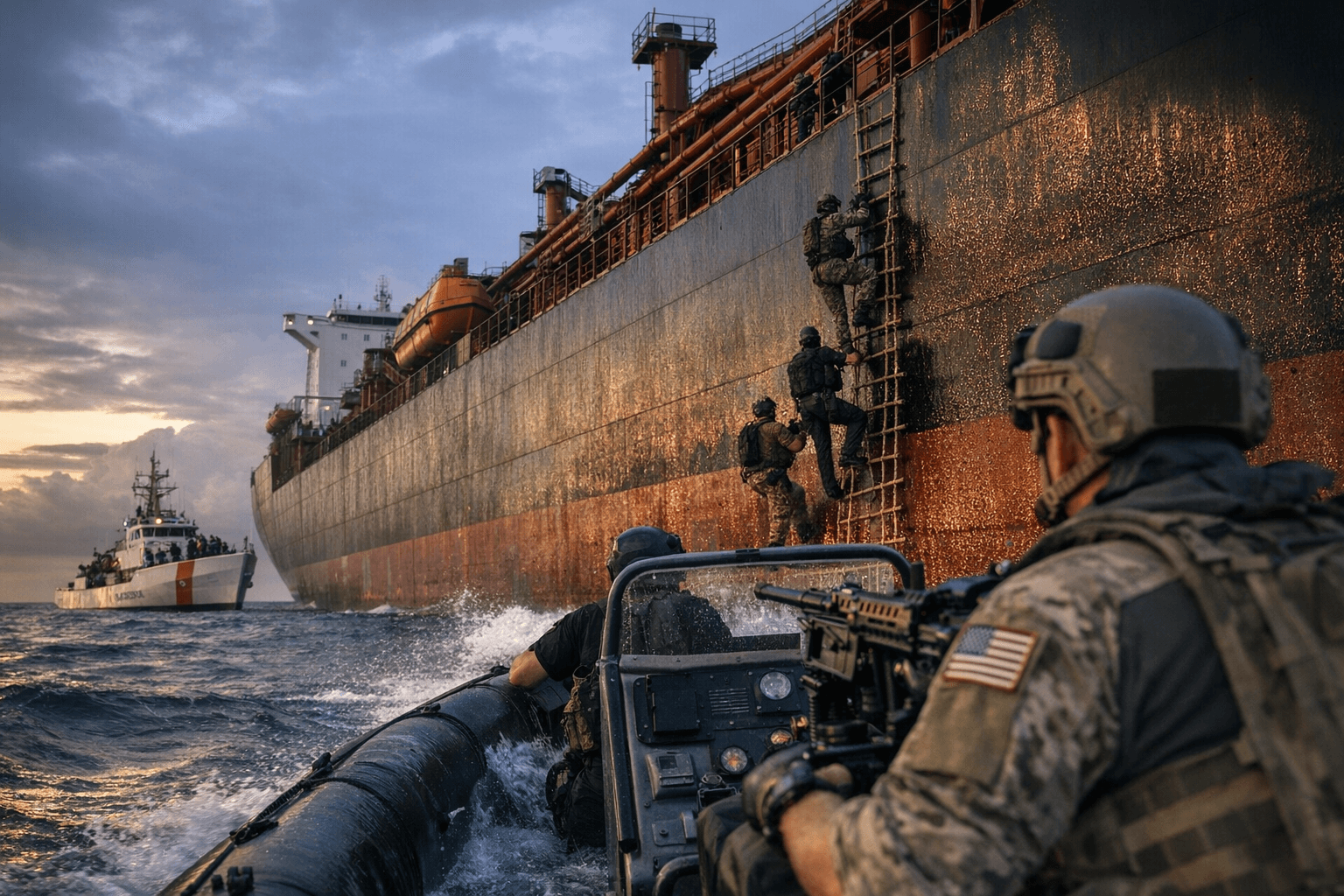
Human rights and legal advocates have also raised alarms. Coverage of related interdictions cites a pattern of U.S led strikes against vessels accused of narcotics trafficking that resulted in at least 104 deaths in 28 known strikes since September. Critics argue that the evidence supporting some of these actions has been thin, and that lethal enforcement at sea can verge on extrajudicial violence without transparent legal process.
Several key verifications remain outstanding. Public copies of the judicial seizure orders, ship manifests showing beneficial ownership and cargo documentation, and public statements from Panama’s maritime authority and from Chinese officials have not been released in the material cited by reporters. International maritime law experts note that seizures on the high seas implicate complex questions of jurisdiction, flag state obligations, and due process for shipowners and crews.
As tensions rise, the episode underscores how maritime commerce, sanctions policy, and great power competition can intersect. For governments and commercial registries alike the case tests norms about transparency, the limits of unilateral sanction enforcement, and the diplomatic risks of policing global energy flows in waters adjacent to a politically sensitive state.
This article was produced by Prism’s automated news system from verified source data, official records, and press releases, then run through automated quality and moderation checks before publishing. The system is built and supervised by the people who set the standards it runs under. Read our full AI policy.
Did this article answer your question?


