US memo accuses Chinese firms of distilling American AI models
The White House said China-based actors used tens of thousands of proxy accounts and jailbreaking to strip U.S. AI models, escalating the tech fight beyond chips.
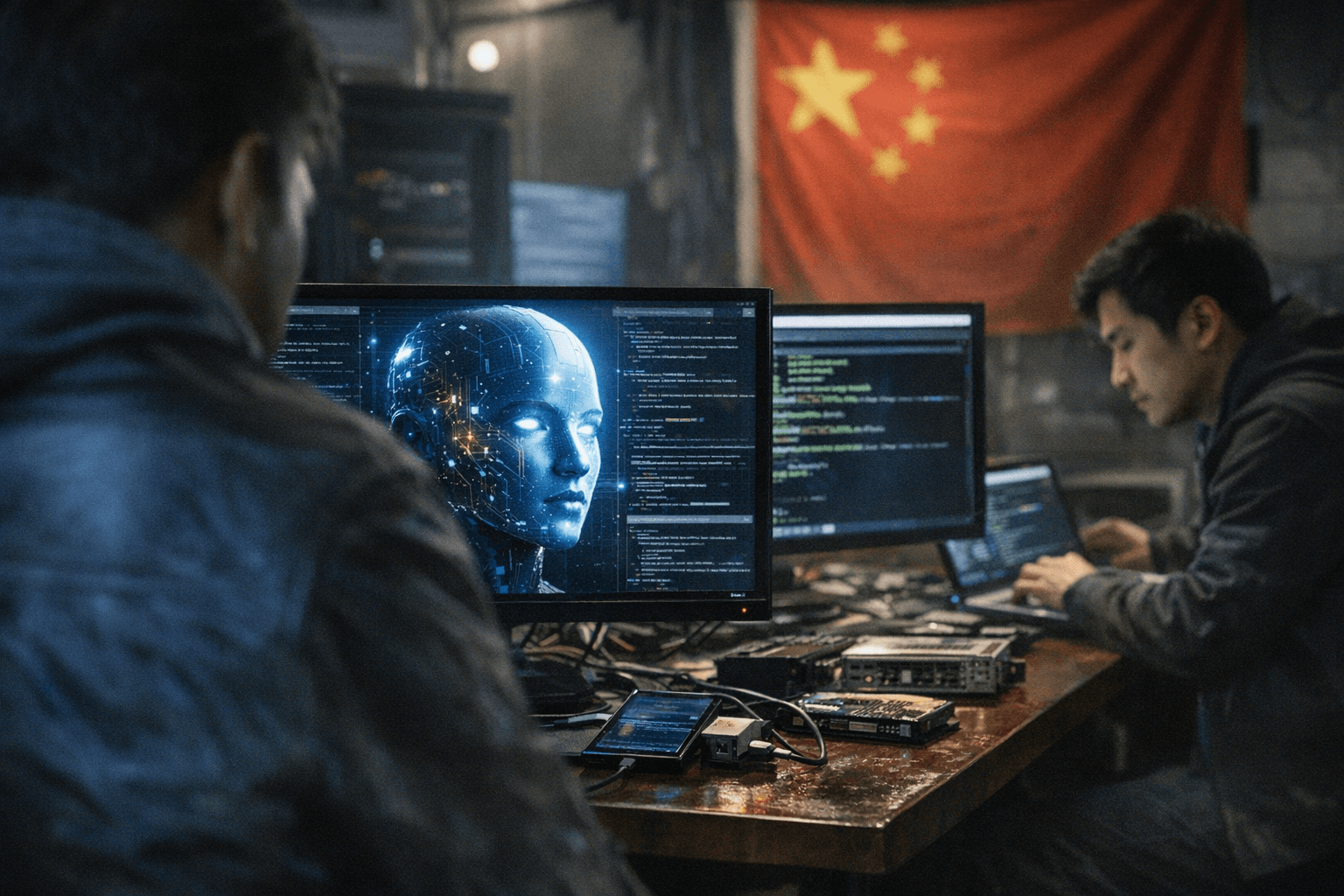
The White House has moved to treat AI model copying as a national-security fight, accusing China-based actors of running deliberate, industrial-scale efforts to distill U.S. frontier systems by flooding them with queries from tens of thousands of proxy accounts. Michael Kratsios, the president’s science and technology adviser, said those campaigns extracted proprietary capabilities from American models and produced cheaper copies that can mimic some benchmarks while stripping out safety controls.
In a memo dated April 23 and sent to federal agencies, Kratsios said the administration would share information with U.S. AI companies about the tactics and actors involved, help private firms coordinate defenses, develop best practices to detect and mitigate industrial-scale distillation, and explore measures to hold foreign actors accountable. The memo also drew a line between legitimate distillation, a routine method for making smaller models, and unauthorized copying that it says undermines American research and development.
The allegations rest in part on a public pattern already visible in the industry. In February, Anthropic said three Chinese AI labs, DeepSeek, Moonshot and MiniMax, had generated more than 16 million exchanges with Claude through about 24,000 fraudulent accounts, calling it an industrial-scale extraction effort. Anthropic said illicitly distilled models can lose necessary safeguards and spread dangerous capabilities into military, intelligence, surveillance, cyber and disinformation systems.
That evidence is not a court ruling, and the enforcement problem is obvious: distillation is a normal training technique, the line between legitimate model compression and theft is hard to police, and the output can resemble the original only on select benchmarks. The memo itself says copied systems do not fully match the original models’ performance, which makes proof and attribution harder even as the practice lowers costs for rivals trying to move fast.
The diplomatic timing raises the stakes. Reuters reported that the memo landed weeks before President Donald Trump is set to visit Beijing for a May 14-15 summit with Xi Jinping, and the Chinese Embassy in Washington rejected the accusations as baseless while saying Beijing takes intellectual property protection seriously. Washington is also still weighing how much advanced Nvidia chip supply China may receive, underscoring that the contest now stretches from chips to the models built on top of them.
This article was produced by Prism’s automated news system from verified source data, official records, and press releases, then run through automated quality and moderation checks before publishing. The system is built and supervised by the people who set the standards it runs under. Read our full AI policy.
Did this article answer your question?


