US, Mexico and Canada align Ebola travel measures before World Cup
North America’s World Cup hosts moved together on Ebola screening as the DRC-Uganda outbreak raised fears of uneven border rules.

The United States, Mexico and Canada moved in lockstep on Ebola travel rules on May 28, trying to keep one of the world’s biggest sporting events from colliding with a patchwork of border policies. Their joint statement said the measures were meant to protect “citizens and the millions of visitors, fans, athletes, and tourists expected during the FIFA World Cup 2026” while keeping travel and commerce moving across North America.
The timing matters. FIFA World Cup 2026 is set for June and July and will be staged across the three host countries, making airport screening and border coordination a shared public-health problem as much as a security or logistics one. Officials are trying to reassure travelers that the response is deliberate and aligned, not improvised or punitive.

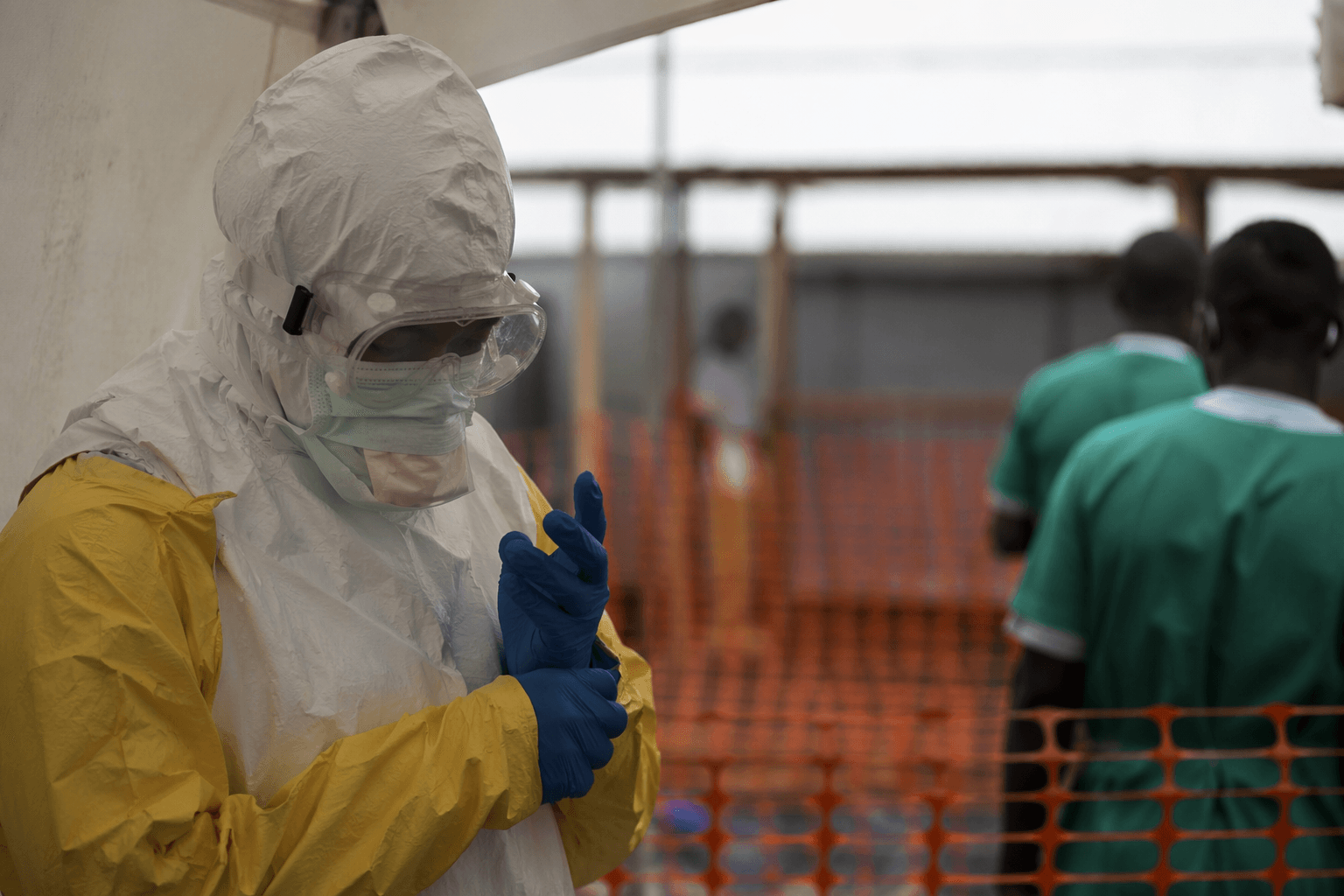
The coordination followed a fast-moving Ebola outbreak in the Democratic Republic of the Congo and Uganda. The World Health Organization declared the outbreak a Public Health Emergency of International Concern on May 17, warning of the risk of cross-border spread. WHO identified the virus as Bundibugyo Ebola, a strain for which there is no vaccine or specific treatment, and said the response is being complicated by insecurity, a remote but densely populated area, and heavy population and trade movement.
The United States had already barred non-citizens who had recently traveled to the Democratic Republic of the Congo, Uganda or South Sudan from entering. The Centers for Disease Control and Prevention later extended that restriction to green-card holders who had been in those countries within the previous 21 days. U.S. citizens and nationals may still enter, but they face enhanced public-health screening and are expected to monitor for Ebola symptoms for 21 days after leaving affected countries.
Canada tightened first on May 26, announcing temporary border measures for residents from the Democratic Republic of the Congo, Uganda and South Sudan for 90 days. Ottawa said asymptomatic Canadian citizens, permanent residents and other foreign nationals returning from affected areas would need to quarantine for 21 days beginning May 30. Mexico’s health ministry, led by David Kershenovich, had already urged people to avoid travel to the Democratic Republic of the Congo, said airport screening would be tightened, and asked arrivals from there to quarantine for 21 days.
The U.S. State Department and Global Affairs Canada both published the trilateral statement, underscoring how closely the three governments are coordinating ahead of the tournament. For public health officials, the goal is clear: protect travelers and residents without creating unnecessary panic or choking off the travel and commerce that the World Cup will bring.
This article was produced by Prism’s automated news system from verified source data, official records, and press releases, then run through automated quality and moderation checks before publishing. The system is built and supervised by the people who set the standards it runs under. Read our full AI policy.
Know something we missed? Have a correction or additional information?
Submit a Tip