WHO pushes Ebola treatments into trials as Congo outbreak spreads
WHO ordered experimental Ebola drugs and vaccines kept in trials as Bundibugyo cases spread across Congo and Uganda, with no licensed treatment to deploy.
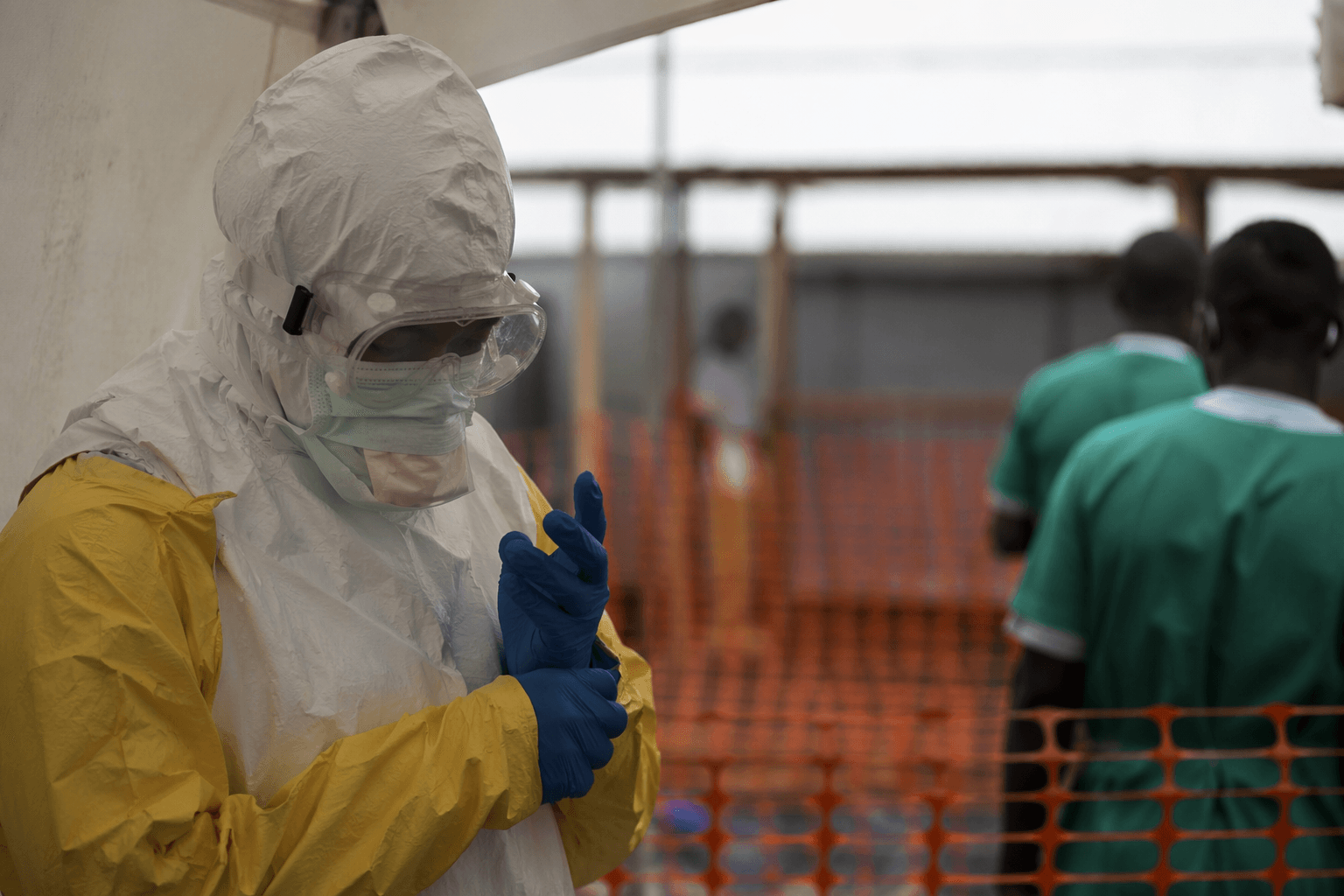
WHO moved experimental Ebola countermeasures into formal clinical trials as Bundibugyo virus disease spread across central Africa, arguing that the outbreak may be the only chance to generate hard evidence before the window closes. On May 28, the agency said candidate treatments and vaccines should be used only within trials, not through ad hoc deployment, because there are no licensed products specifically approved for Bundibugyo virus disease.
The treatment research priority centered on Mapp Biopharmaceutical’s MBP134, Regeneron’s maftivimab and Gilead Sciences’ remdesivir. WHO also called for studies of a combination approach using a monoclonal antibody together with remdesivir. For prevention after exposure, the agency named obeldesivir as the leading candidate for contacts of confirmed and probable cases. On the vaccine side, WHO said the most promising option was the single-dose rVSV Bundibugyo candidate from the International AIDS Vaccine Initiative, but said it would likely need seven to nine months before it was ready for assessment in a clinical trial.
The outbreak had already crossed borders by the time WHO issued its trial guidance. The agency was first alerted on May 5 after a high-mortality illness was reported in Mongbwalu Health Zone in Ituri Province. The Institut national de recherche biomédicale tested 13 blood samples on May 14, and by May 15 eight were confirmed as Bundibugyo virus disease. That same day, the Democratic Republic of the Congo declared its 17th Ebola outbreak, while Uganda confirmed a cross-border imported case involving a Congolese man who died in Kampala.
WHO Director-General Tedros Adhanom Ghebreyesus declared the outbreak a Public Health Emergency of International Concern on May 17. Africa CDC said that by May 16 the outbreak had caused at least 106 deaths, including 105 in the DRC and one in Uganda. By May 18, it reported 8 confirmed cases, 393 suspected cases and 105 deaths in the DRC, including four health-care workers, with spread documented in Ituri and North Kivu provinces, including Goma.

The response is unfolding in a harsh setting that includes humanitarian crisis, insecurity, dense and remote populations, and heavy population and trade movement. WHO is working with authorities in Congo and Uganda, along with partners including Africa CDC, to shape ethically sound trials and strengthen cross-border readiness, a shift that could influence how future outbreaks of rare Ebola strains are fought.
This article was produced by Prism’s automated news system from verified source data, official records, and press releases, then run through automated quality and moderation checks before publishing. The system is built and supervised by the people who set the standards it runs under. Read our full AI policy.
Know something we missed? Have a correction or additional information?
Submit a Tip

