U.S. military carries out another strike on alleged drug boat in Pacific
A second straight day of lethal strikes killed two men in the eastern Pacific as a Pentagon review opened that will not examine legality.
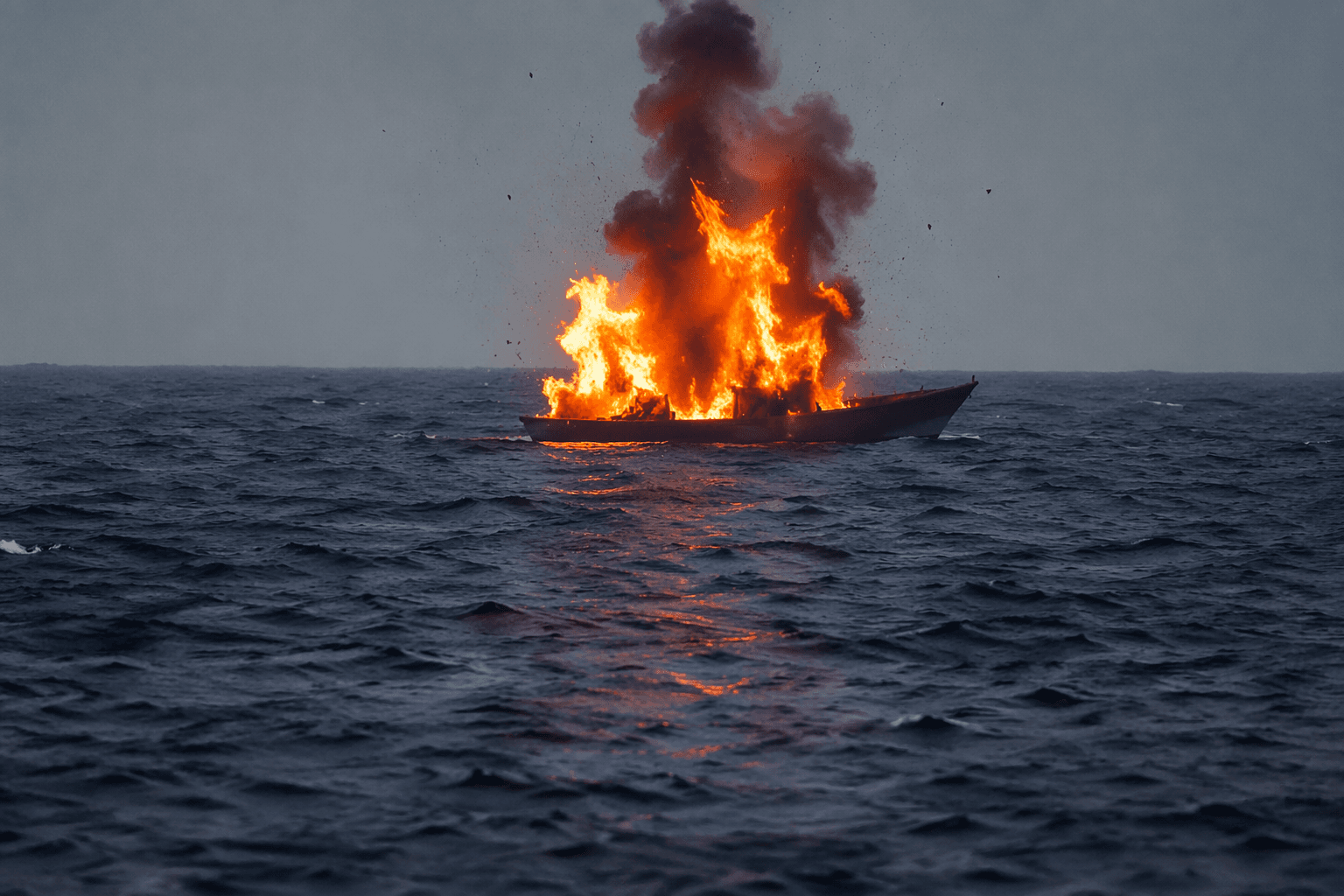
The U.S. military struck another vessel it said was carrying drugs in the eastern Pacific Ocean on May 27, killing two men and extending a campaign that has already become one of the Trump administration’s most aggressive uses of force at sea.
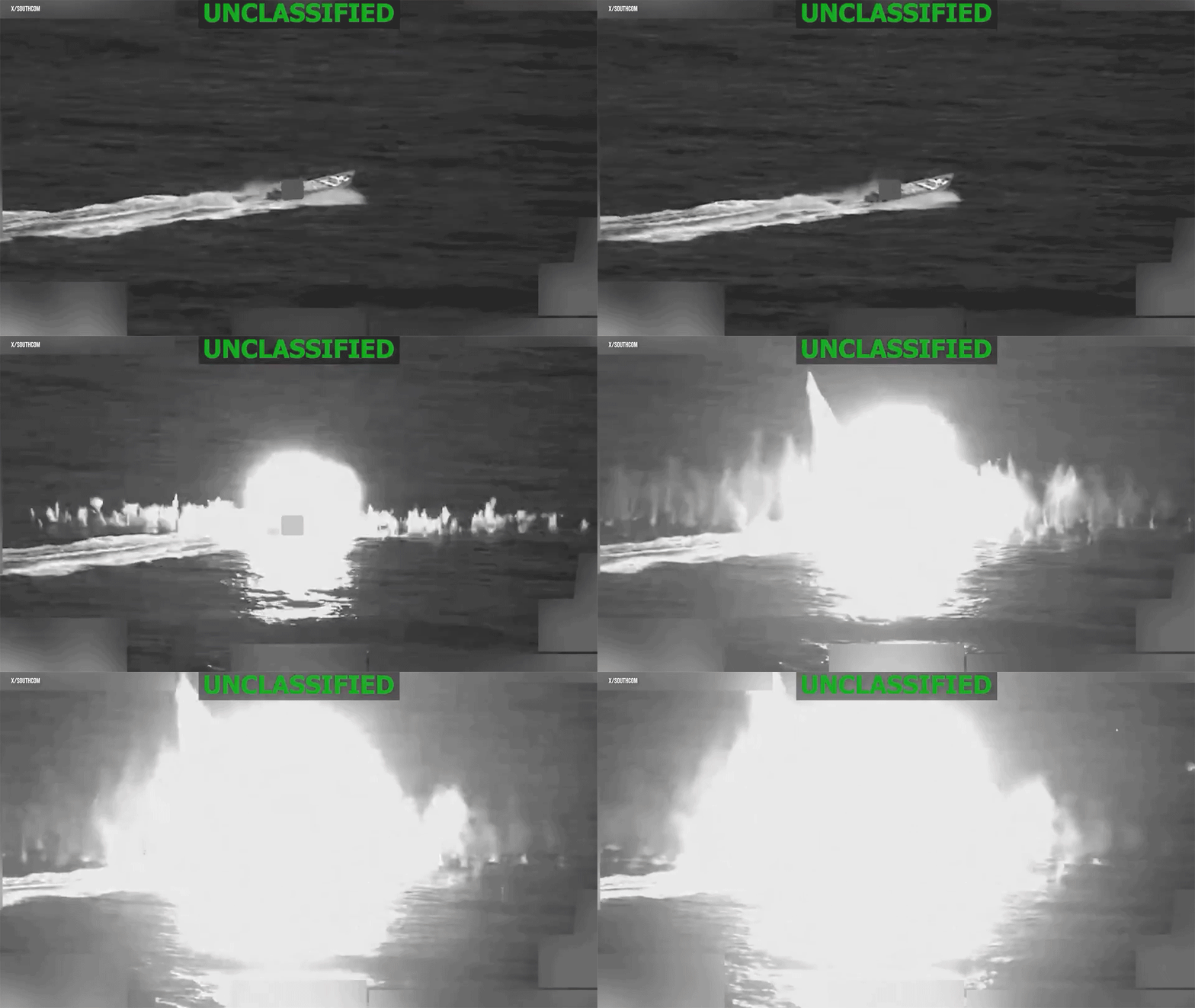
U.S. Southern Command said Joint Task Force Southern Spear carried out the attack at the direction of Gen. Francis L. Donovan. A day earlier, U.S. forces hit another suspected drug boat in the same region, killing one man and leaving two survivors who were passed into the U.S. Coast Guard search-and-rescue system. The two strikes underscored how quickly the campaign has escalated from interdiction into repeated lethal action on open water.
SOUTHCOM says the effort is part of Operation Southern Spear, which it describes as a counter-narcotics campaign aimed at vessels operated by designated terrorist organizations and moving along known narco-trafficking routes. The command has not publicly released evidence that the targeted boats were carrying drugs, even as Democratic lawmakers and military legal scholars have pressed for the factual basis and the rules of engagement behind the shootings. The Pentagon inspector general’s office said last week that it had opened a self-initiated review of whether the military followed its targeting framework, but that review will not examine legality.
The toll is mounting fast. Stars and Stripes has reported that strikes in the Caribbean Sea and eastern Pacific Ocean since early September 2025 have killed at least 196 people. Military Times said that as of May 28, the administration and military had publicly disclosed 60 strikes and at least 185 deaths based on official acknowledgments and reporting. Together, the tallies show a sustained campaign rather than an isolated incident, with lethal force becoming a central tool of counternarcotics policy.
At the same time, SOUTHCOM’s own website continues to publicize conventional Coast Guard interdictions, including a May 8 seizure off Cartagena, Colombia, of about 6,085 pounds of cocaine worth nearly $45.8 million. That contrast highlights the strategic question now facing Washington: whether the U.S. is treating suspected drug trafficking as a battlefield threat, and how far the military is prepared to stretch its authority before interdiction gives way to a broader militarization of the drug war.
This article was produced by Prism’s automated news system from verified source data, official records, and press releases, then run through automated quality and moderation checks before publishing. The system is built and supervised by the people who set the standards it runs under. Read our full AI policy.
Know something we missed? Have a correction or additional information?
Submit a Tip