U.S. military flights near Cuba surge as tensions rise, retailers bet on stores
U.S. surveillance flights near Cuba jumped to at least 25 since Feb. 4, while Walmart and Target poured billions into stores, signaling two shifts in American capital.

U.S. military intelligence flights near Cuba have climbed sharply in 2026, with flight-tracking data showing at least 25 Navy and Air Force missions since Feb. 4, many of them using manned aircraft and drones near Havana and Santiago de Cuba. Some flew within less than 40 miles of the Cuban coastline, a visible change from the weeks before February, when publicly tracked U.S. military flights in the area were described as rare.
The surge points to a quieter but unmistakable hardening of Washington’s posture toward Cuba. The flights are concentrated near the island’s political and economic centers, suggesting U.S. planners are paying closer attention to coastal activity, military movements and any sign of instability as Cuba’s economic and energy crisis deepens. The pattern also fits a broader deterioration in U.S.-Cuba relations, where surveillance, deterrence and signaling increasingly matter as much as formal diplomacy.
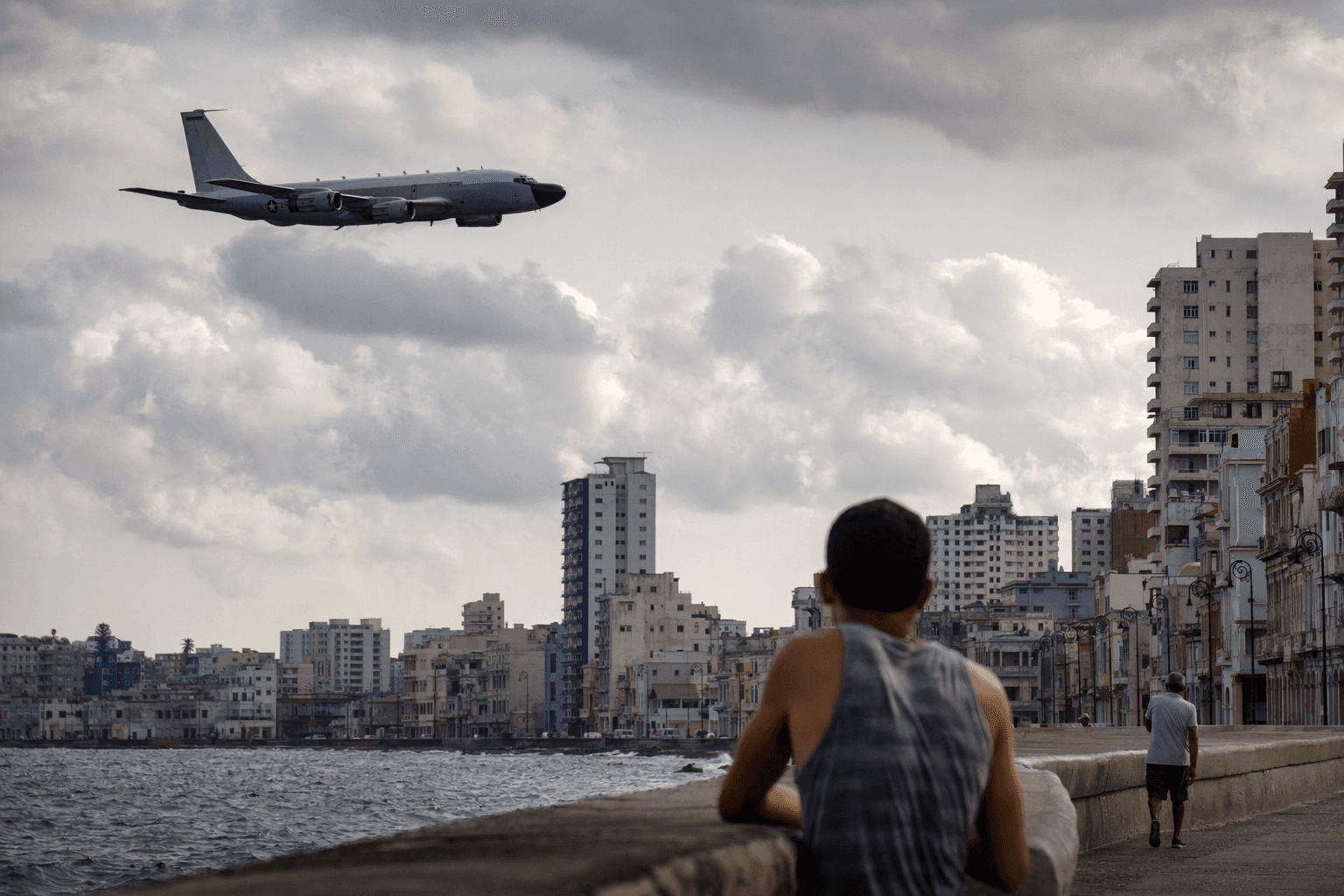
Across the Caribbean, that kind of watchfulness has become more common as governments and militaries try to read a region under stress. For Cuba, the combination of falling reserves, energy shortages and persistent pressure on daily life has made the island more vulnerable to outside scrutiny. For Washington, the repeated missions indicate that the Pentagon is treating the situation as more than routine monitoring.
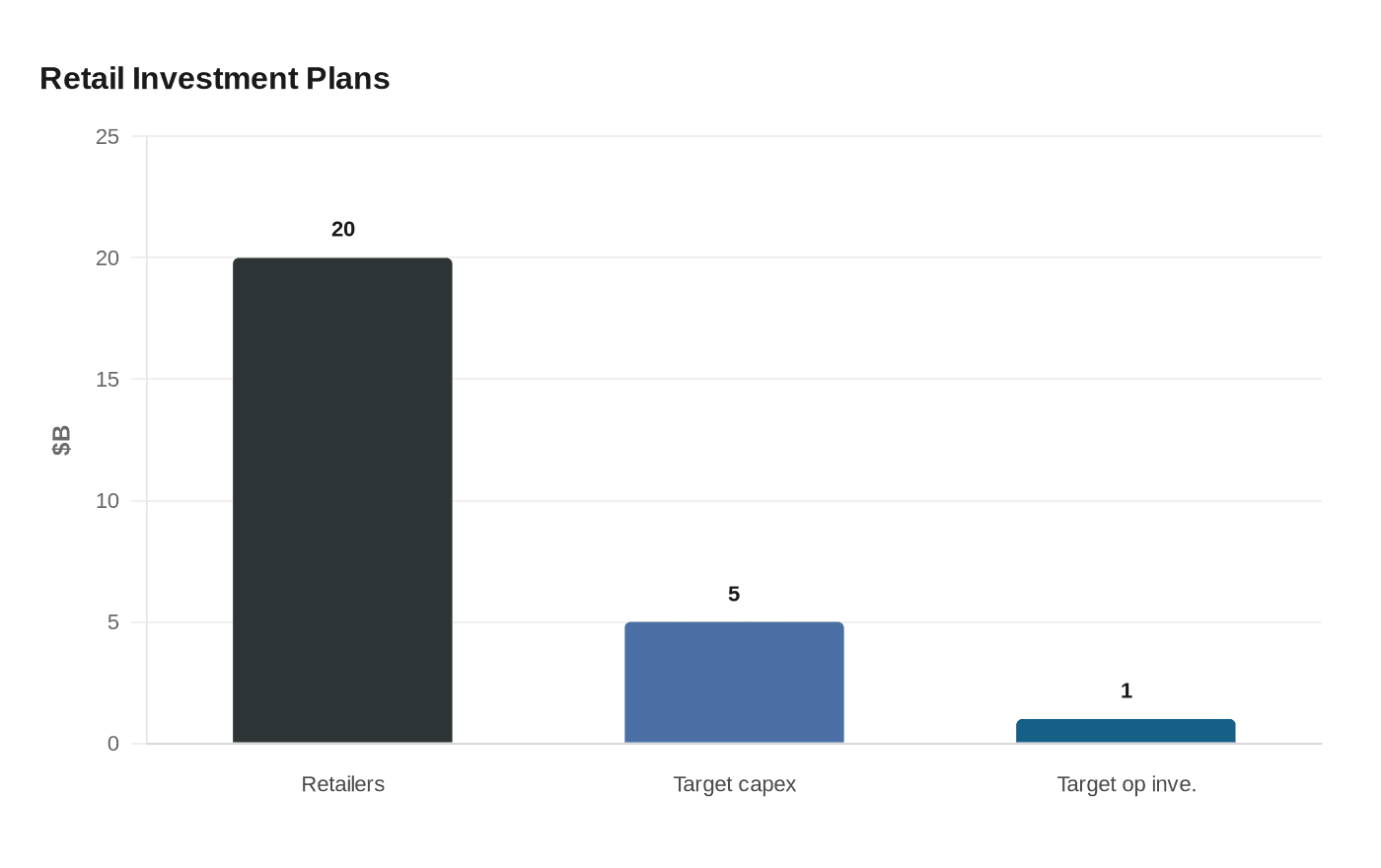
At home, corporate America is making a very different bet on presence. The largest U.S. retailers are expected to spend about $20 billion this decade remodeling stores, even as online shopping keeps growing. Walmart, Target and Dollar General are among the chains treating stores less as static sales floors and more as logistics hubs, pickup points and brand centers.
Walmart is the biggest driver of the spending. The company said on April 16 that it plans more than 650 store remodels in 2026 and about 20 new store openings in 2026 and early 2027, building on a 2024 pledge to open or convert more than 150 locations. Target said on March 3 that it will raise 2026 capital spending to about $5 billion and add another $1 billion in operating investment, with plans that include new stores, remodels, refreshed floor plans and displays, more payroll and training, and new technology, including AI.
The retail shift reflects a broader reversal from the era when brick-and-mortar stores were expected to fade. Instead, they are being rebuilt as part of the fulfillment network itself, a sign that in both security policy and commerce, physical presence still carries weight.
This article was produced by Prism’s automated news system from verified source data, official records, and press releases, then run through automated quality and moderation checks before publishing. The system is built and supervised by the people who set the standards it runs under. Read our full AI policy.
Did this article answer your question?

%3Amax_bytes(150000)%3Astrip_icc()%2FCertificate-of-deposit-2301f2164ceb4e91b100cb92aa6f868a.jpg&w=1920&q=75)
