U.S. National Debt Hits $39 Trillion as Iran War Costs Pile On
The national debt surged $2.8 trillion since Trump's inauguration, crossing $39T as Iran war costs top $12B and economists warn of collapse.
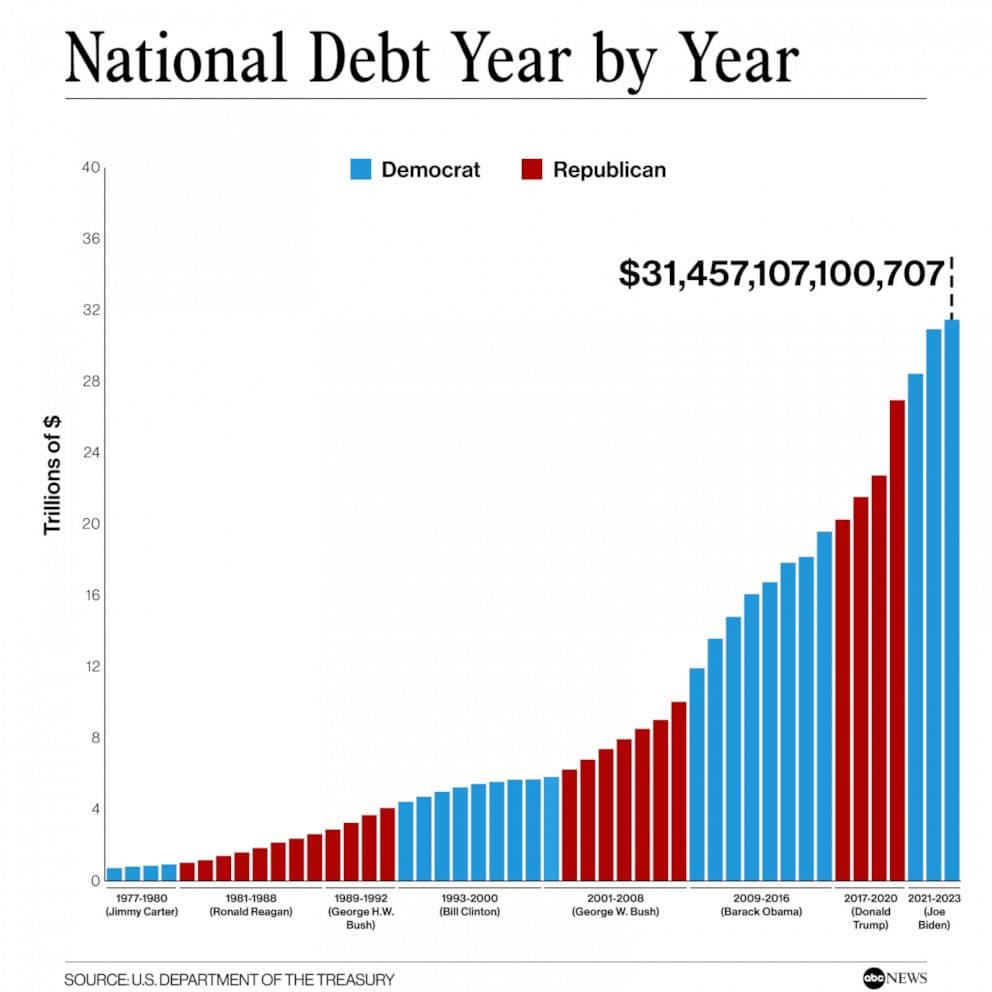
The national debt surpassed $39 trillion this week, crossing the grim milestone just weeks into the U.S.-Israeli war in Iran and adding to a $2.8 trillion surge in federal borrowing since President Trump's inauguration last year.
White House economic adviser Kevin Hassett estimated the Iran conflict had already cost the U.S. more than $12 billion. That figure, while a fraction of the total debt increase, represents just the opening tab of a war with no defined end date, compounding a fiscal trajectory that budget experts describe with unusual unanimity as unsustainable.
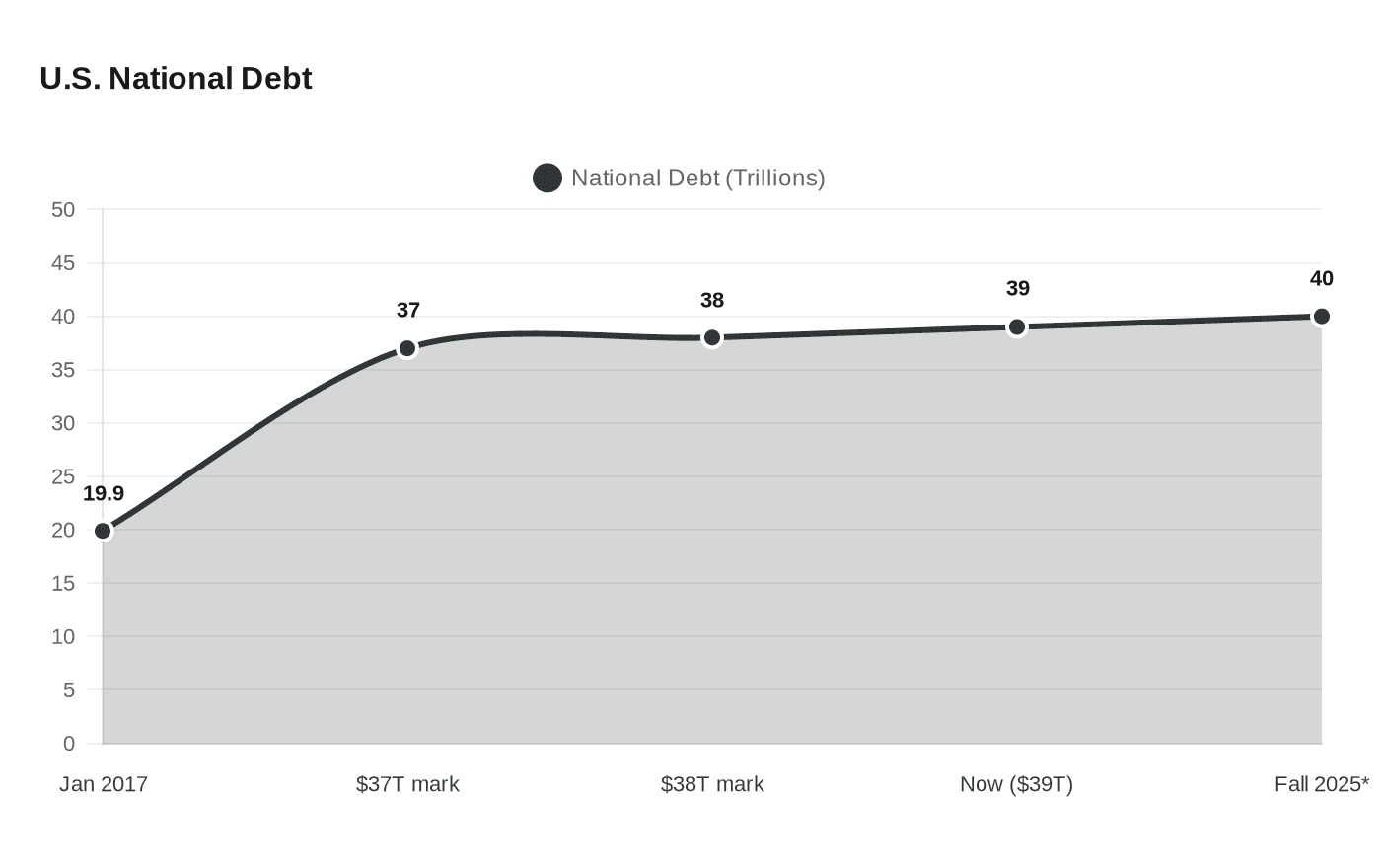
The $39 trillion milestone arrived less than five months after the debt first crossed $38 trillion, and just two months before that it had cleared $37 trillion. The pace has alarmed fiscal watchdogs. "At the current growth rate, we will hit a staggering $40 trillion in national debt before this fall's elections," said Michael Peterson, chair and CEO of the Peter G. Peterson Foundation. "Borrowing trillion after trillion at this rapid pace with no plan in place is the definition of unsustainable."
The gross national debt has roughly doubled since Trump first took office in January 2017, when it stood at $19.9 trillion. The Peterson Foundation now describes America's fiscal position as the worst among peer nations.

The drivers are familiar and bipartisan: pandemic-era spending that accelerated the debt's trajectory years ahead of projections, successive rounds of tax cuts, expanded defense spending, and now war costs. The Congressional Budget Office had predicted in early 2020 that the investor-held portion of the debt would not reach 100 percent of GDP until 2030; it crossed that threshold by the end of fiscal year 2020. Including obligations to government trust funds, total debt now stands at roughly 130 percent of GDP.
"Not since World War II has the country seen deficits during times of low unemployment that are as large as those that we project," CBO director Phillip Swagel said in January 2020, "nor, in the past century, has it experienced large deficits for as long as we project."
The consequences are not abstract. The Government Accountability Office has outlined the household-level effects of sustained high debt: higher borrowing costs for mortgages and car loans, lower wages as businesses have less capital to invest, and more expensive goods and services across the economy.
The White House pushed back on the overall narrative. Spokesman Kush Desai pointed to a decline in the federal deficit during Trump's first year back in office, though he offered no specific figures. The administration simultaneously passed a major tax law, boosted defense spending, and expanded immigration enforcement, each carrying its own price tag.
Peterson put the longer arc in stark terms: "The harder news is that in the 10 years since the last major political promise to fix this, the debt has only grown."
Trump's next budget proposal is expected to be released in the coming days, setting up a political confrontation over spending and revenue at precisely the moment the debt counter is pressing toward $40 trillion. The Federal Reserve, for its part, expects only one interest rate cut this year and judges the Iran war's direct macroeconomic effect as limited, though rising debt service costs complicate any path toward cheaper borrowing for American households.
Know something we missed? Have a correction or additional information?
Submit a Tip

