U.S. officials say Russia gave Iran targeting data on American forces
Three U.S. officials say Russia provided Iran locations of U.S. warships and aircraft, raising escalation and policy risks; the extent of the support remains unclear.
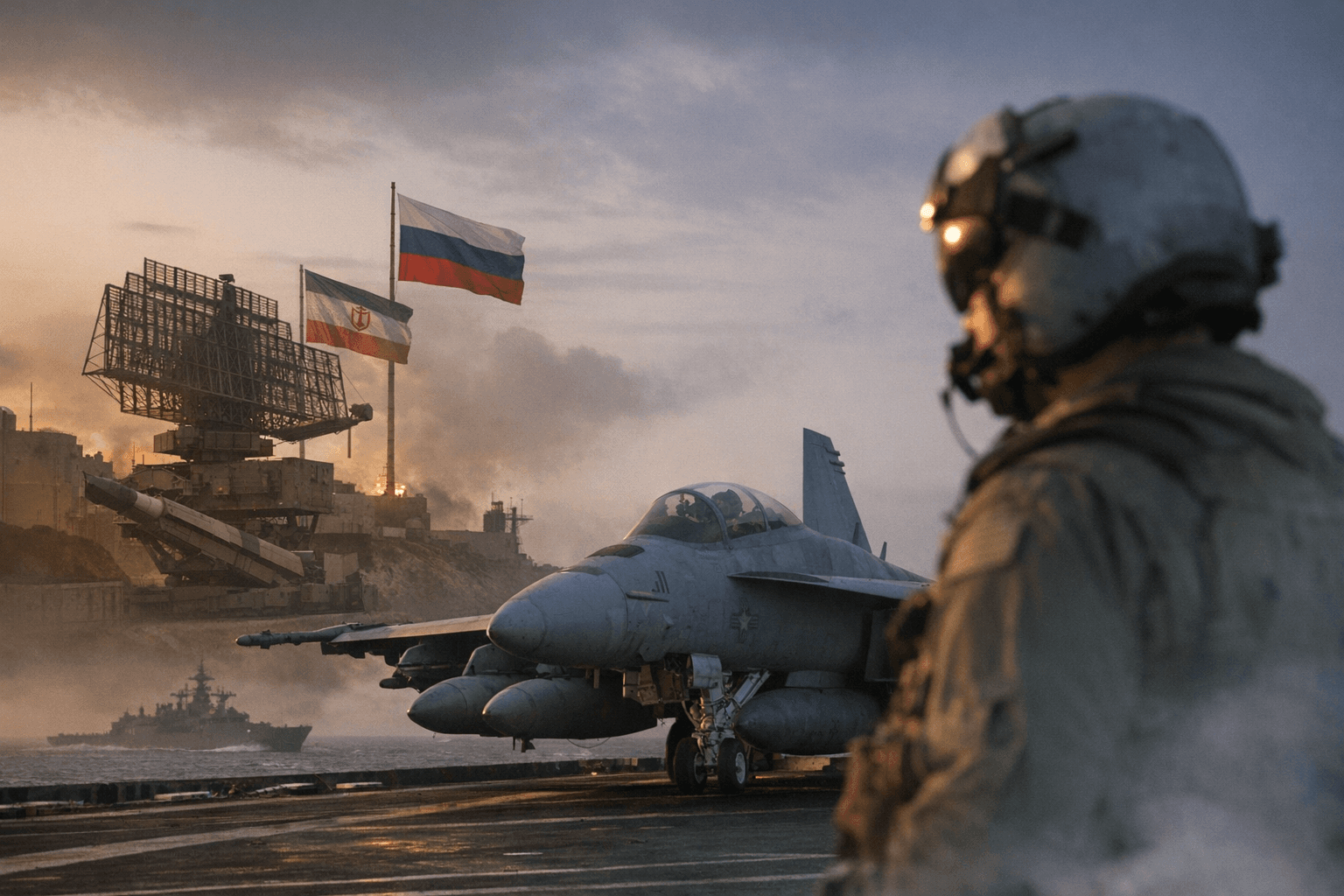
Three U.S. officials familiar with classified intelligence told reporters that Russia has provided Iran with targeting information that includes the locations of American warships and aircraft operating in the Middle East. One official characterized the assistance as “pretty comprehensive,” an account that, if confirmed, would mark a major change in Moscow’s posture and raise the stakes for U.S. military operations in the region.
U.S. officials say the sharing began as hostilities intensified last weekend after strikes on Iranian military and nuclear facilities. The precise nature of the intelligence transfer, whether real-time signals intelligence, imagery, or location data drawn from prior intercepts, has not been detailed publicly. Officials emphasized that the scale and duration of the alleged support remain unclear and declined to provide operational specifics.
The alleged transfers come amid a sharp uptick in violence. The U.S. military has identified six reserve soldiers killed in Kuwait after a drone struck a U.S. facility at Port Shuaiba, and Iranian forces have carried out retaliatory strikes in several theaters. A White House spokeswoman said the United States is inflicting heavy damage on Iran’s military capabilities and proxies, saying, “The Iranian regime is being absolutely crushed. Their ballistic missile retaliation is decreasing every day, their navy is being wiped out, their production capacity is being demolished, and proxies are hardly putting up a fight.” The White House did not directly confirm whether Russia had supplied Tehran with targeting data.
Moscow offered noncommittal public responses. The Kremlin said Russia was “in dialogue with representatives of Iran’s leadership” and declined to provide details when asked whether it was helping Tehran. Russian foreign minister Sergei Lavrov urged hostilities to stop and said Russia was ready to support peaceful, compromise solutions based on international law. The Russian embassy in Washington did not respond to requests for comment about the specific allegation.
U.S. defense officials are signaling a stepped-up military posture. One senior U.S. defense official, speaking publicly about force posture, warned that “the amount of firepower over Iran and over Tehran is about to surge dramatically,” adding that reinforcement would mean “more fighter squadrons, it’s more capabilities, it’s more defensive capabilities, and it’s more bomber pulses more frequently.” The Pentagon has so far declined to detail any specific intelligence linking Russian systems to Iranian strikes.
Analysts say confirmed Russian intelligence sharing would represent a meaningful escalation: it would effectively bring another major U.S. adversary into indirect participation in the conflict and could complicate diplomatic efforts to deescalate. The prospect also carries immediate market and policy consequences. Defense stocks typically rally and risk premiums on regional shipping and insurance rise when Great Power involvement increases; energy markets are likewise sensitive to disruptions in Strait of Hormuz traffic and broader geopolitical risk, although specific market moves have not been tied publicly to this report.
Reporting agencies have flagged a separate, unverified claim circulating that Iran’s supreme leader was killed in recent strikes; that assertion is inconsistent with other information and remains unconfirmed. Major outstanding questions include the exact technical mechanism of any transfer, the time window of sharing, and whether Iranian operational advantage has materially improved. U.S. officials say they are continuing to seek confirmation and are engaging allies on potential diplomatic and defensive responses.
Know something we missed? Have a correction or additional information?
Submit a Tip