U.S. plans Ebola quarantine center in Kenya, bars patients from entry
Washington moved to keep Ebola patients out of the U.S. while planning a quarantine center in Kenya, raising questions over whether it was medical containment or hardline symbolism.
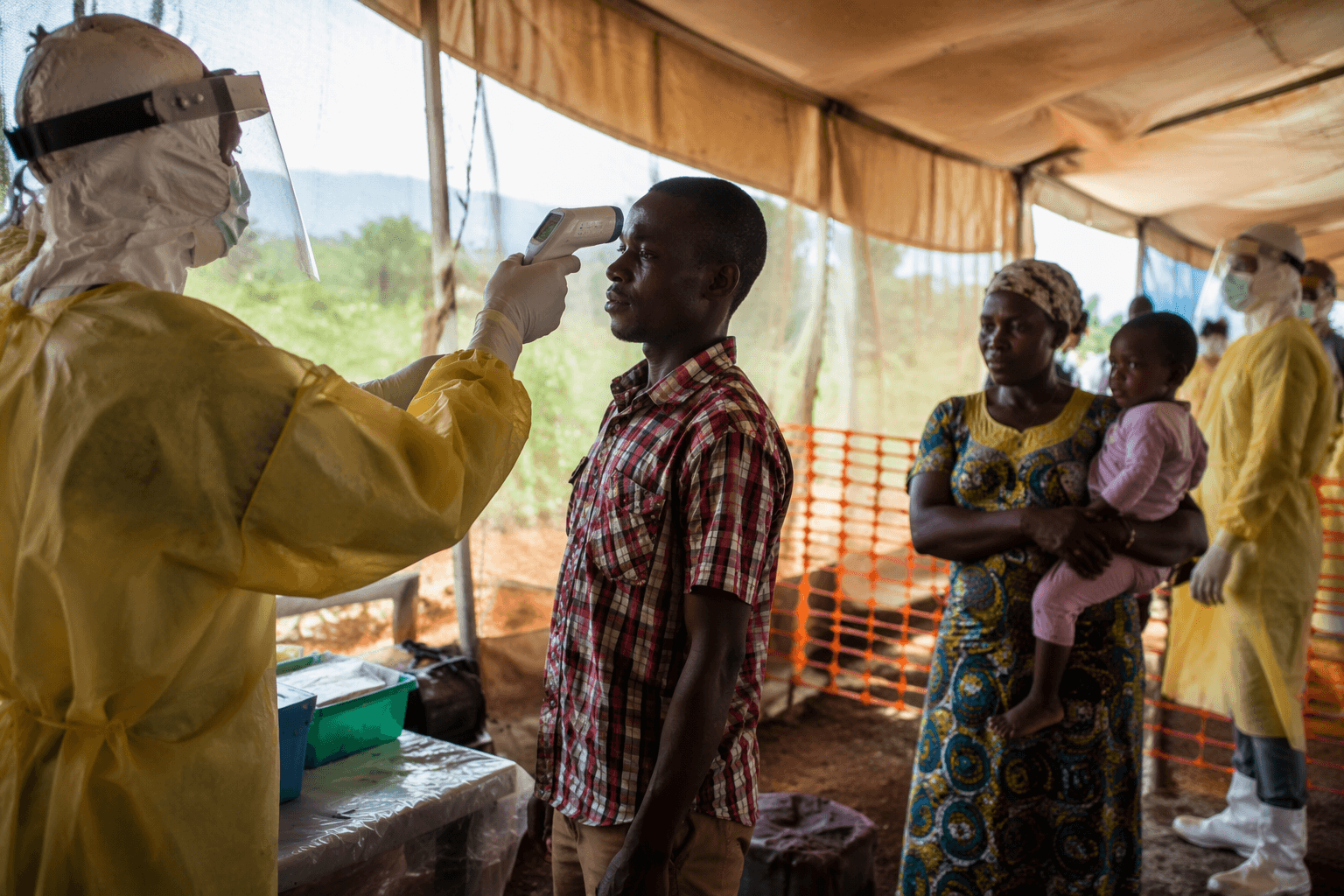
The Trump administration moved to block Ebola patients from entering the United States while advancing a plan for a quarantine and treatment center in Kenya for Americans exposed overseas, a shift that would keep suspected cases far from U.S. soil and test how much of the response is public health and how much is politics.
Secretary of State Marco Rubio said no Ebola patients would be allowed into the United States as the administration faced a new outbreak in the Democratic Republic of the Congo and Uganda caused by the Bundibugyo strain. The World Health Organization declared that outbreak a public health emergency of international concern on May 17, and the Centers for Disease Control and Prevention said a day later that it had begun enhanced travel screening, entry restrictions and other measures to prevent Ebola virus disease from entering the country. The CDC said no U.S. cases had been linked to the 2026 outbreak and that the risk to the American public remained low.
The outbreak began in early May in Ituri Province, after reports of an unknown illness with high mortality. WHO said the strain involved has no vaccine or specific treatment, though candidates are being studied, and said the DRC outbreak was the country’s 17th Ebola outbreak since 1976. That vulnerability made the Kenya proposal more than a diplomatic footnote: the administration said a facility staffed by U.S. Public Health Service officers would let Americans exposed abroad receive quarantine and care without an hourslong medical evacuation back to the United States.
The plan marks a break from the 2014 to 2016 West Africa outbreak, when Americans who were exposed to or infected with Ebola were typically flown home and treated in specialized isolation units such as Emory University Hospital in Atlanta and the Nebraska Biocontainment Unit. That outbreak became the largest Ebola outbreak to date, with more than 28,600 cases reported, and by April 2015, 11 Ebola patients had been treated in the United States. The United States also deployed about 2,500 military personnel to Liberia to help build Ebola treatment units, train health workers and provide laboratory support.
Kenya’s approval has not been confirmed. Kenyan officials were still verifying reports of the proposed facility, and the arrangement remained under discussion. The outcome will shape whether the new policy becomes a practical containment tool for Americans abroad or a visible break from the U.S. playbook that has long combined isolation, evacuation and overseas assistance.
This article was produced by Prism’s automated news system from verified source data, official records, and press releases, then run through automated quality and moderation checks before publishing. The system is built and supervised by the people who set the standards it runs under. Read our full AI policy.
Did this article answer your question?