U.S. Pledges $45 Million to Stabilize Thailand-Cambodia Border Areas
The United States announced a $45 million assistance package on Jan. 9, 2026, intended to help stabilize communities along the Thailand-Cambodia border after a year of clashes. The move underscored Washington's renewed engagement in Southeast Asia and aims to reduce the risk of renewed hostilities while supporting humanitarian needs and local recovery.
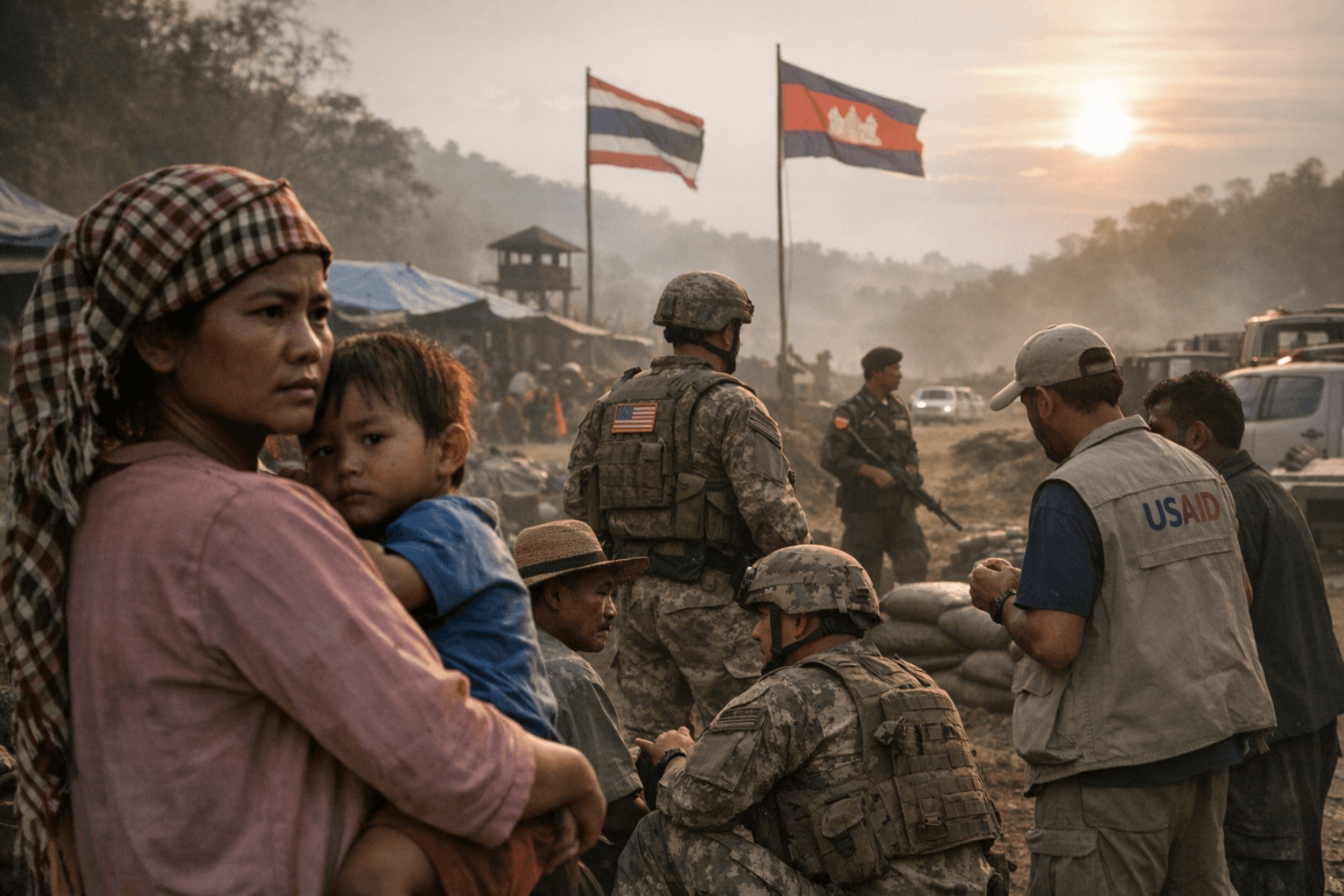
On Jan. 9, 2026, the United States announced a $45 million assistance package for Thailand and Cambodia to help stabilize areas affected by border clashes in 2025. Assistant Secretary of State for East Asian and Pacific Affairs Michael DeSombre delivered the announcement from Bangkok, framing the funding as part of a broader U.S. effort to reduce tensions and assist communities caught between competing security claims.
Officials in Washington said the aid is intended to strengthen local resilience in border regions that experienced outbreaks of violence last year, where military skirmishes disrupted civilian life and raised concerns about the spillover of instability. The announcement comes as both Hanoi and Bangkok work with regional partners and international organizations to de-escalate lingering disputes and address humanitarian consequences such as displacement and damaged infrastructure.
The U.S. package signals a pragmatic diplomacy that blends security concerns with development assistance. In Phnom Penh and Bangkok, governments will face the twin tasks of managing sensitive domestic politics tied to national territory while engaging with outside support that must be carefully balanced to avoid being perceived as partisan. For Washington, the assistance advances a strategy of visible involvement in Southeast Asia that emphasizes conflict prevention and stability rather than force projection.
Regional diplomats welcomed the emphasis on stabilization but stressed the need for coordination with ASEAN mechanisms to ensure local ownership and regional legitimacy. Southeast Asian capitals typically prefer disputes between neighbors to be handled through quiet diplomacy and multilateral channels, and any U.S. effort that complements those processes is likely to be better received than one seen as circumventing regional norms.
The announcement also has implications for great power competition in the region. Beijing has sought to deepen ties with both Thailand and Cambodia through infrastructure investment and security cooperation, and U.S. engagement on border stabilization may be read in capitals across Asia as an attempt to offer an alternative model of partnership focused on resilience and governance. Analysts said the timing could help prevent an escalation that would otherwise open space for external actors to consolidate influence through security assistance.
Economic recovery in affected border communities will be a key test of the aid's effectiveness. Markets, cross-border trade and daily life along border towns depend on predictability; rebuilding trust between communities, repairing infrastructure and restoring livelihoods are often prerequisites for durable peace. International legal questions around standing border claims and historical grievances will remain politically delicate and require sustained diplomatic attention beyond initial stabilization funds.
As implementation details are worked out between U.S. agencies, Thai and Cambodian authorities, and multilateral partners, the success of the effort will hinge on transparent delivery, sensitivity to local dynamics and clear channels for monitoring outcomes. The announcement reflects an international investment not only in reducing the immediate risk of renewed clashes but in reinforcing the norms and institutions that underpin long-term stability in Southeast Asia.
This article was produced by Prism’s automated news system from verified source data, official records, and press releases, then run through automated quality and moderation checks before publishing. The system is built and supervised by the people who set the standards it runs under. Read our full AI policy.
Did this article answer your question?