U.S. prisoners’ safety imperiled as strikes and prison disruptions escalate in Iran
A U.N. toll of 787 killed and reports from Evin Prison raise urgent questions about the safety of U.S. detainees; rights groups call for diplomatic pressure and immediate protections.
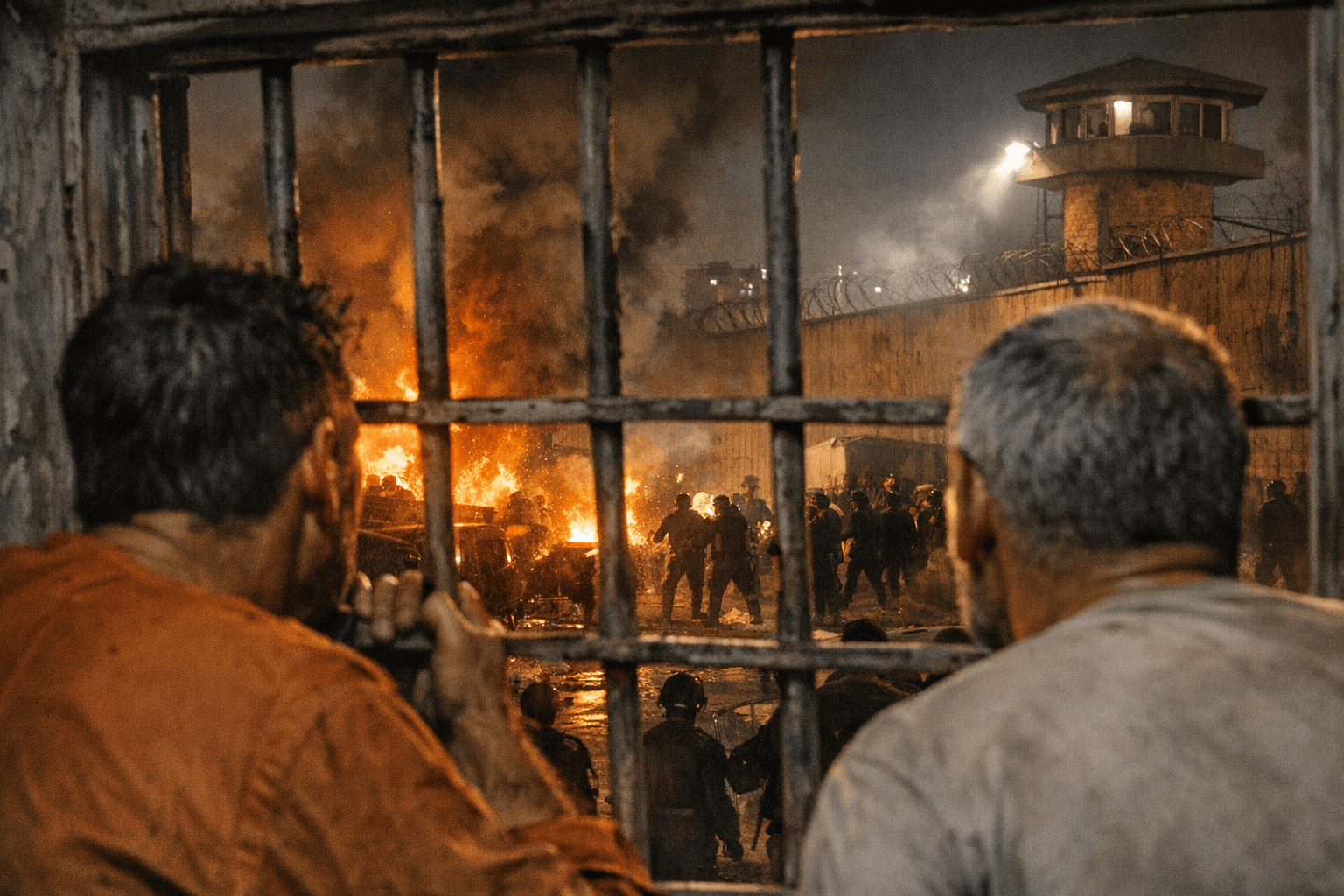
A lawyer for an American man held in a notorious Iranian prison warned U.S. and Israeli forces to "exercise extreme caution," underscoring a stark dilemma: military operations that governments say are aimed at militants risk killing or further imperiling prisoners, while conditions inside Iran’s jails are already deteriorating amid renewed strikes and security measures.
The U.N. Office of the High Commissioner for Human Rights said "at least 787 people had been killed in Iran in the strikes," a figure used by rights monitors to argue the conflict has created acute humanitarian and legal risks for detainees. Last year’s June 23 airstrike on parts of Evin Prison is central to those fears. Iran’s judiciary said at the time 71 people were killed in that incident, including guards, staff, inmates, visiting relatives and nearby residents, and human rights organizations say the damage left parts of the complex compromised.
First-hand accounts and prison letters paint a picture of shortages and isolation. Reza Khandan, writing from Evin Prison, said responsibility for prison safety lies with "Iran’s judiciary and the prison organization" and warned that "many services inside prisons had been disrupted" and that thousands of detainees faced "the risk of ongoing bombardment." Families contacted by U.N. monitors reported that food distribution and cooking supplies in the women’s ward and Ward 7 "had been halted, leaving inmates with only small quantities of bread," and that the prison store "has also been closed since the attacks began, preventing detainees from purchasing additional food." Prisoners who managed to contact relatives reported they had access only to "dry bread and water."
Human-rights groups are warning that the combination of bombardment, communications blackouts and internal security crackdowns has transformed prisons into high-risk zones. The Center for Human Rights in Iran said it had "grave concerns for the safety and condition of political prisoners and detainees as military attacks on Iranian cities intensify," and accused authorities of failing to evacuate detainees during prior strikes, alleging that "some prisoners were violently transferred, some injured and subjected to abusive treatment." Those claims remain contested but the allegation itself raises immediate legal and humanitarian questions about adherence to obligations under international human-rights and humanitarian law.
Parallel reporting has amplified fears that transfers may be used coercively. En Radiozamaneh has reported circulating videos and claims that detainees were being moved to Basij bases and other security sites and warned that prisoners may be used as "human shields." The outlet added, "Whether every instance can be independently verified, the underlying risk is clear: unannounced relocations and blackout conditions dramatically raise the danger of abuse." Activists and former prisoners like Atena Daemi have framed detainees as the "most defenseless" group, caught between the risk of external strikes and internal retaliation as security tightens.
Those conditions have prompted coordinated calls for action. CHRI urged governments and international organizations "to urgently use every available diplomatic and political channel to press Iranian authorities to release all political prisoners and detainees and to ensure that no executions are carried out during this period of conflict." The U.N. spokesman also urged Iranian authorities to guarantee fundamental freedoms in line with international human rights law and to restore internet access, warning that communication outages could limit access to vital safety information during wartime.
The immediate policy question for Washington and allied capitals is which levers to use to mitigate risk to detainees without exacerbating their danger. Families, lawyers and rights groups call for transparency on detainee locations and independent verification of any transfers, prompt humanitarian access, and urgent diplomatic engagement to secure protections or releases. With at least one American known to be detained and others at reported risk, the decisions of foreign ministries and militaries now carry direct consequences for individual lives and for accountability over conditions inside Iran’s prisons.
Know something we missed? Have a correction or additional information?
Submit a Tip

