U.S. progesterone supplies tighten as hormone therapy demand surges
Progesterone capsules are back ordered at major manufacturers as more women seek hormone therapy, forcing some patients to delay or change treatment plans.
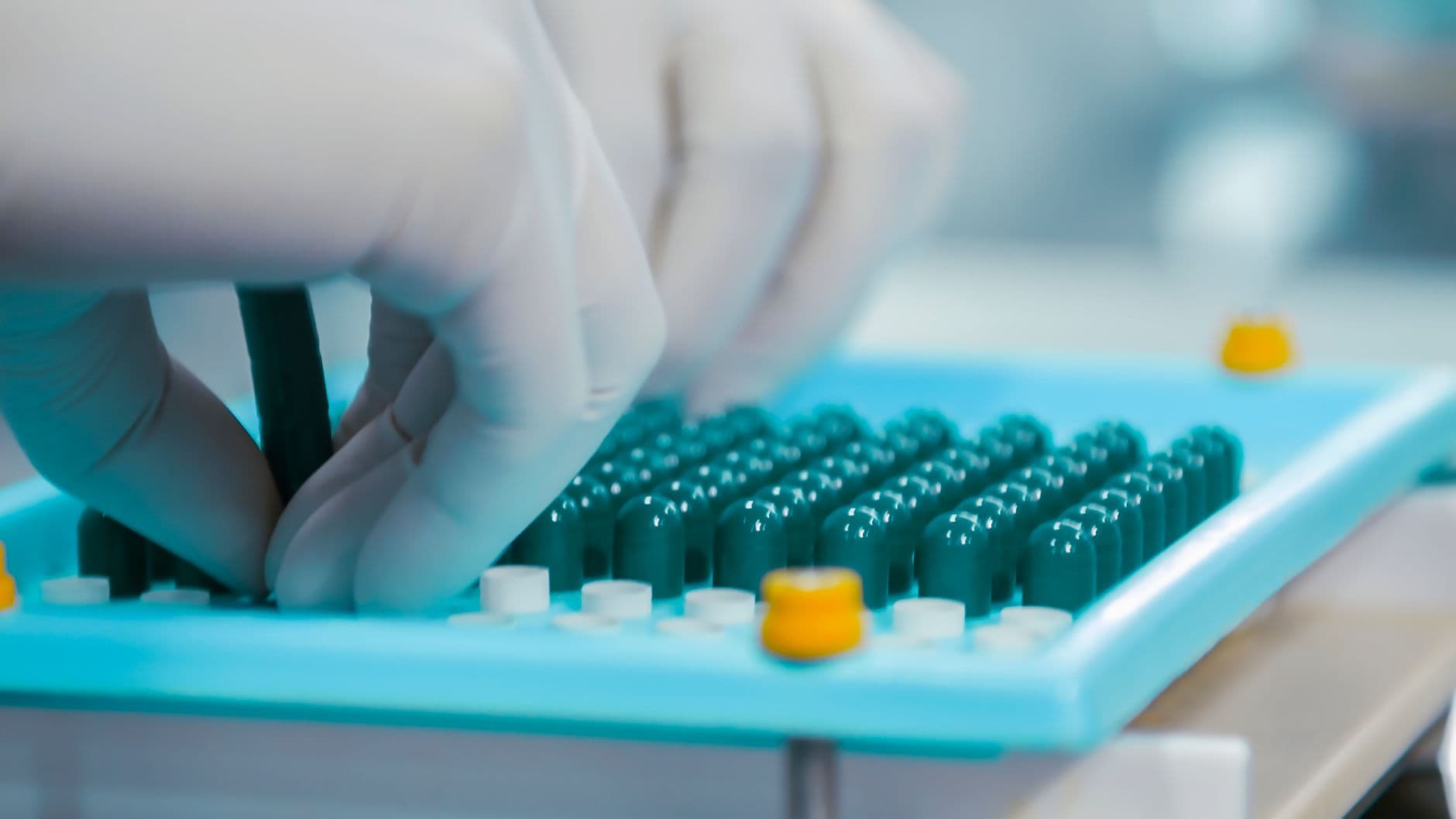
Progesterone, a cornerstone of many menopause and fertility regimens, is getting harder to find just as demand for hormone therapy climbs. Patients, clinicians and pharmacists are reporting intermittent shortages of oral progesterone, a problem that can interrupt symptom relief, delay fertility care and complicate the paired use of estrogen and progesterone that many women need for safe treatment.
The strain arrives after the U.S. Food and Drug Administration approved labeling changes for six menopausal hormone therapy products on Nov. 10, 2025, removing boxed-warning risk statements tied to cardiovascular disease, breast cancer and probable dementia. The Menopause Society said that warning had likely deterred use of low-dose vaginal estrogen and noted that risks are low for younger, healthy women starting hormone therapy closer to the menopause transition. Since then, doctors have become more comfortable prescribing these treatments, while social-media discussion among women’s health and menopause experts has also helped normalize hormone replacement therapy.

That shift has pushed a once-niche medication category into heavier use. Progesterone is commonly prescribed with estrogen to ease hot flashes, mood changes and other menopause symptoms, and it also helps reduce the risk of uterine cancer in women who have a uterus. When supplies tighten, patients may have to switch pharmacies, accept a different strength, or change therapy plans altogether, disruptions that can be especially difficult for people already navigating fertility treatment, menopause symptoms or limited access to specialty care.
The shortage is not abstract. The American Society of Health-System Pharmacists listed progesterone capsules as a current shortage as of May 17, 2026. Amneal’s 100 mg capsules were on back order with no estimated release date. Hikma’s 100 mg and 200 mg capsules were also back ordered, with resupply projected for late June to early July 2026. ASHP also listed currently available oral progesterone products from Virtus and Amneal in specific bottle strengths, but supply remains uneven.
The FDA defines a drug shortage as a period when demand or projected demand in the United States exceeds supply, and it advises patients to talk with a health care provider or pharmacist about alternatives when a drug is listed as in shortage. That guidance matters in menopause care, where treatment decisions are often time-sensitive and where many patients are seeking help in midlife, the age range when menopause typically occurs, between 45 and 55.
The progesterone squeeze also shows how fragile the drug supply chain can be when manufacturing, inventory and prescribing trends change at once. Even as a 2026 analysis found that new U.S. drug shortages fell to the lowest level in nearly 20 years in 2025, ongoing shortages rose slightly in the last quarter of that year. For women trying to stay on therapy, the message is clear: a growing market for menopause care is running into the limits of an already strained pharmaceutical system.
This article was produced by Prism’s automated news system from verified source data, official records, and press releases, then run through automated quality and moderation checks before publishing. The system is built and supervised by the people who set the standards it runs under. Read our full AI policy.
Did this article answer your question?