U.S. proposes 20-year suspension of Iran nuclear activity as talks stall
Washington offered Iran a 20-year freeze on uranium enrichment as talks collapsed after 20 hours, deepening the split with Donald Trump’s maximal demand.
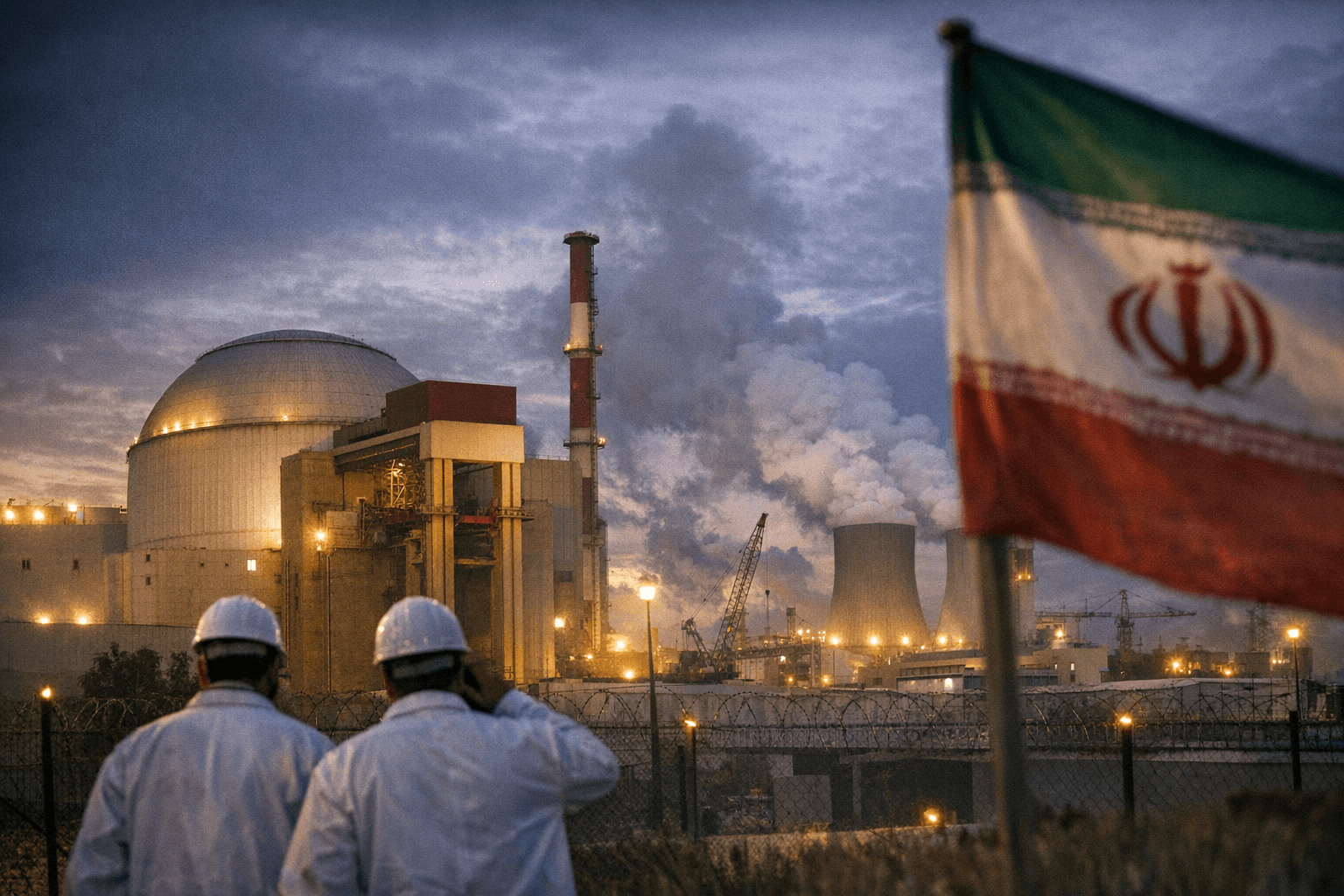
Washington put a 20-year suspension of uranium enrichment on the table in weekend talks in Pakistan, only to leave without an agreement after more than 20 hours of negotiations led by Vice President JD Vance. The proposal cut against President Donald Trump’s public line that there will be “no enrichment of Uranium” in Iran, while the White House has insisted that Iran can never have nuclear weapons.
Tehran rejected any temporary suspension and has said enrichment is non-negotiable, pressing instead for recognition of what it calls its right to civilian nuclear activity and for sanctions relief. That leaves the central question unchanged: whether the United States is trying to build a durable nonproliferation deal or simply freeze the crisis long enough to avoid the next one.
The gap is especially sharp because the 20-year idea looks very different from the 2015 JCPOA, finalized on July 14, 2015, whose restrictions were designed to expire over roughly 10 to 25 years. The United States withdrew from that accord in 2018, and the broader framework under United Nations Security Council Resolution 2231 was built around time-limited restraints, not an indefinite ban. A 20-year pause would be a far harder line than the old deal in one sense, yet it would still amount to a postponement unless it changed the fate of Iran’s existing stockpile.
That stockpile is already substantial. In June 2025, the International Atomic Energy Agency declared Iran in breach of its non-proliferation obligations for the first time in almost 20 years. The agency said Iran had accumulated 440.9 kilograms of uranium enriched up to 60% U-235 by the eve of the June 2025 attacks, and that Iran is the only non-nuclear-weapon state under the Nuclear Non-Proliferation Treaty to have produced and accumulated uranium at that level. The IAEA also said it stopped verification work in Iran when military attacks began in mid-June 2025 and withdrew inspectors for safety reasons.
That history makes the latest proposal look less like a final settlement than a bid to buy time. Reporting in March 2026 indicated that almost half of Iran’s near-bomb-grade uranium was likely stored in a tunnel complex at Isfahan, underscoring that any real deal would have to address not just future enrichment, but the location, accounting and removal of material Iran already has. Without that, a 20-year suspension risks deferring the confrontation rather than resolving it.
This article was produced by Prism’s automated news system from verified source data, official records, and press releases, then run through automated quality and moderation checks before publishing. The system is built and supervised by the people who set the standards it runs under. Read our full AI policy.
Did this article answer your question?