U.S. quietly oversaw secret oil transfers in Gulf of Oman
U.S. forces quietly shepherded oil transfers near the Strait of Hormuz, with at least 116 ships moving between two Gulf of Oman sites under drone and helicopter watch.
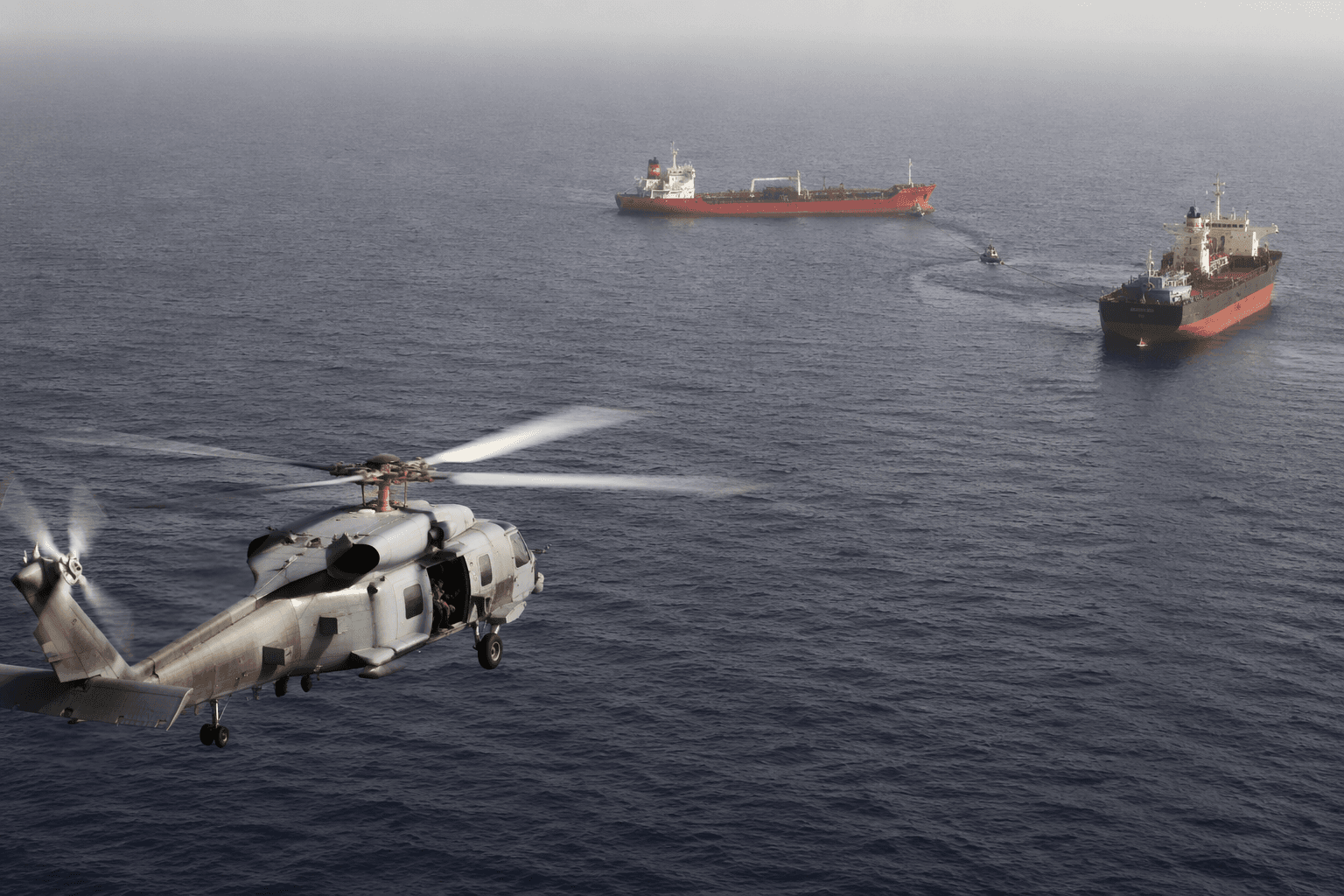
U.S. military aircraft and drones quietly watched over a covert oil-shuttling network at the edge of the Strait of Hormuz, helping keep crude moving through one of the world’s most vulnerable energy corridors. The operation relied on ship-to-ship transfers at two anchor points, off Fujairah in the United Arab Emirates and off Sohar in Oman, using a technique long associated with Iranian sanctions evasion.
At least 116 ships were involved between May 2 and June 11, with satellite images showing 12 pairs of tankers side by side on a Tuesday morning and 17 pairs at peak activity on June 11. The transfers were carried out with aerial and water drones as well as helicopters, a sign that energy logistics in the Gulf had become inseparable from wartime-style surveillance and maritime risk management.
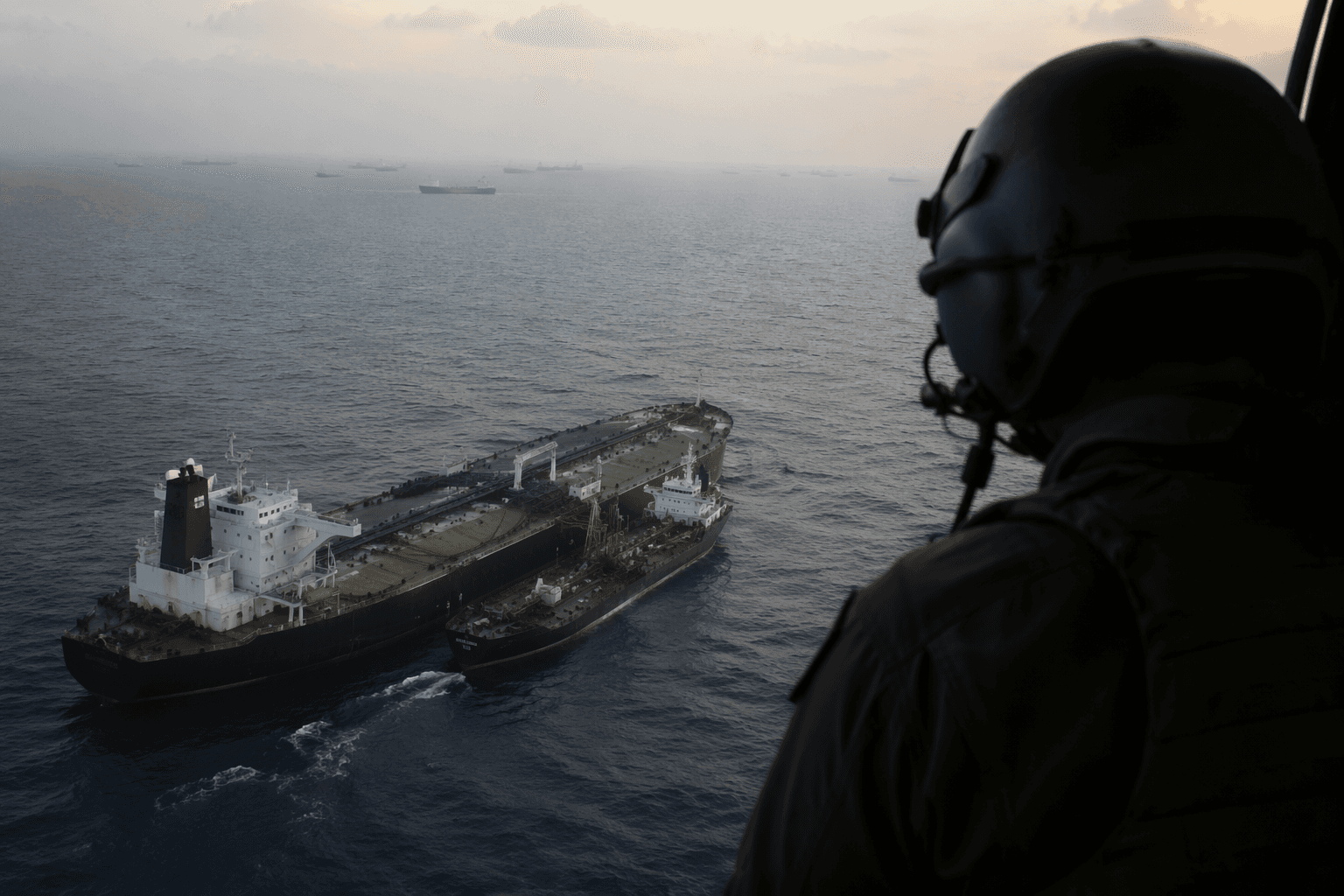
The effort took on sharper political weight after an AH-64 Apache went down near the coast of Oman on June 9. Four sources, including a former U.S. official, said the helicopter had been involved in the mission. U.S. Central Command later said two crew members from the Apache were rescued after it crashed while patrolling regional waters, and said U.S. forces launched self-defense strikes against Iran in response.
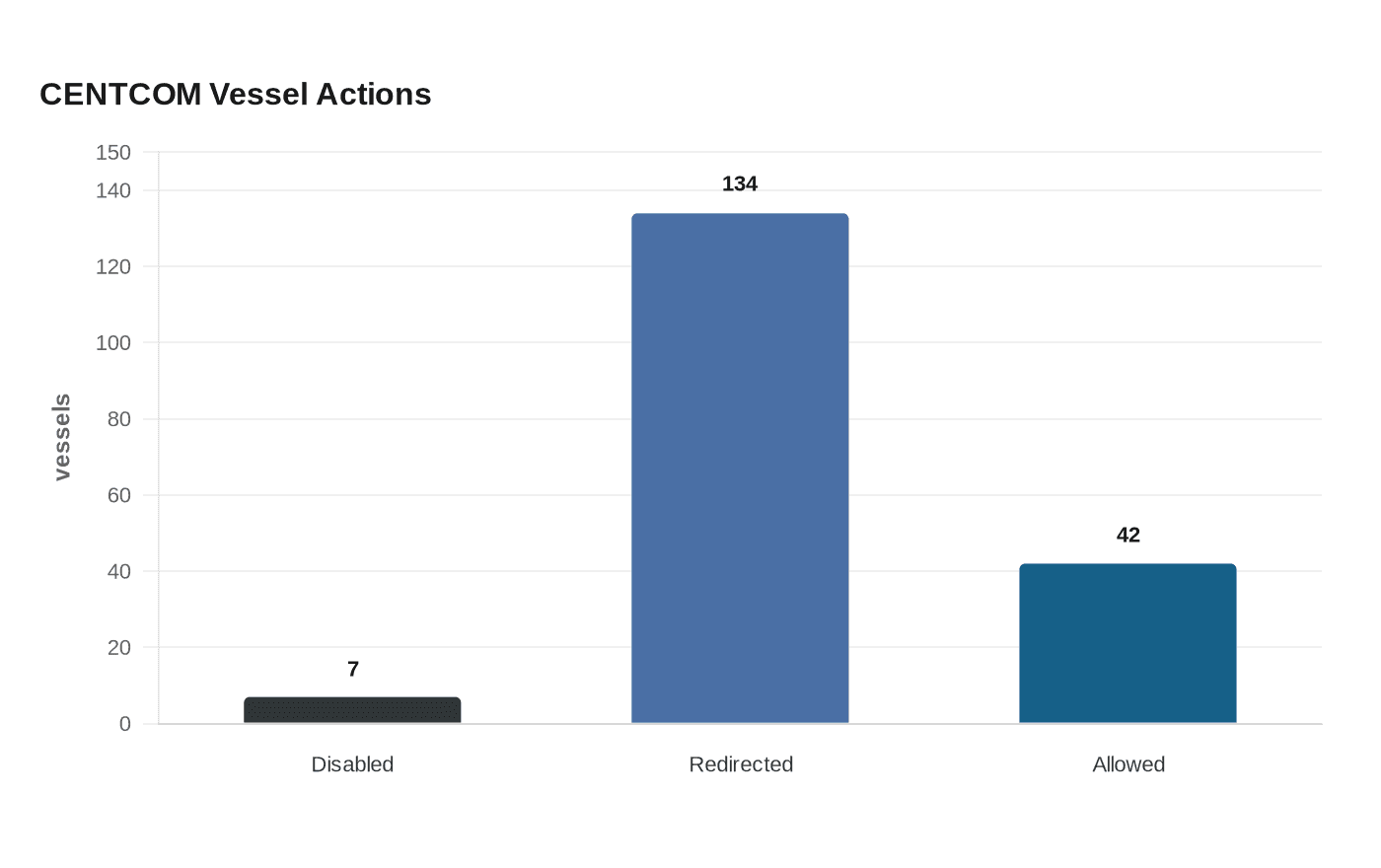
Those strikes came as CENTCOM maintained an aggressive blockade posture in the same waters. On June 8, it said U.S. forces had disabled an unladen oil tanker in the Gulf of Oman after it tried to sail to an Iranian port. Since April 13, CENTCOM said, it had disabled seven non-compliant vessels, redirected 134 ships and allowed 42 humanitarian vessels to pass. A U.S. defense official denied that Central Command forces were taking part in an offshore ship-to-ship oil transfer operation, while the White House referred questions to CENTCOM and the Iranian government did not respond.
The contradiction is stark. Washington has publicly cast maritime enforcement as a matter of interdiction and pressure, yet the same theater appears to have hosted a quiet, military-backed logistics system designed to prevent oil disruption and calm a strategic chokepoint. For oil markets, that helps explain why flows through the Gulf of Oman can remain resilient even as tensions rise around the Strait of Hormuz. For governments, insurers and shippers, it raises a harder question: how much of global petroleum continuity now depends on covert state support, and how far the U.S. is willing to go to keep the energy artery open.
This article was produced by Prism’s automated news system from verified source data, official records, and press releases, then run through automated quality and moderation checks before publishing. The system is built and supervised by the people who set the standards it runs under. Read our full AI policy.
Did this article answer your question?