U.S. redirects Ebola-risk travelers to Dulles for enhanced screening
Flights carrying certain travelers were rerouted to Dulles as federal officials tightened Ebola screening for arrivals from the DRC, Uganda and South Sudan.
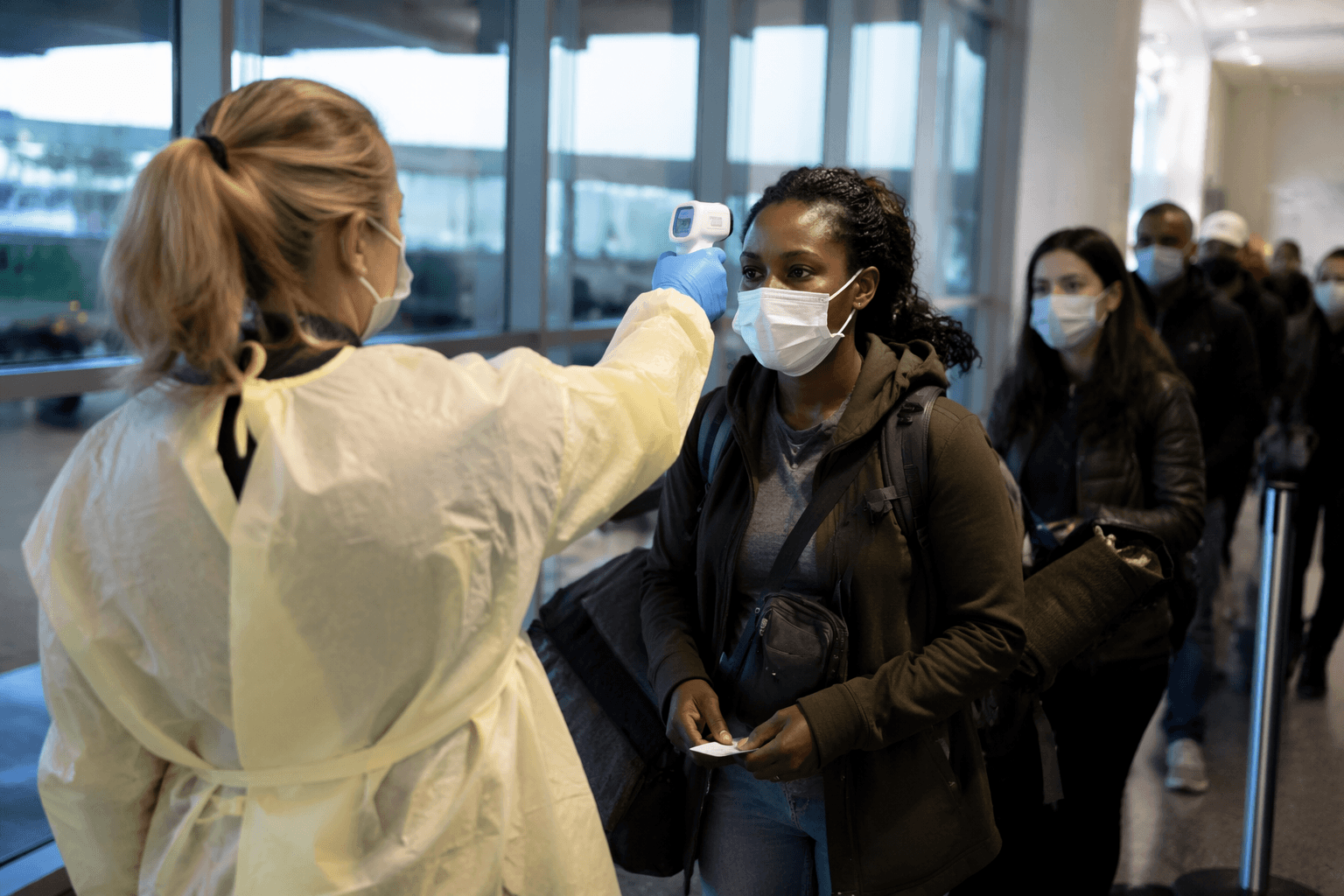
Travelers with recent exposure risk from the Democratic Republic of the Congo, Uganda and South Sudan were funneled to Washington-Dulles International Airport as federal officials tightened Ebola screening and entry controls to keep the virus from reaching the United States. The redirection began at 11:59 p.m. on May 20, 2026, and applies to people who had been in those countries within the previous 21 days.
The policy puts Dulles at the center of the U.S. response, turning one major airport in Virginia into the primary checkpoint for enhanced public health screening. The Centers for Disease Control and Prevention said it will confirm contact information for possible follow-up and conduct additional entry screening for travelers routed there. The federal government framed the step as a containment measure built to concentrate monitoring at a controlled point of entry rather than scatter it across the system.
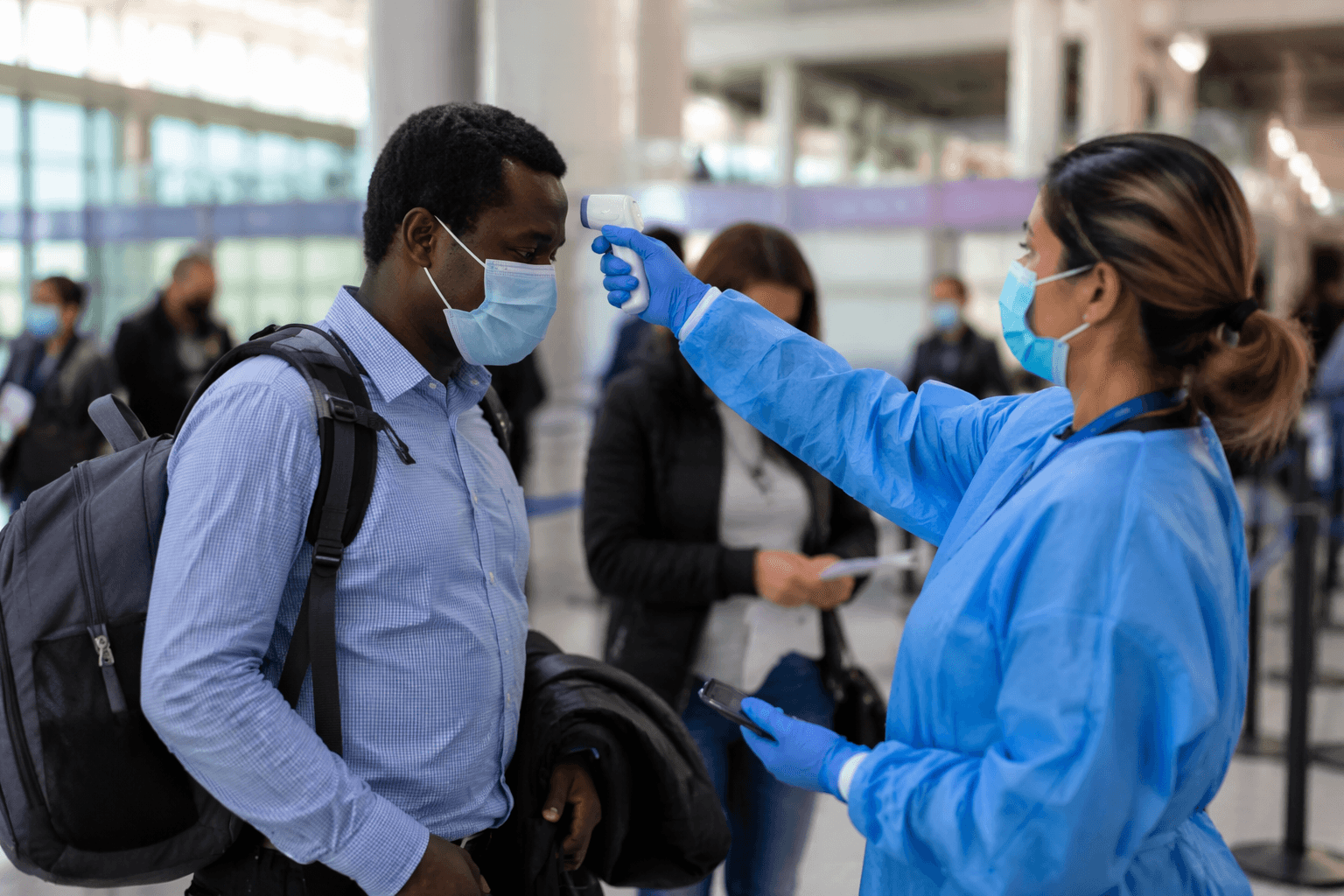
The restrictions do not amount to a blanket ban. U.S. citizens, U.S. nationals and lawful permanent residents who were in the affected countries within the last 21 days are still permitted to enter the country. Airlines were to contact affected travelers and rebook them to Dulles while screening is taking place, a move that shifts the burden of compliance onto carriers and passengers while keeping the border open for returning residents and citizens.
Public health officials have said the risk of Ebola spreading to the United States remains low, but the policy reflects the country’s post-COVID reliance on visible border-health controls when outbreaks overseas threaten domestic confidence. As of May 20, the Ebola Bundibugyo outbreak in the Democratic Republic of the Congo had been reported in 11 health zones in Ituri Province and Nord-Kivu Province. On May 17, an American exposed while caring for patients in the DRC tested positive for Ebola Bundibugyo disease and was transported to Germany for treatment and care.
The Dulles routing echoes the 2014 Ebola response, when the Department of Homeland Security and the CDC imposed enhanced airport screening for travelers from Ebola-affected countries and routed arrivals through selected U.S. airports. Those five airports handled more than 94% of such travelers, a precedent that shows why officials continue to favor centralized screening when speed, logistics and public reassurance all matter at once.
Know something we missed? Have a correction or additional information?
Submit a Tip