U.S. regulator pauses review of Union Pacific-Norfolk Southern merger
The Surface Transportation Board put Union Pacific’s $85 billion Norfolk Southern deal on hold, pressing for more detail and rattling investors.

The U.S. Surface Transportation Board stopped short of rejecting Union Pacific’s $85 billion bid for Norfolk Southern, but its decision to hold the case in abeyance turned the biggest railroad merger ever attempted in the United States into a stress test of how far regulators are willing to go before approving a coast-to-coast freight giant. The board accepted the revised application for consideration on May 28, 2026, yet ordered the railroads to supply supplemental information by July 27 and froze the environmental review while it waits for clearer answers.
The board said the revised filing was complete for procedural purposes, but several parts remained unclear or underdeveloped and needed more detail before a full merits review could begin. That came after the original application, filed on Dec. 19, 2025, was found incomplete on Jan. 16 because it lacked required projected market shares and certain merger-agreement documents and schedules. Union Pacific and Norfolk Southern had announced their agreement on July 29, 2025, after the board received a notice of intent the day before.
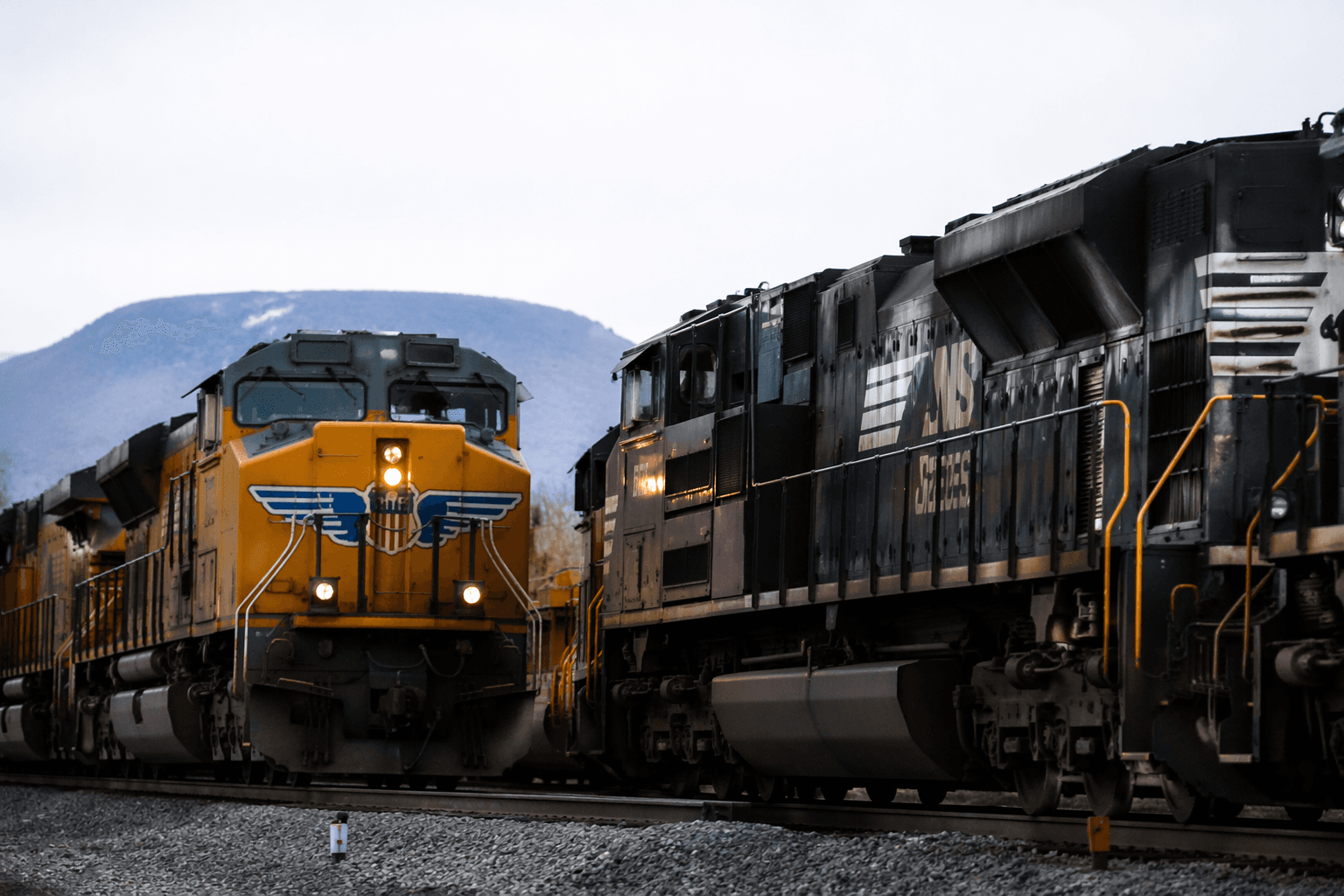
The pause matters because it shows the board is still wrestling with the central question in rail consolidation: whether one more giant carrier would improve service and efficiency or weaken competition, raise freight costs and make shipping less reliable. The STB’s modernized merger rules put competitive enhancement, benefit estimate integrity, service assurance and downstream effects at the center of the review, while also broadening the public-interest inquiry to shortline railroads, ports, employees and communities. In practical terms, the unanswered questions go straight to freight rates, bargaining power for shippers, service standards and labor impact across a network that feeds manufacturers, ports and consumers nationwide.

Union Pacific says the amended application shows the opposite. In its April 30 filing, the company estimated shippers would save $3.5 billion a year and said the combined railroad could remove about 2.1 million trucks from the road. It also said the revised analysis was based on 100% actual traffic data from all six North American Class I railroads, and that it would expand premium intermodal service with seven planned seven-day lanes, including a new route between Northern California and the Southeast. Union Pacific chief executive Jim Vena said the facts show the merger enhances competition and delivers public benefits, while Norfolk Southern chief executive Mark George said single-line service would give shippers one railroad accountable from origin to destination.

Canadian National Railway welcomed the pause and argued that Union Pacific and Norfolk Southern still had not made a credible case under the board’s heightened public-interest standard. CN said the deal could concentrate control over about 40% of U.S. freight rail traffic in one railroad. Investors also recoiled, with shares of both carriers falling sharply as the timetable and odds of approval came into question. The delay could push a final decision into late 2027, extending uncertainty for the railroads and for the businesses that depend on them.
This article was produced by Prism’s automated news system from verified source data, official records, and press releases, then run through automated quality and moderation checks before publishing. The system is built and supervised by the people who set the standards it runs under. Read our full AI policy.
Did this article answer your question?

