US reimposes blockade on Iran as strikes intensify in Gulf
US strikes killed at least seven Iranian troops as Washington restored a naval blockade, jolting a waterway that carries 20 million barrels of oil a day.
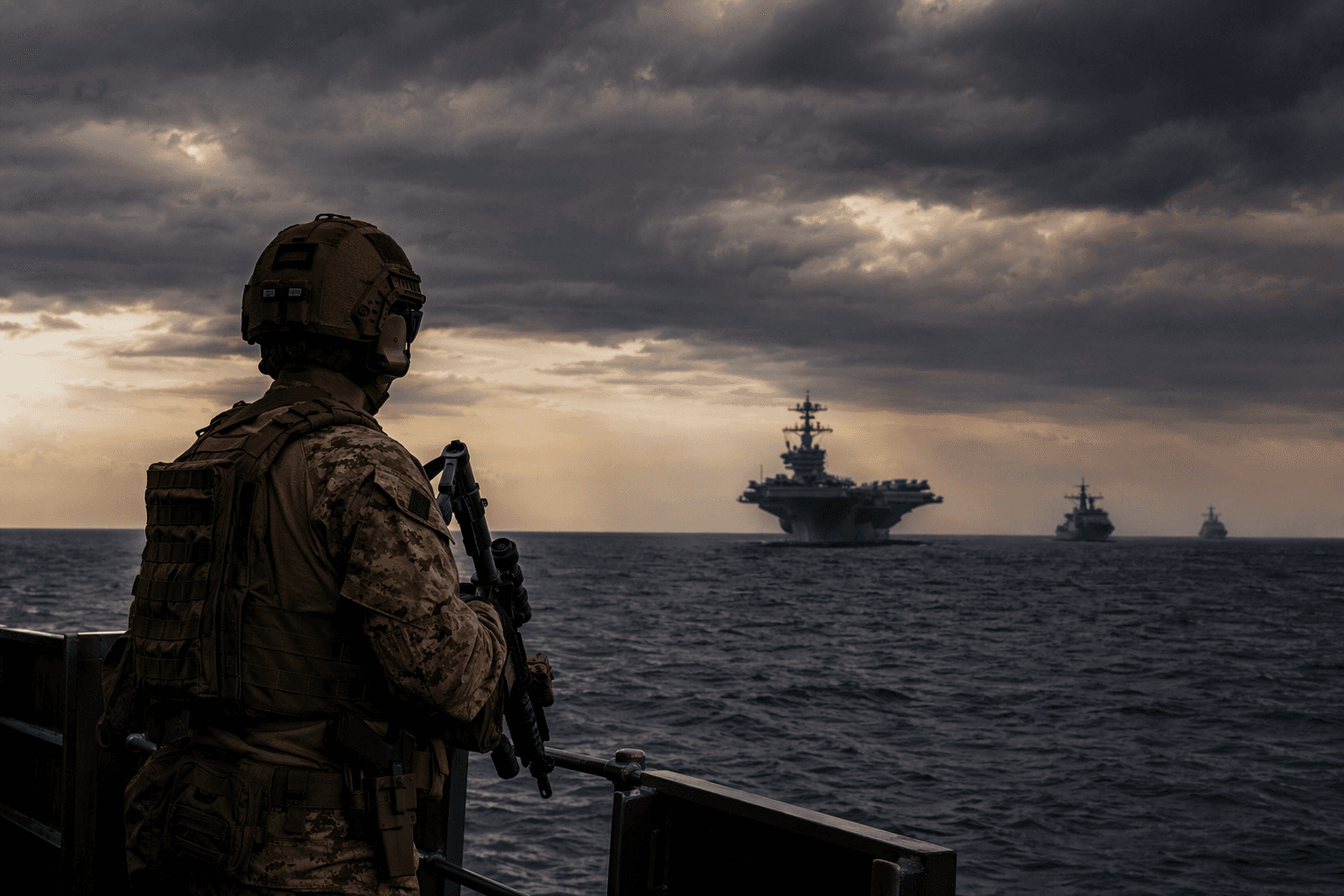
US forces reimposed a naval blockade on Iran and expanded airstrikes across the country after Tehran’s attacks on ships in the Strait of Hormuz. Iranian officials said the latest American strikes hit an army barracks, killed at least seven troops and wounded more than 260 people nationwide.
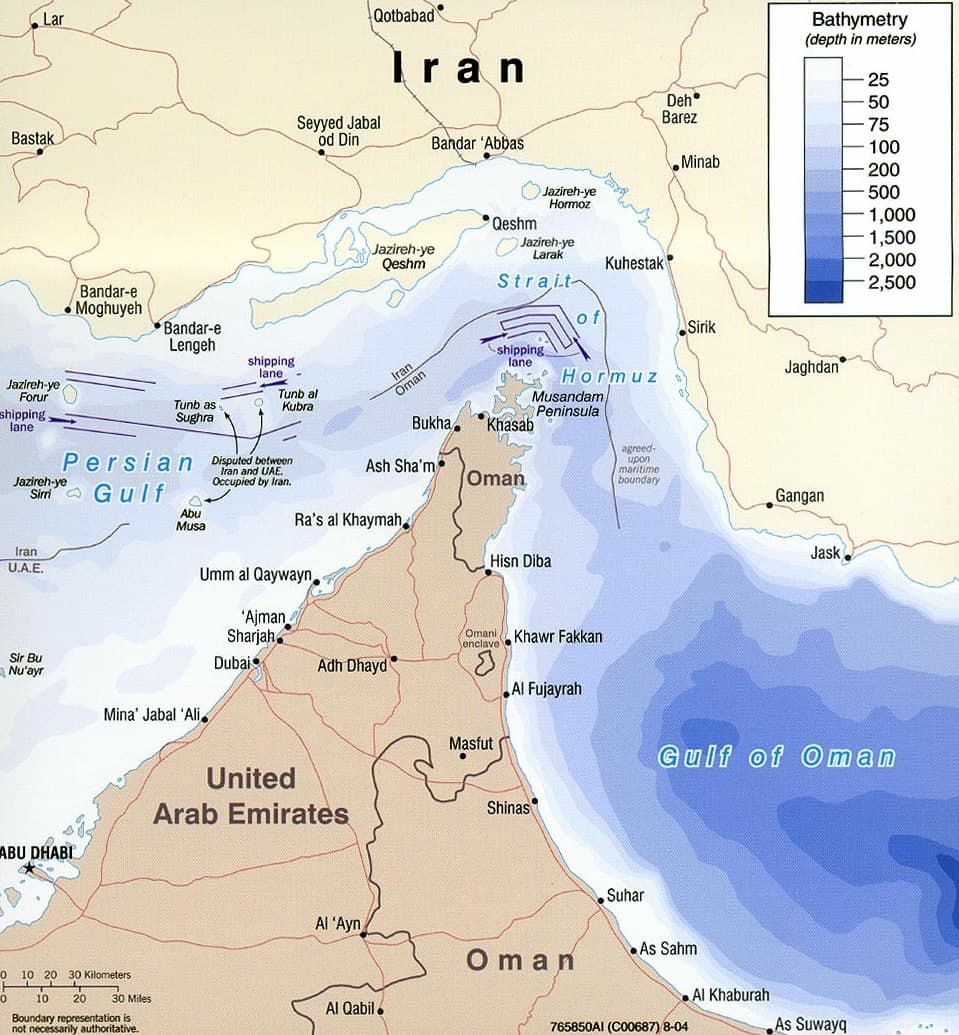
The Strait of Hormuz is only 29 nautical miles wide at its narrowest point, with just 2-mile-wide channels for inbound and outbound traffic. In 2025, an average of 20 million barrels a day of crude oil and petroleum products moved through the strait, about a quarter of the world’s seaborne oil trade. Nearly 15 million barrels a day of crude alone, or almost 34% of global crude oil trade, also crossed the chokepoint, alongside about 93% of Qatar’s liquefied natural gas exports and 96% of the UAE’s.
Iranian forces declared the strait closed starting March 4 and have attacked ships trying to transit it, while Donald Trump has raised the prospect of US action to restore free passage. Shipping traffic increased after a June 18 memorandum of understanding between Washington and Tehran aimed at reopening the waterway, but renewed attacks quickly reversed that stability. The International Energy Agency has estimated that only 3.5 million to 5.5 million barrels a day of pipeline capacity could potentially reroute some crude flows around the strait, leaving most exports exposed.
Renewed attacks on shipping endangered seafarers and prompted calls for maximum restraint and de-escalation from the United Nations maritime agency. The UN maritime agency put about 6,000 seafarers stranded on hundreds of vessels in the channel during the disruption. Arsenio Dominguez, the IMO secretary-general, condemned the attacks and warned flag states, shipowners and operators not to expose crews to unnecessary danger.
The Iranian Revolutionary Guard said Wednesday it would halt all Middle East energy exports over the blockade, arguing that oil and gas should flow for everyone or for no one. The threat reaches Saudi Arabia, the UAE, Kuwait, Qatar, Iraq and Bahrain. Some underwriters are advising shipowners to pause Hormuz voyages or review policy terms.
This article was produced by Prism’s automated news system from verified source data, official records, and press releases, then run through automated quality and moderation checks before publishing. The system is built and supervised by the people who set the standards it runs under. Read our full AI policy.
Did this article answer your question?