U.S. Rejects Iran's Escalating Claims of Control Over Strait of Hormuz
Iran demanded formal sovereignty over the Strait of Hormuz as Washington called such control illegal, with Brent crude topping $100 and Trump urging allies to seize the waterway by force.
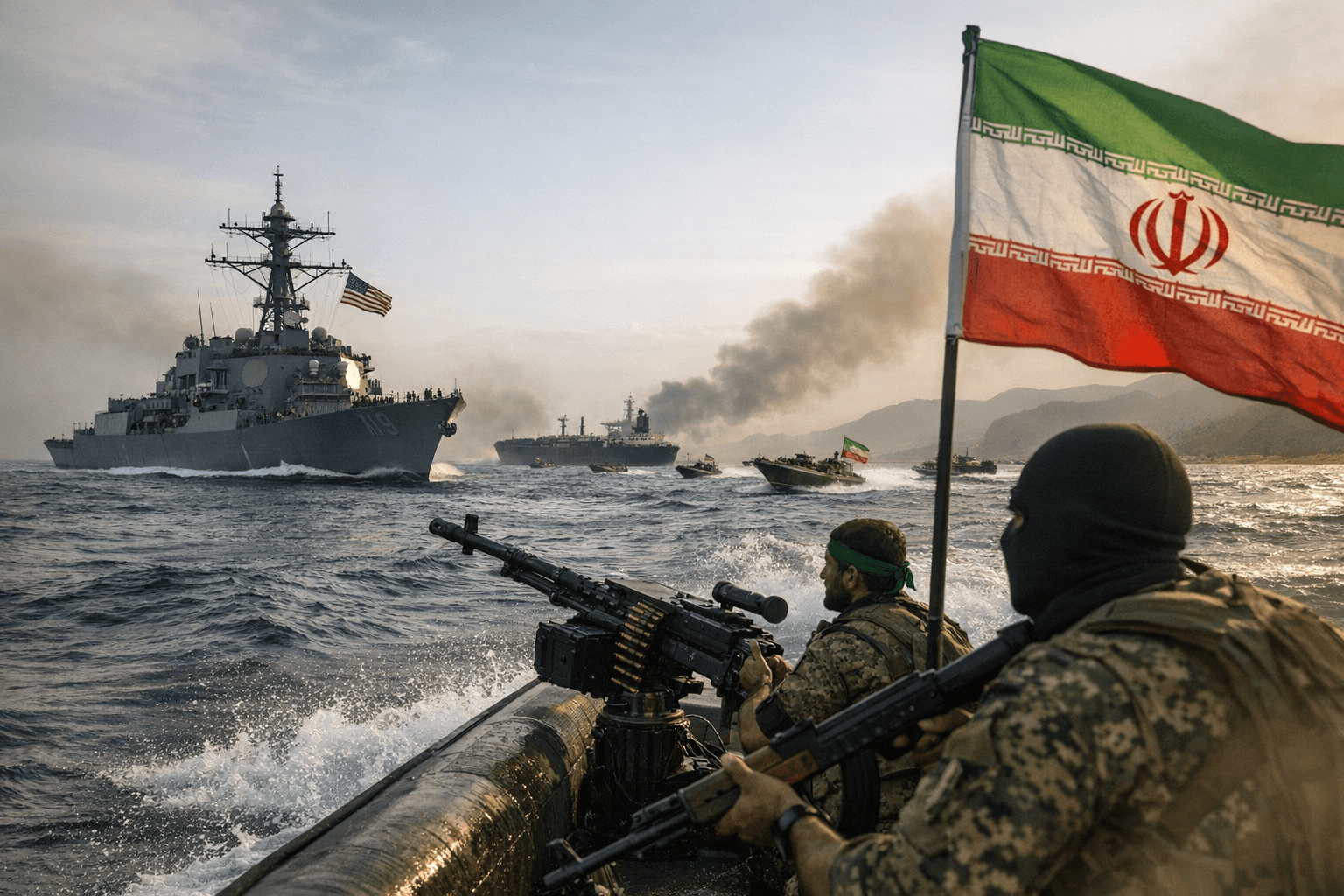
In a nationally televised address Wednesday, President Donald Trump urged oil-dependent nations to "build up some delayed courage, go to the Strait and just take it. Protect it," as the confrontation over the world's most critical oil shipping lane hardened into what may become an intractable territorial standoff.
Iran's state broadcaster Press TV disclosed that Tehran's five-point counteroffer to end the war would give Tehran control over the Strait of Hormuz. Iran's position was explicit: "Iran's exercise of sovereignty over the Strait of Hormuz is and will remain Iran's natural and legal right." Washington rejected that claim outright. Secretary of State Marco Rubio said, "We depend very little on the straits so if, in fact, Iran decides to set up a toll, if they decide they are going to illegally control the strait and decide they are going to try to do that, I imagine that will be the president's call whether he wants to help."
The crisis took hold on February 28, following the assassination of Iranian Supreme Leader Ali Khamenei in joint U.S.-Israeli strikes, when Iran's Revolutionary Guards began issuing VHF transmissions declaring that ship passages through the strait were "not allowed." On March 2, the Islamic Revolutionary Guard Corps officially confirmed the closure and threatened to set fire to any vessel that entered. By March 12, Iran had carried out 21 confirmed attacks on merchant ships.
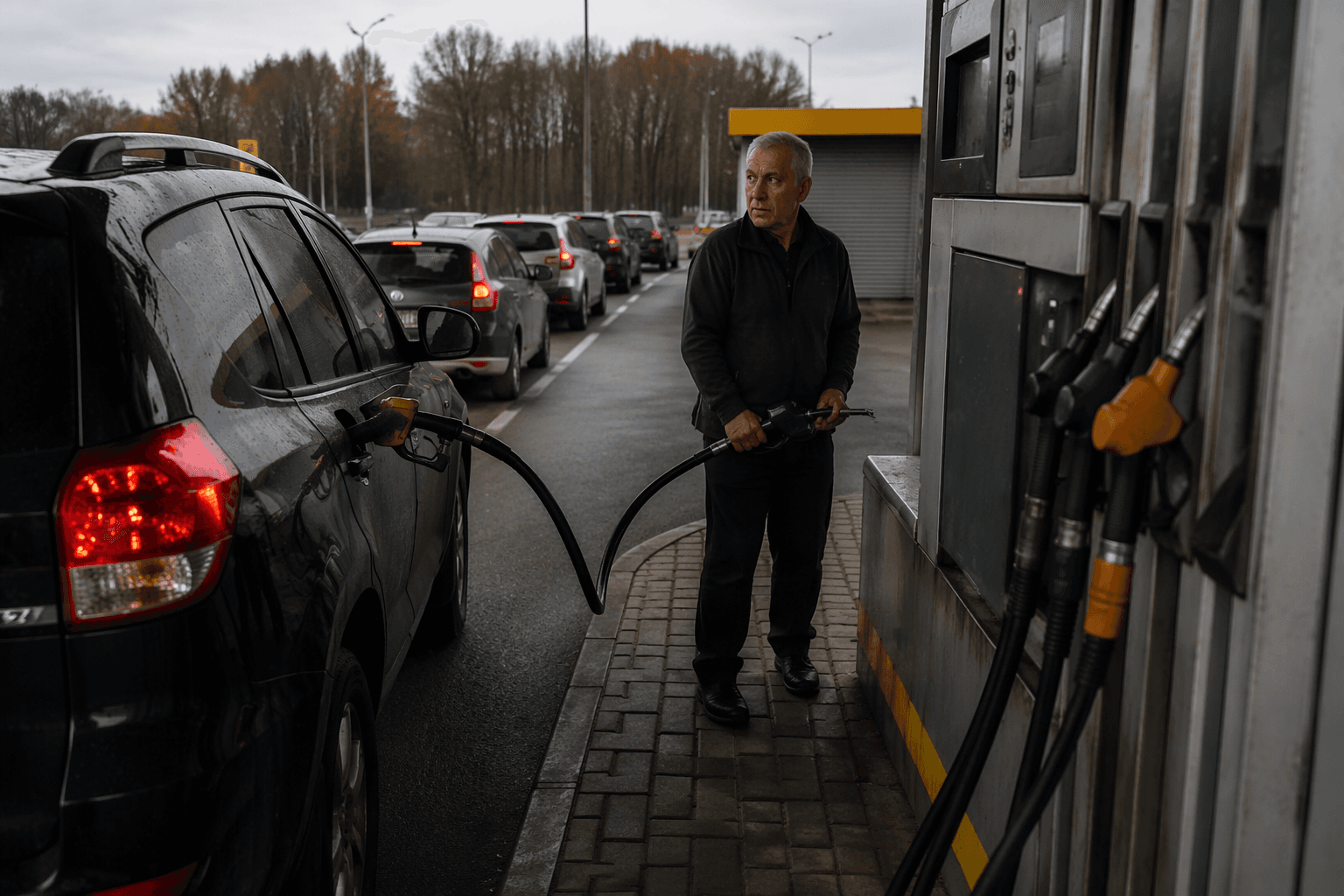
Oil prices surged faster than during any other conflict in recent history, with Brent crude surpassing $100 per barrel on March 8 for the first time in four years and reaching $126 per barrel at its peak. The closure has been described as the largest disruption to the energy supply since the 1970s energy crisis. The waterway handles roughly 20% of global oil supply. Iran has also been charging what one analysis described as multimillion-dollar tolls to let select ships pass through the strait.
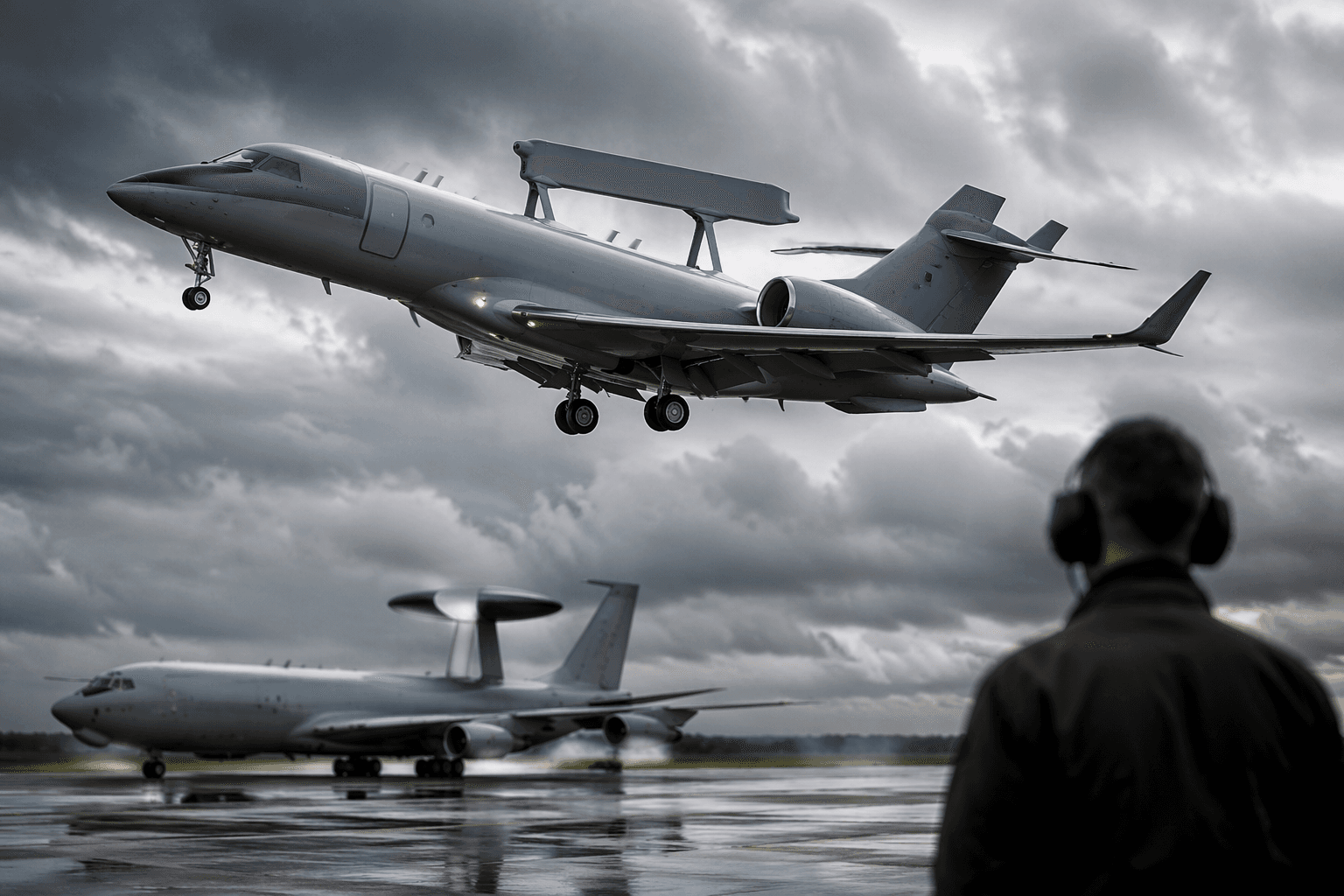
The United States Armed Forces launched a military campaign to reopen the strait on March 19. General Dan Caine announced the deployment of A-10 Thunderbolt II jets to strike "fast-attack watercraft" and Boeing AH-64 Apache gunships to "handle one-way attack drones." A total of 22 countries, including the United Kingdom, France, Germany, Japan, Bahrain, and the United Arab Emirates, signed a statement declaring their willingness to contribute to ensuring safe passage.
The diplomatic track offered little resolution. Iranian Foreign Minister Abbas Araghchi said that an exchange of messages between the two countries via mediators "does not mean negotiations with the U.S." On March 11, the UN Security Council passed a resolution reaffirming the right of ships to traverse the strait; China and Russia abstained.
Ensuring safe passage for oil tankers through the Strait of Hormuz is not one of the "core objectives" President Donald Trump has set for ending his military operation against Iran, White House Press Secretary Karoline Leavitt told reporters Monday, a signal that Washington may accept, at least temporarily, Iran's continued hold over the passage. "The Pentagon has always stated four to six weeks as an estimated timeline for Operation Epic Fury," Leavitt said.
Trump has said that if Iran does not reopen the Strait of Hormuz by April 6, the U.S. will conduct extensive attacks on Iranian energy sites. Any ceasefire or U.S. disengagement that cedes control of the strait risks creating new problems, including potentially triggering a nuclear arms race among Gulf states, experts warn. The April 6 deadline leaves the administration little room before its own military timeline forces a decision on whether to fight for the waterway or concede it as a negotiating variable.
This article was produced by Prism’s automated news system from verified source data, official records, and press releases, then run through automated quality and moderation checks before publishing. The system is built and supervised by the people who set the standards it runs under. Read our full AI policy.
Did this article answer your question?