U.S. retail sales rise 0.5 percent as consumers feel strain
Consumers kept spending in April, but much of the 0.5 percent gain came from pricier gasoline as sentiment sank to a record low.
U.S. consumers kept the cash register ringing in April, but the headline 0.5 percent rise in retail sales was built partly on higher prices at the pump, not just stronger demand. The Commerce Department’s Census Bureau said advance estimates of retail and food services sales reached $757.1 billion, up 4.9 percent from April 2025, while sales over the February-through-April stretch climbed 4.4 percent from a year earlier. The gain matched economists’ expectations and came after March sales were revised to a 1.6 percent increase from an initially reported 1.7 percent.
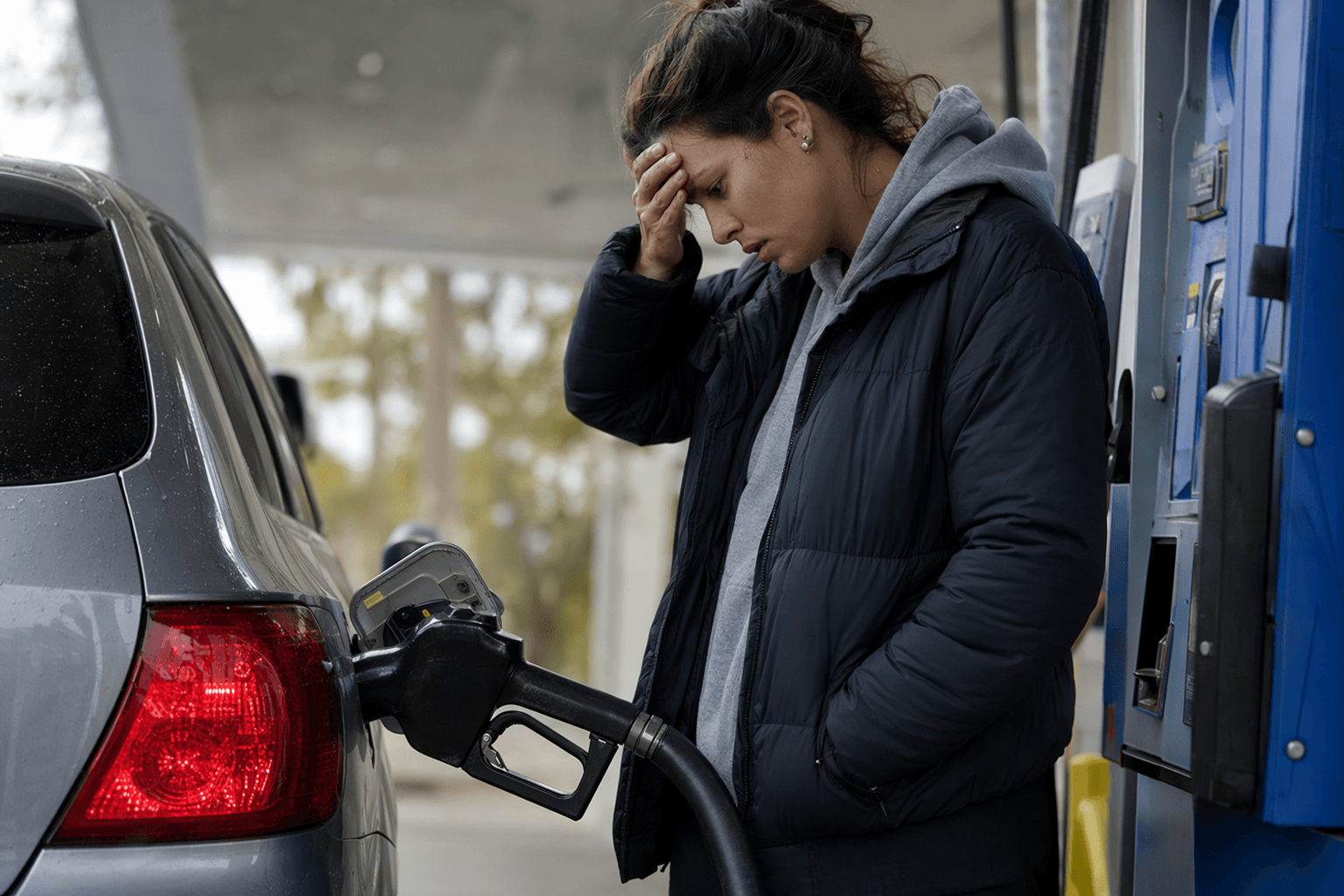
The strongest lift came from gasoline. Sales at gas stations rose 2.8 percent in April after a 13.7 percent jump in March, a sign that consumers were paying more rather than necessarily buying more. Because retail sales are not adjusted for inflation, some of the increase reflects higher prices. Excluding gasoline, retail sales rose just 0.3 percent. Excluding both autos and gasoline, sales were up 0.5 percent.
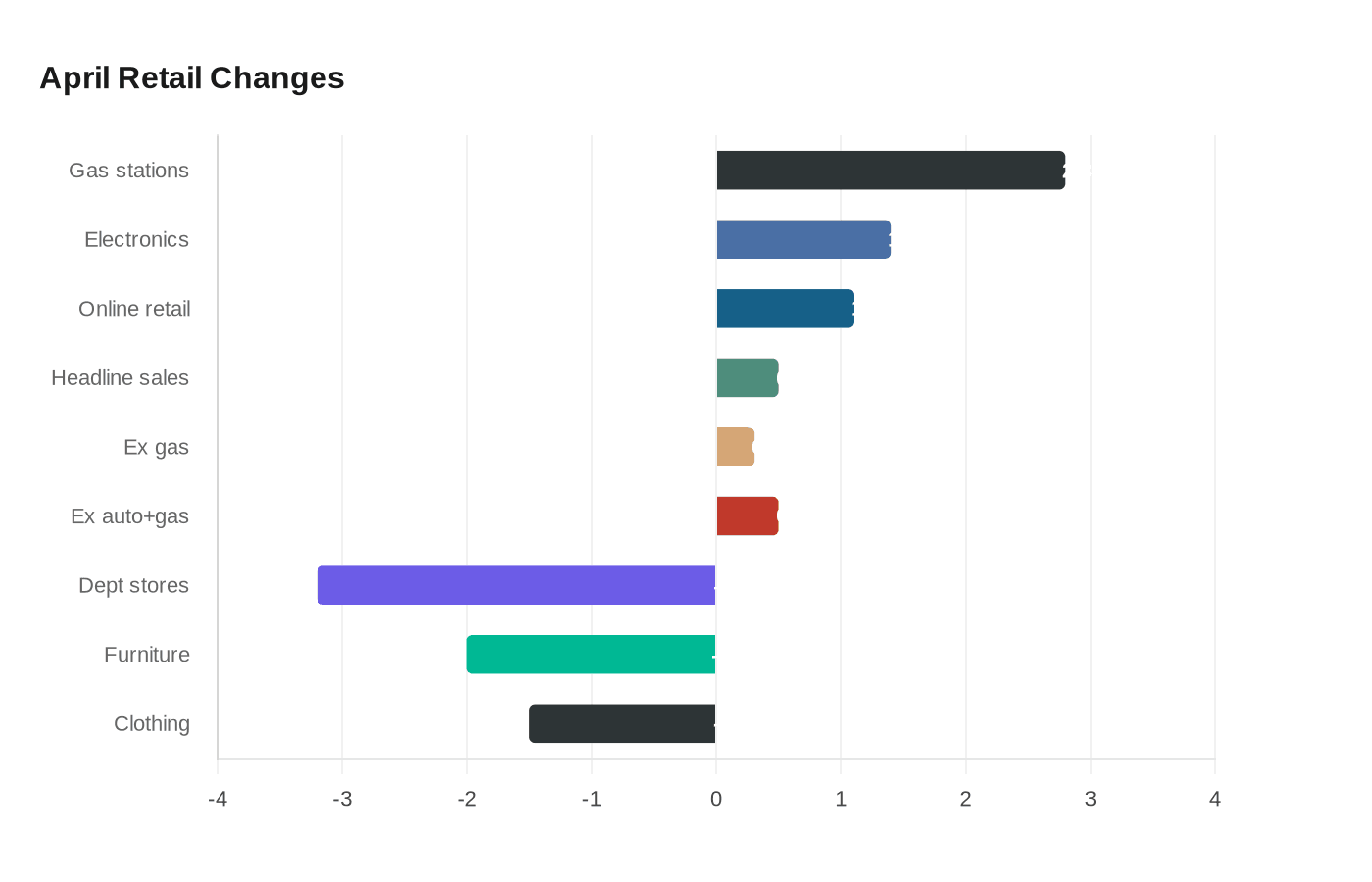
The spending picture was uneven beneath the surface. Department store sales fell 3.2 percent, furniture and home furnishings stores dropped 2.0 percent, and clothing and clothing accessories stores declined 1.5 percent. By contrast, online retailers posted a 1.1 percent increase and electronics and appliance stores rose 1.4 percent, suggesting households were still willing to spend in categories tied to discretionary purchases and home needs, even as they pulled back in more traditional brick-and-mortar segments.
The broader economic backdrop helps explain the strain. The average price for regular motor gasoline hit $4.10 per gallon in April, up 12.8 percent from March and 29.4 percent from April 2025, according to the Bureau of Transportation Statistics. The U.S. Bureau of Labor Statistics said consumer prices rose 0.6 percent in April and 3.8 percent from a year earlier, with energy accounting for more than 40 percent of the monthly increase. Consumer sentiment then fell sharply in early May, when the University of Michigan index dropped to 48.2, a record low, as about one-third of respondents mentioned gasoline prices and roughly 30 percent cited tariffs. Economists said tax refunds and strong spending among higher-income households helped support April sales, but they warned that momentum could fade if fuel prices stay elevated and refund-driven spending runs out.
This article was produced by Prism’s automated news system from verified source data, official records, and press releases, then run through automated quality and moderation checks before publishing. The system is built and supervised by the people who set the standards it runs under. Read our full AI policy.
Did this article answer your question?