U.S. sanctions Chinese refinery, shipping firms over Iranian oil trade
Washington targeted a major Chinese teapot refinery and 40 Iran-linked ships, then widened pressure on the banks that keep oil money moving. The fight now is over costs, not just barrels.
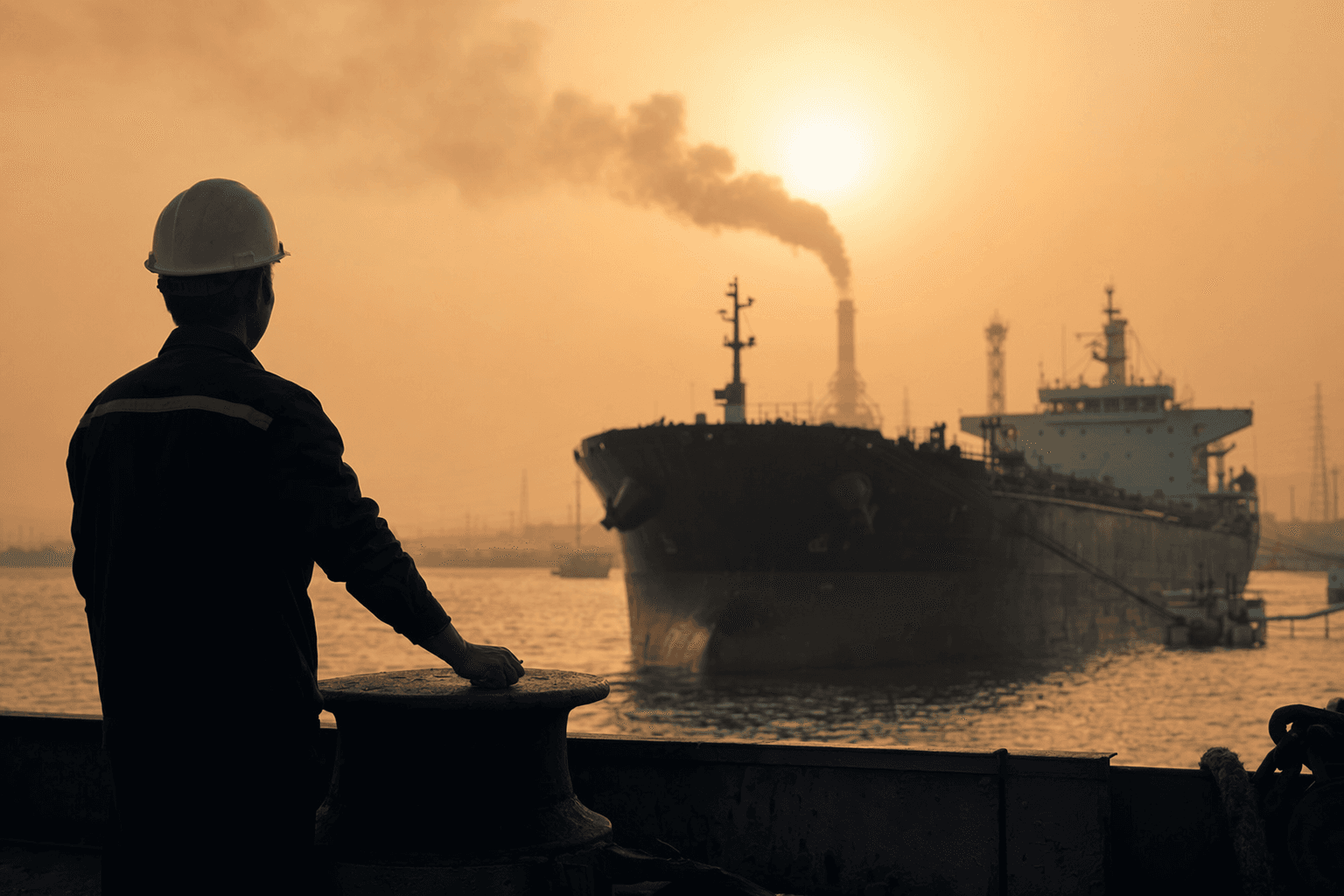
A Chinese refinery that Treasury says bought billions of dollars’ worth of Iranian petroleum was put on the sanctions list alongside about 40 shipping firms and vessels tied to Iran’s shadow fleet, sharpening Washington’s effort to squeeze the trade where it moves, where it is financed and where it is disguised.
The April 24 action hit Hengli Petrochemical (Dalian) Refinery Co., Ltd., which Treasury described as one of Iran’s largest customers. The department said the step fell under its Economic Fury campaign and used Executive Order 13902, part of the Trump administration’s maximum-pressure approach toward Iran. The State Department said the broader push is meant to cut off money for Iran’s nuclear ambitions, terrorist proxies and destabilizing regional activity.
The sanctions matter because they target several points in the chain at once. Hengli represents the demand side in China’s independent teapot refinery market, especially in Shandong Province, where small and mid-sized processors have long been willing to buy discounted crude outside the reach of major state-owned firms. The shipping designations target the vessels and intermediaries that move Iranian oil through a shadow fleet built to obscure ownership, routes and cargoes. Treasury’s bet is that if refiners, shippers and insurers face rising risk, the trade becomes more expensive and less reliable even if it is not stopped outright.
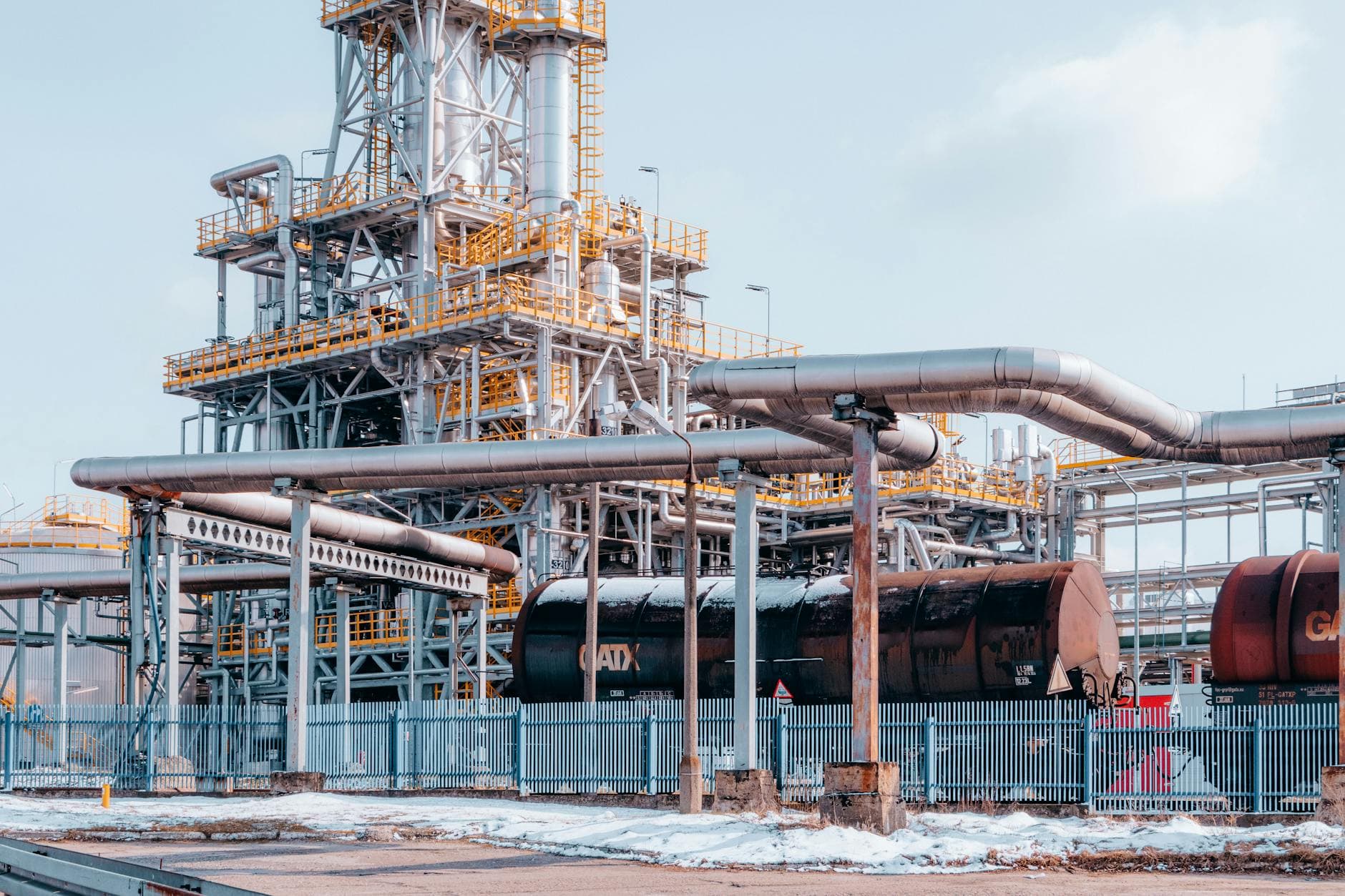
That logic hardened again on April 28, when Treasury warned financial institutions about sanctions risks tied to China-based teapot refineries and separately designated 35 entities and individuals it said oversaw Iran’s shadow banking architecture. Treasury said those networks had facilitated the movement of the equivalent of tens of billions of dollars tied to sanctions evasion and Iran’s sponsorship of terrorism. The department said China buys approximately 90 percent of Iran’s oil exports, and that teapot refineries account for the majority of those imports, making them the core of the revenue stream Washington is trying to choke.
Chinese officials pushed back. The Chinese embassy in Washington said the United States should stop abusing sanctions against Chinese companies, underscoring the political strain around the oil crackdown as U.S.-China tensions remain elevated and talks are expected. Earlier rounds in March, April and May 2025 had already targeted Iranian oil ministers, teapot refineries, port terminal operators and shadow-fleet actors, showing a pattern of escalation that has yet to halt the flows, but has repeatedly raised the cost of evasion for the buyers, shippers and financiers that keep Iran’s crude moving.
This article was produced by Prism’s automated news system from verified source data, official records, and press releases, then run through automated quality and moderation checks before publishing. The system is built and supervised by the people who set the standards it runs under. Read our full AI policy.
Did this article answer your question?


