U.S. sanctions target Iran oil network as Trump prepares Xi meeting
Treasury hit an Iran-to-China oil network days before Trump’s Xi summit, tightening pressure on shipping, shell firms and payments. The move exposed how much of Tehran’s crude still moves through China.
Treasury’s latest sanctions went after the machinery that keeps Iranian oil flowing to China: front companies, shipping intermediaries and the payment routes that survive despite years of pressure. On May 11, the Office of Foreign Assets Control designated 12 individuals and entities for enabling the Islamic Revolutionary Guard Corps to sell and ship oil, naming three people and nine companies tied to the trade.
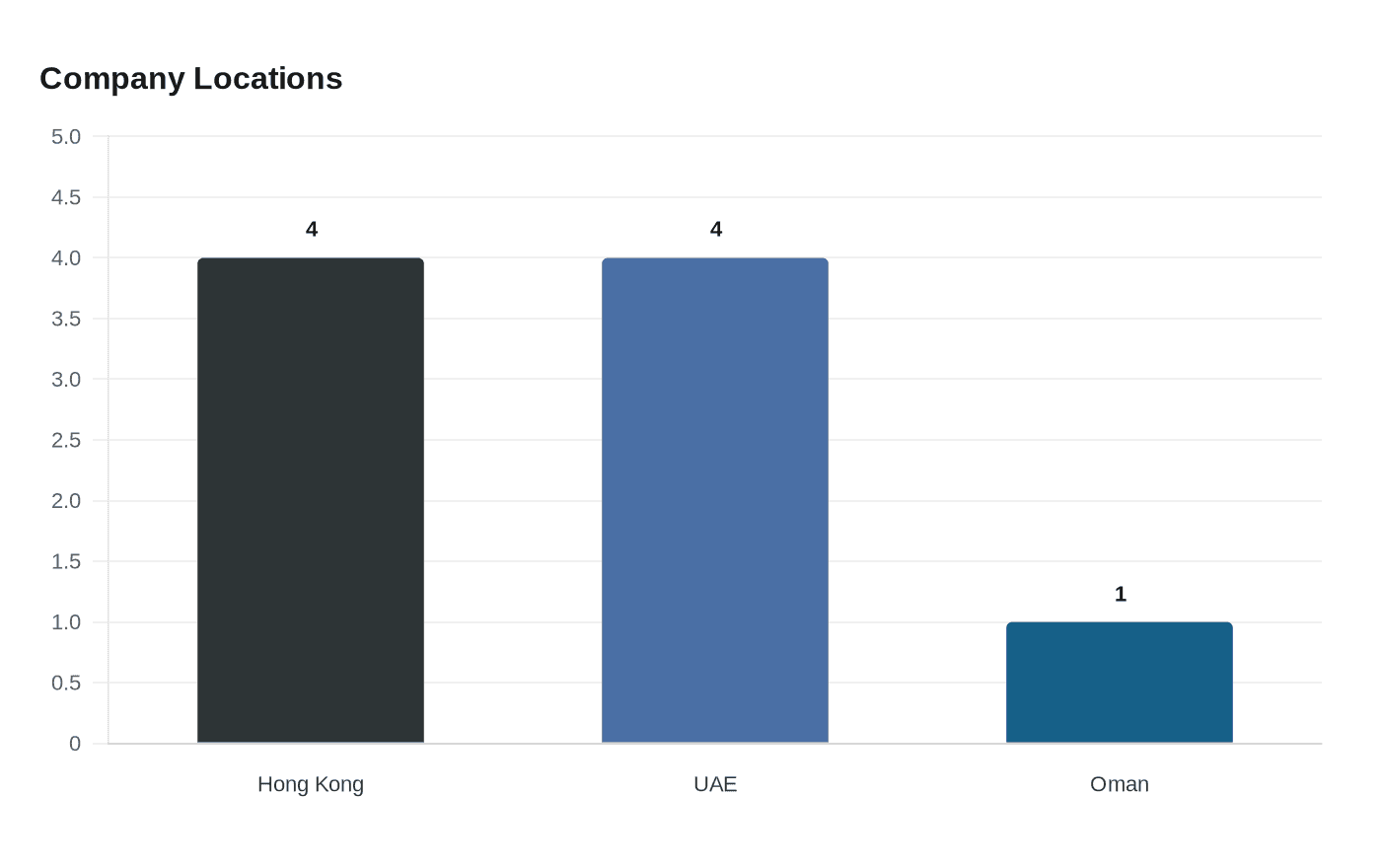
The companies spanned four jurisdictions that have become familiar way stations for Iranian commerce: four were based in Hong Kong, four in the United Arab Emirates and one in Oman. Treasury said the IRGC uses permissive economic centers to hide its role in oil sales and funnel revenue back to the Iranian regime. Scott Bessent said the administration would keep cutting off that money stream, which Washington says feeds weapons programs, terrorist proxies and nuclear ambitions.
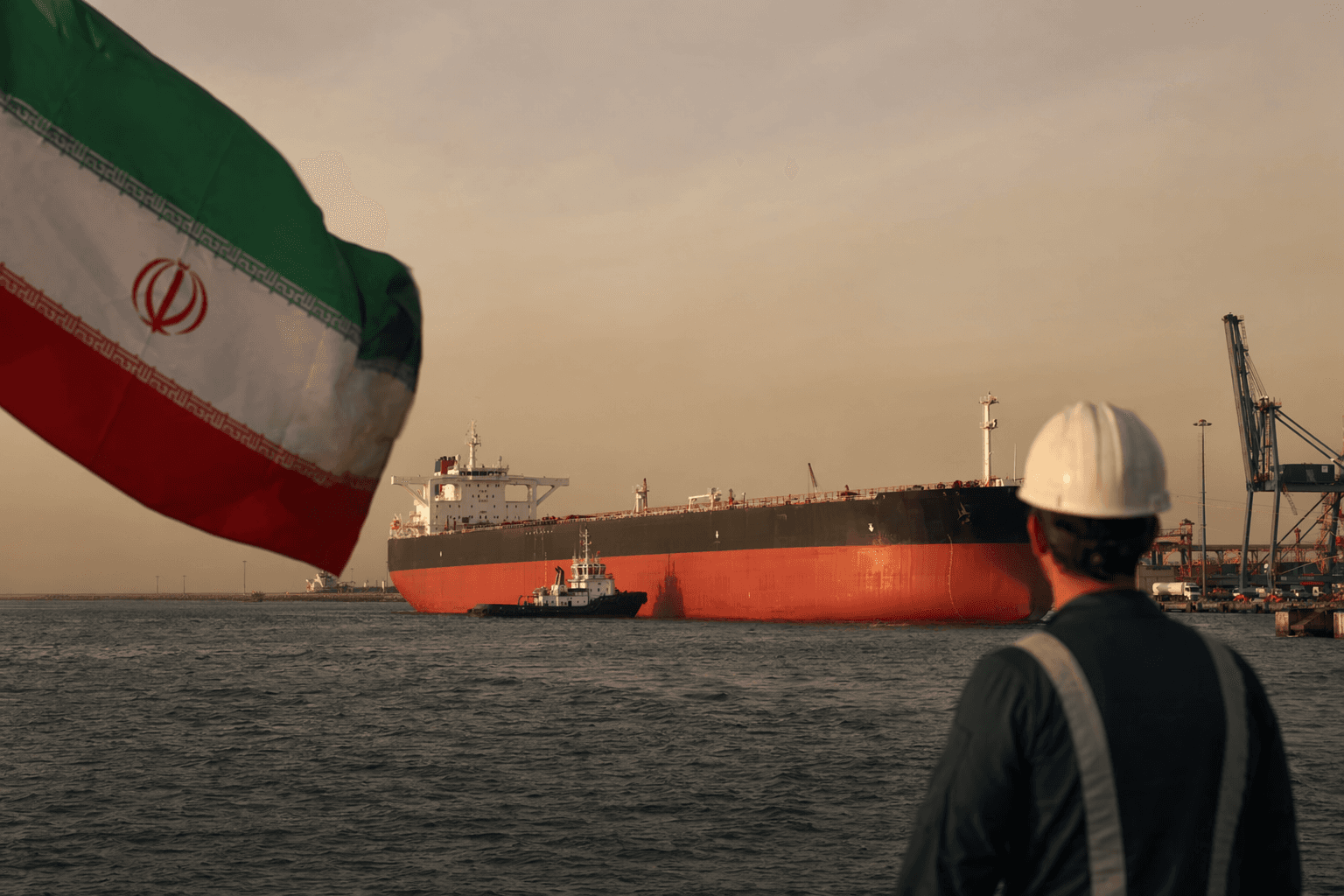
The action underscored how dependent Tehran remains on the Chinese market. Treasury warned financial institutions about sanctions risks tied to China-based independent teapot refineries and said China buys about 90% of Iran’s oil exports, with those refineries accounting for most of the imports. Treasury also said the Trump administration had already disrupted billions of dollars in projected oil revenue and nearly half a billion dollars in regime-linked cryptocurrency, signaling a campaign that now reaches from cargoes to financing.
Pressure on the refining side intensified in parallel. On May 1, the State Department said Qingdao Haiye Oil Terminal Co., Ltd. had imported tens of millions of barrels of sanctioned Iranian crude and said its action was aimed at billions of dollars flowing to Tehran. Treasury has also warned it may use secondary sanctions against foreign financial institutions that facilitate Iran-related activity, a threat designed to chill banks, traders and insurers far beyond Iran.
The timing gave the sanctions immediate geopolitical weight. Donald Trump was preparing for a meeting with Xi Jinping in Beijing on May 14 and 15, and the new penalties landed just days before that summit. Washington is pressing Beijing not only on Iran but on the broader security of energy flows, including the Strait of Hormuz, where any disruption can rattle global oil markets.
The latest move fit a stepped-up enforcement pattern across April and May. Treasury targeted more than two dozen people, companies and vessels tied to Iran’s oil transportation network on April 15, sanctioned a China-based teapot refinery and about 40 shipping firms and vessels on April 24, warned banks on April 29, moved against additional petroleum and currency-exchange networks on May 1, and then expanded the squeeze again on May 11. China’s commerce ministry has responded by issuing a blocking order against earlier U.S. sanctions on five Chinese refiners accused of buying Iranian oil, showing Beijing is resisting the campaign even as Washington tries to make the costs harder to absorb.
This article was produced by Prism’s automated news system from verified source data, official records, and press releases, then run through automated quality and moderation checks before publishing. The system is built and supervised by the people who set the standards it runs under. Read our full AI policy.
Did this article answer your question?