US security chief celebrates Iran’s World Cup elimination
A U.S. homeland security chief said he "danced a happy dance" after Iran's World Cup exit, inflaming an already fraught dispute over visas, travel limits and U.S.-Iran tensions.
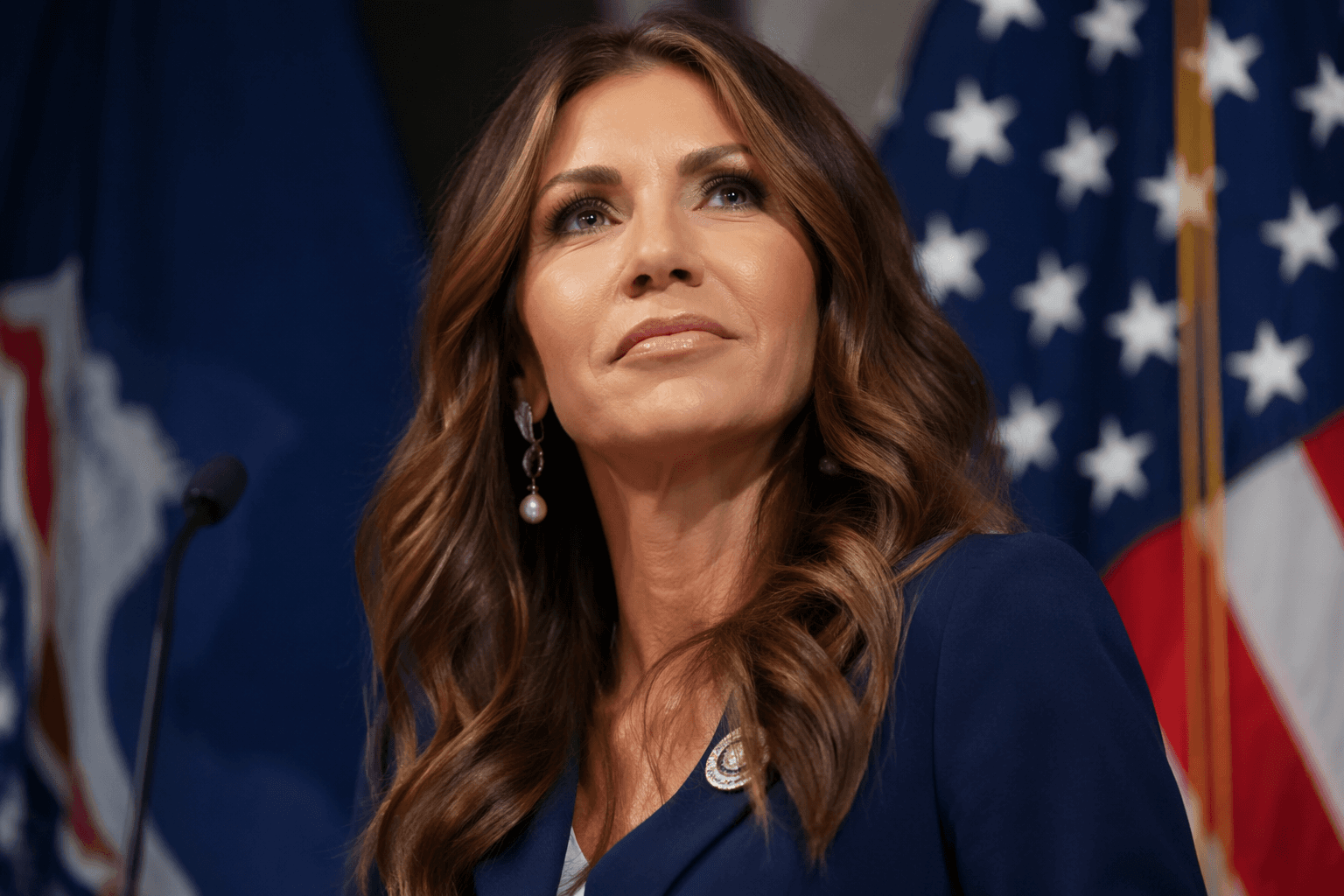
Markwayne Mullin, the U.S. Homeland Security Secretary, said he "danced a happy dance" after Iran was eliminated from the World Cup, adding that he was "so glad" Iran was out and that he had sung "a song or two." The comments pushed a sports result into the territory of official conduct, with the nation’s top security official publicly cheering the defeat of a foreign team already caught in a web of diplomatic strain.
Iran had come close to advancing despite a difficult path through Group G. The team drew all three of its matches and finished as the ninth-best third-place side, just outside the cutoff, since only the top eight third-place teams moved on to the knockout rounds. The final blow came when Austria scored a last-minute goal against Algeria in the closing group-stage match, leaving Iran on the outside.
The backdrop to Iran’s exit had been tense long before the final whistle. U.S. authorities imposed travel restrictions on the team that required players to enter the United States within 24 hours of matches and leave the same day. Iran’s planned base camp in Tucson, Arizona, was later moved to Tijuana, Mexico. Ahead of the tournament, the White House said Iran’s players had been granted visas, but U.S. officials defended the restrictions as part of ongoing security and travel assessments.
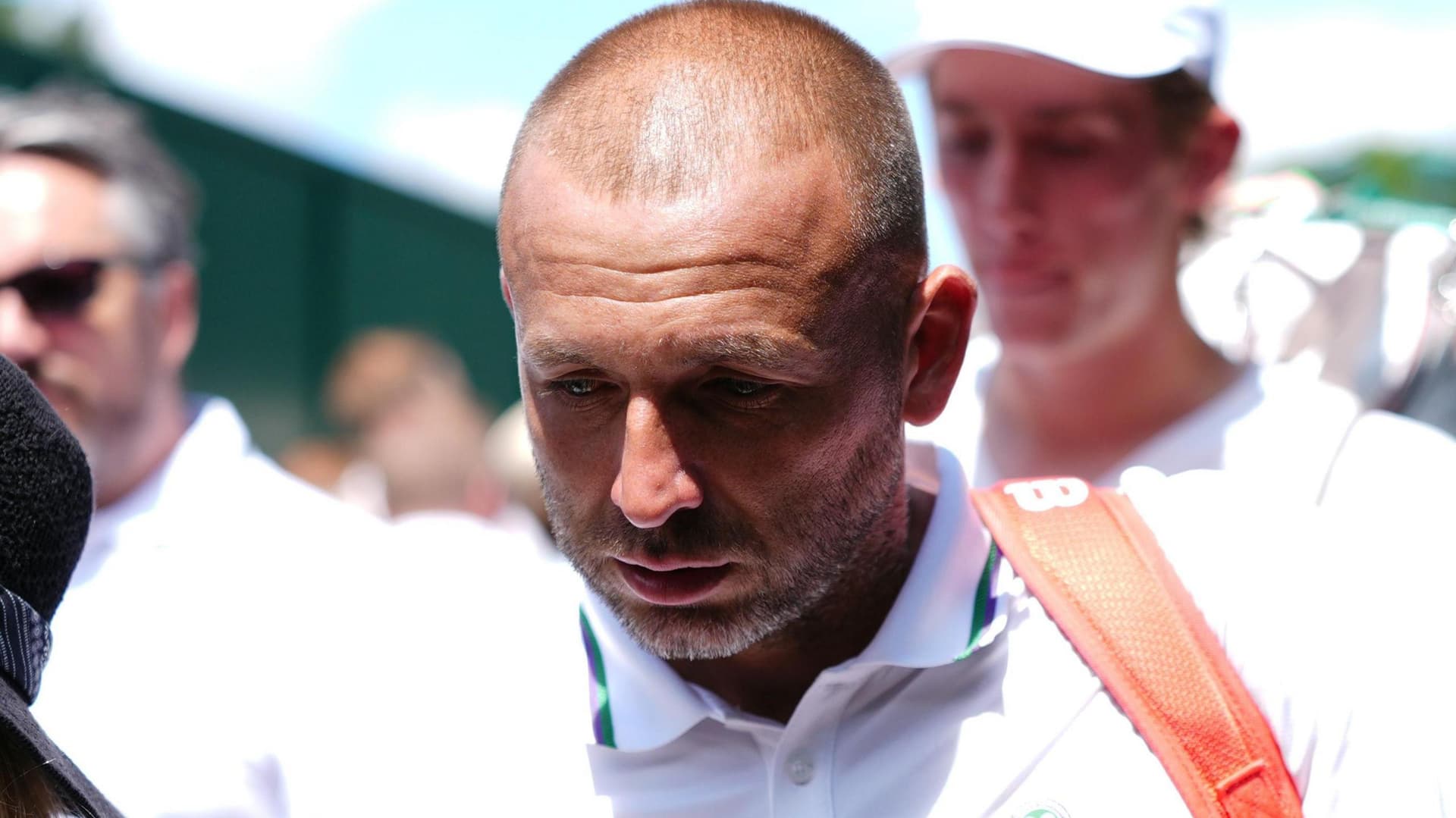
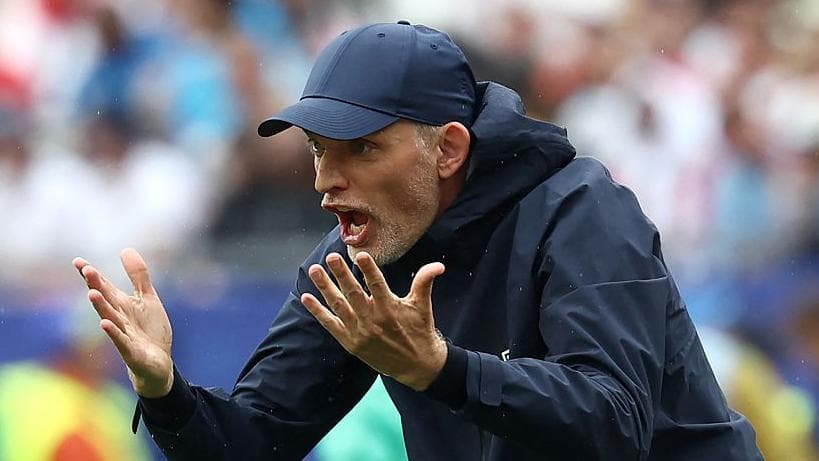
That mix of visas, movement limits and public comments made the tournament a proxy for broader U.S.-Iran tensions. Iran coach Amir Ghalenoei called his side the "most oppressed" team in the competition, a reflection of how the squad framed its experience under the U.S. restrictions. Mullin’s celebration sharpened the divide, turning a narrow sporting elimination into a public signal that carried beyond the pitch.
The backlash from Iranian football officials was immediate. An Iran Football Federation official said Mullin’s remarks say "far more about him than it does about our team." The federation had already condemned U.S. allegations about its leadership as "false, fabricated, and entirely baseless." In a tournament shaped as much by travel rules and diplomatic friction as by results, the reaction underscored how easily a World Cup can become an arena for state power, not just sport.
This article was produced by Prism’s automated news system from verified source data, official records, and press releases, then run through automated quality and moderation checks before publishing. The system is built and supervised by the people who set the standards it runs under. Read our full AI policy.
Did this article answer your question?