U.S. security strategy downplays China-Russia threat, shifts burden to allies
The 2025 National Security Strategy reframes China as an economic rival and softens language on Russia, while the Pentagon’s 2026 NDS pushes partners to shoulder defense costs and take lead in Europe.
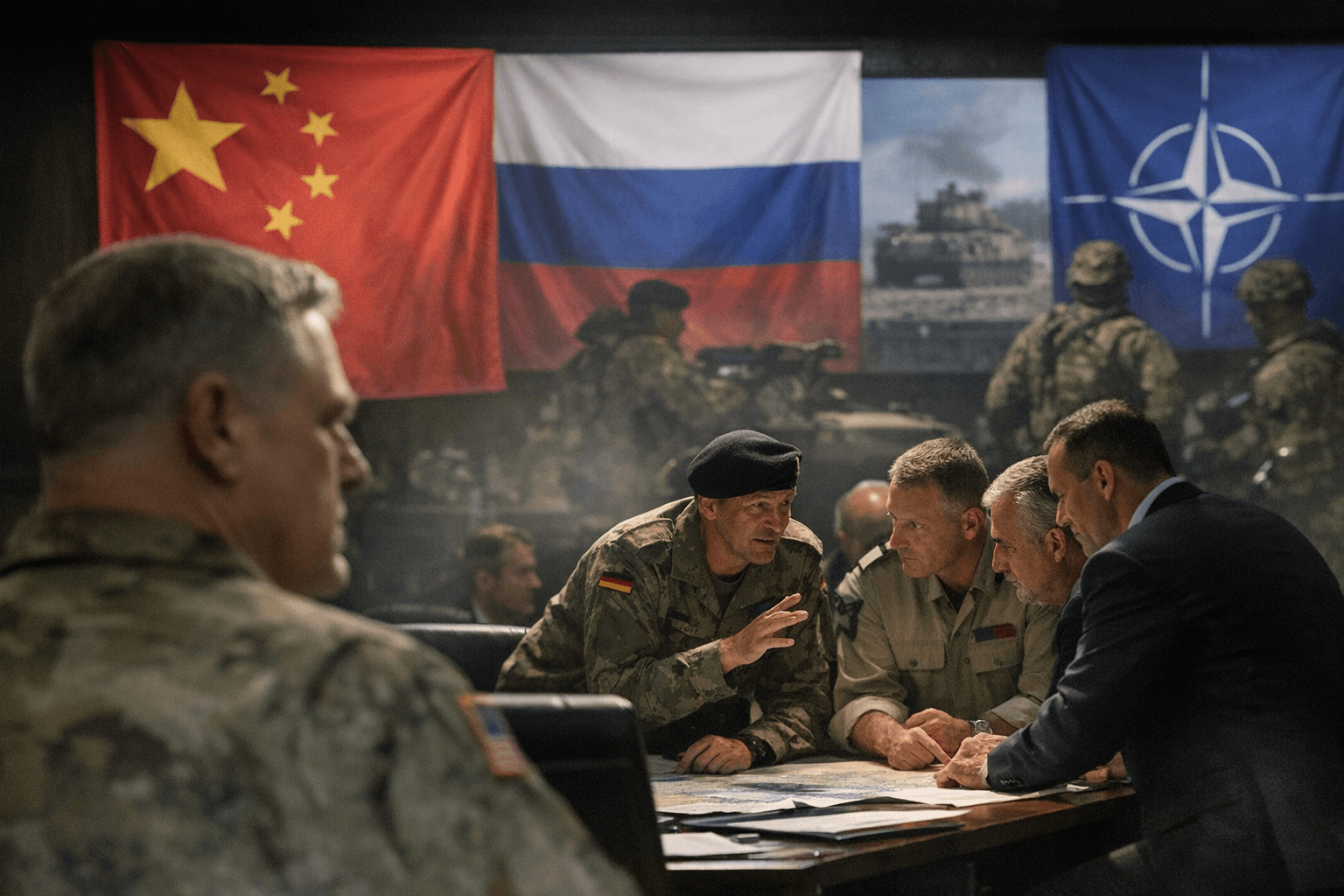
The Trump administration’s 2025 National Security Strategy reframes core U.S. threat assessments, treating China primarily in economic terms and declining to cast Russia as a direct threat to American interests, a posture analysts warn could weaken alliances and cede influence to Beijing and Moscow.
Think-tank analysts and defense observers say the strategy abandons the bipartisan “great power competition” rubric that guided U.S. planning for nearly a decade. The Council on Foreign Relations called the new NSS “more polemic than policy,” arguing that “the north star of great power competition with China and Russia” is gone and that “economics are ‘the ultimate stakes.’” CFR commentary also notes the strategy depicts a goal of a “mutually advantageous economic relationship with Beijing” while using a phrasing that “many Europeans regard Russia as an existential threat” rather than directly identifying Moscow as a core U.S. adversary.
The change in White House posture is mirrored in the Pentagon’s National Defense Strategy, a 34-page Department of Defense blueprint released late last week. That document, officials and analysts say, downgrades China as the top security priority and urges a Western Hemisphere focus. The NDS tells U.S. allies such as South Korea they “must shoulder their fair share of the burden of our collective defense,” and argues that Germany’s economic weight means NATO members “are ‘strongly positioned to take primary responsibility for Europe’s conventional defense, with critical but more limited US support’,” including taking the lead on support for Ukraine.
Critics say the combined NSS and NDS shifts amount to a substantial rebalancing of risk and responsibility. The Atlantic Council warned that by “underplaying - and refraining from even referencing - the conventional threat Russia poses to transatlantic security, the NSS does not empower those nations that are working to take on greater defense responsibilities,” and called the approach “an own goal that undermines the administration’s stated objectives for what it seeks to achieve with European allies.” The Council also warned the strategy risks emboldening nationalist and populist parties such as Germany’s AfD, which it said would be most likely to cut defense budgets.
Policy prescriptions in the NSS as read by analysts add to the pressure on allies. The Stimson Center notes the document advances a “Predisposition to Non-Interventionism” and “demands that allies spend 5% of GDP on defense,” while conditioning “favorable treatment on commercial matters” on alignment with U.S. export controls. Stimson’s Yun Sun said the Chinese reaction to the new NSS “has been overwhelmingly positive,” and that Beijing views the shift to a balance-of-power framing as “music to its ears.”
Brookings scholars and other observers caution the shift narrows the scope of U.S. interests and weakens the ideological framing that had sustained transatlantic and Indo-Pacific coalitions. The result, they say, could be divergent threat perceptions across NATO and allied capitals and less predictable U.S. leadership at moments of crisis.
The administration frames the changes as a strategic reprioritization toward the Western Hemisphere and economic statecraft. Supporters say burden-sharing is long overdue; opponents say the new posture risks untethering longstanding security guarantees at a time when China and Russia are deepening cooperation abroad. Key next steps for reporters and policymakers include public release of the full NSS and NDS texts for direct comparison, and immediate consultations with European and Asian partners on force posture, defense spending, and support for Ukraine.
This article was produced by Prism’s automated news system from verified source data, official records, and press releases, then run through automated quality and moderation checks before publishing. The system is built and supervised by the people who set the standards it runs under. Read our full AI policy.
Did this article answer your question?