U.S. seeks three new military bases in Greenland, talks continue
Washington is negotiating access to three sites in southern Greenland, a move that would expand its Arctic footprint and test Denmark’s sovereignty red lines.
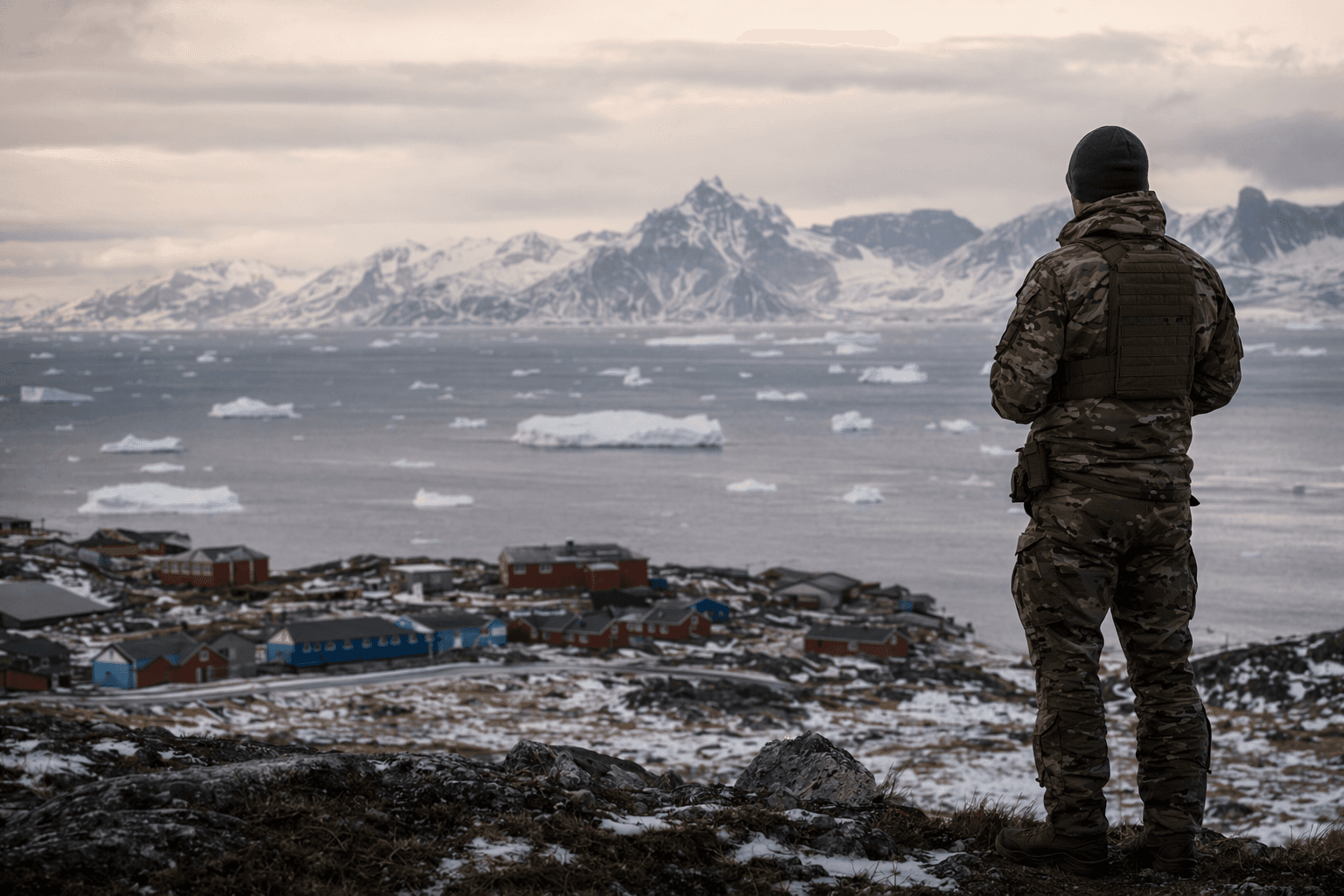
The U.S. was pressing for access to three military sites in southern Greenland, a push that would broaden its Arctic footprint at a time when Washington sees the island as a strategic buffer against Russian and Chinese activity and a key position on the North Atlantic and Arctic approaches.
The talks were taking place under the 1951 defense pact between the United States and Denmark, an agreement that already gave Washington the right to build and expand military facilities in Greenland. Pituffik Space Base, the former Thule Air Base on Greenland’s northwest coast, remained the only current U.S. military installation on the island and the center of American early-warning and missile-defense operations. Any new presence in the south would mark the first U.S. military expansion in Greenland in decades.
Officials said the proposed expansion could involve access to existing or abandoned sites, including locations that could support airfields and ports. That has raised the stakes in a territory where Greenland and Denmark have drawn clear lines around sovereignty and territorial integrity, insisting that any arrangement must respect Greenland’s self-determination within the Kingdom of Denmark.

The political pressure around the talks was intensified by Donald Trump’s repeated suggestions that the United States should control Greenland, a position rejected by leaders in both Nuuk and Copenhagen. In January and again in early 2026, U.S., Danish and Greenlandic officials met and agreed to form a high-level working group to keep examining security issues, but Danish and Greenlandic officials said no deal had been reached. On May 12, 2026, Greenland’s prime minister, Jens-Frederik Nielsen, said the negotiations were making progress, but still had not produced an agreement.

The dispute reflected a broader Arctic trade-off. Washington wanted stronger deterrence and more reach in a region where military mobility, surveillance and early warning mattered more each year. Greenland and Denmark, meanwhile, were trying to protect local control over the island’s future while avoiding a settlement that would cross the red lines they had set. With Pituffik still anchoring the U.S. presence in northwest Greenland, the question now was whether security cooperation could expand without reopening the sovereignty fight that has shadowed Greenland’s strategic value for years.
This article was produced by Prism’s automated news system from verified source data, official records, and press releases, then run through automated quality and moderation checks before publishing. The system is built and supervised by the people who set the standards it runs under. Read our full AI policy.
Did this article answer your question?