U.S. sends carrier strike group to Middle East amid Iranian warnings
The USS Abraham Lincoln strike group deployed to regional waters to "promote regional security and stability" as Tehran warned it could retaliate, raising risk and market concerns.
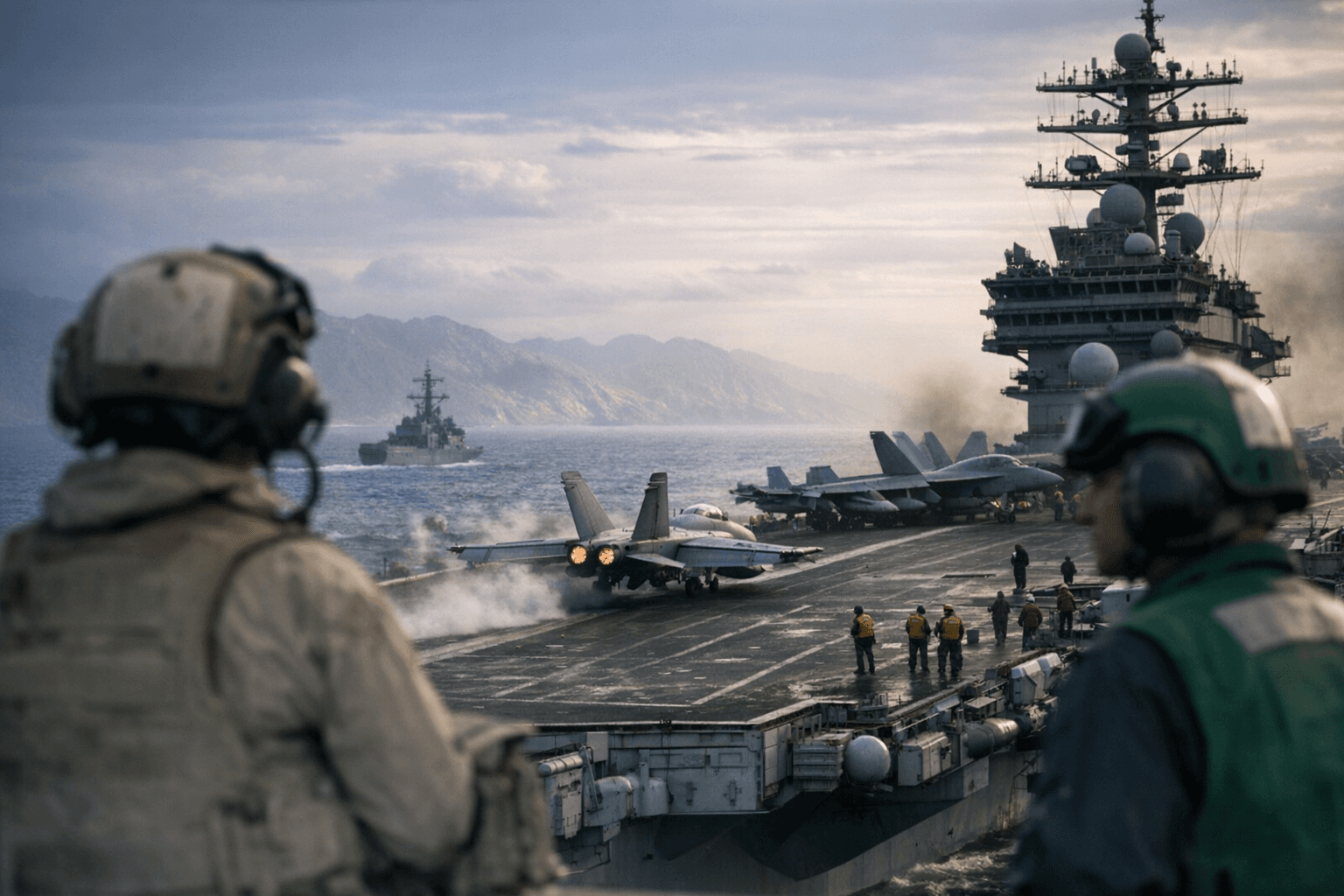
The United States deployed an aircraft carrier strike group led by the USS Abraham Lincoln into Middle Eastern waters on January 26, 2026, in a move U.S. Central Command said was intended to "promote regional security and stability." The deployment came as Tehran warned it could strike back, a statement that did not specify targets or timing but has heightened regional tensions and raised questions about possible economic fallout.
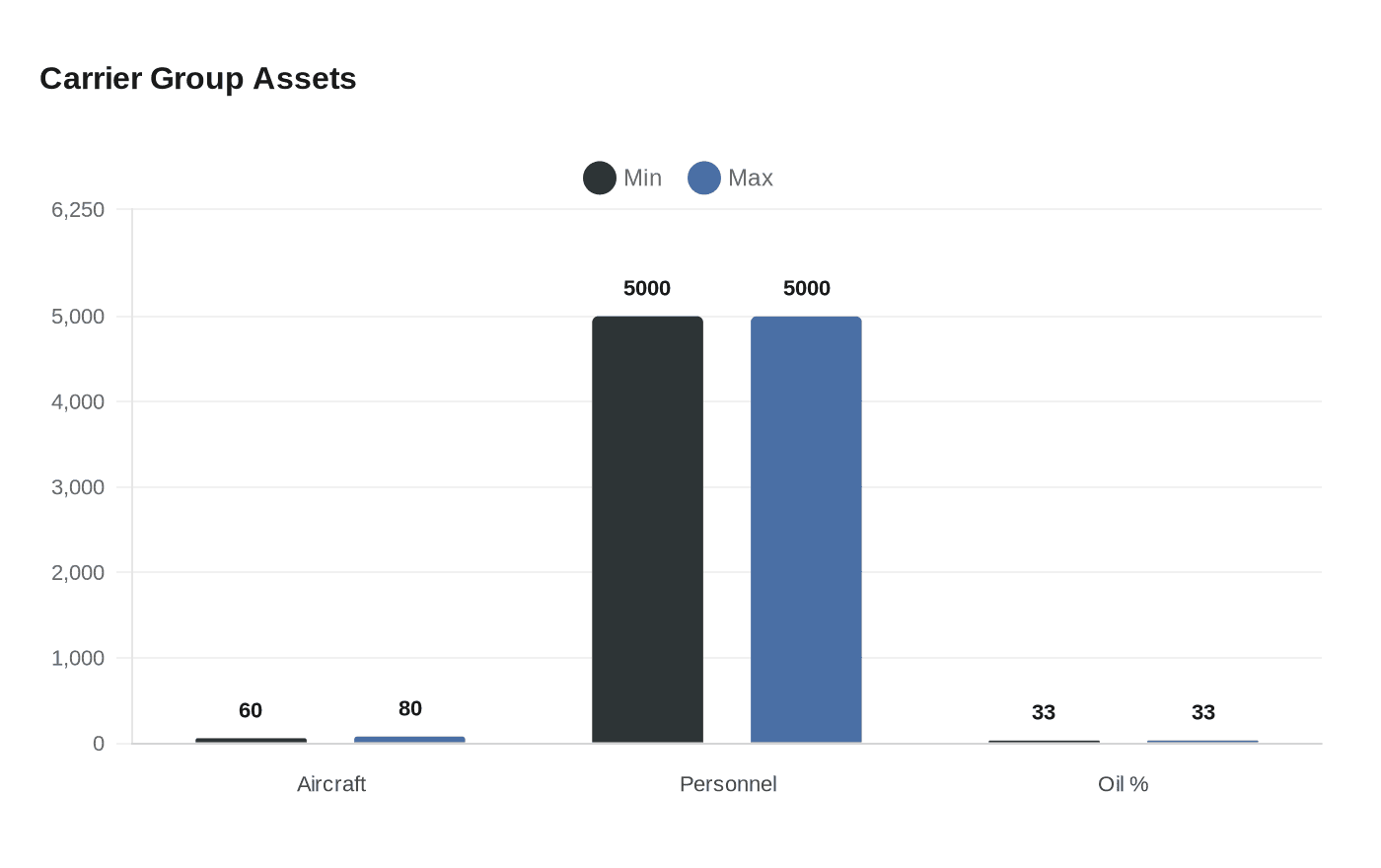
The carrier strike group deployment places a principal American naval asset into a maritime environment that remains a flashpoint for energy and trade. A single carrier strike group typically sails with an embarked air wing of roughly 60 to 80 aircraft and some 5,000 personnel, along with guided-missile destroyers, cruisers and a submarine for layered defense and strike options. The presence signals a shift from diplomatic protest to visible deterrence aimed at reducing the risk of attacks on shipping, bases or allied partners in the region.
Economically, the move is significant because the Gulf and adjacent waterways are critical to global energy markets. Approximately one-third of seaborne oil passes through the Strait of Hormuz, and any credible threat to shipping has historically translated into price volatility and higher insurance premiums for tankers and cargo vessels. Market participants typically price in a risk premium when naval deployments or threats increase perceived instability, affecting futures markets, freight rates and consumer prices downstream.
Financial markets and shipping insurers will be watching for signs of escalation. A protracted standoff could lift risk-adjusted costs for oil and raise the expense of shipping through the Gulf, prompting some firms to reroute vessels around the Cape of Good Hope at much higher transit times and fuel costs. Energy-importing countries may face short-term price shocks and inflationary pressure if supplies tighten or insurance surcharges broaden. Conversely, defense contractors and suppliers often see an uptick in investor interest during periods of heightened geopolitical risk, although that effect can be uneven and short lived.
Strategically, the deployment underscores enduring U.S. reliance on forward naval power to deter state and nonstate threats. It also highlights the limits of military posturing as a substitute for diplomacy. Analysts note that visible force can deter some actions but also risks miscalculation, especially when adversaries issue ambiguous warnings of retaliation. Regional partners, many of whom balance economic ties with Tehran and Washington, may be pressured to choose sides or expand contingency planning for trade and energy security.
Policymakers face trade-offs between deterrence and escalation. Sustained deployments carry fiscal costs and can prompt calls in Congress for increased defense spending or accelerated arms sales to regional allies. For long-term markets, the episode is another reminder of structural vulnerabilities: concentrated export chokepoints, thin insurance capacity for high-risk routes and the intertwined nature of geopolitics and global supply chains. How Washington and Tehran manage rhetoric and rules of engagement in the coming days will determine whether this deployment calms the region or becomes the opening salvo in a broader confrontation.
This article was produced by Prism’s automated news system from verified source data, official records, and press releases, then run through automated quality and moderation checks before publishing. The system is built and supervised by the people who set the standards it runs under. Read our full AI policy.
Did this article answer your question?