U.S. shoots down Iranian drones near Strait of Hormuz, strikes radar sites
If drones start threatening tankers at the Strait of Hormuz, the shock can move fast from the Gulf to U.S. gasoline prices and freight costs.
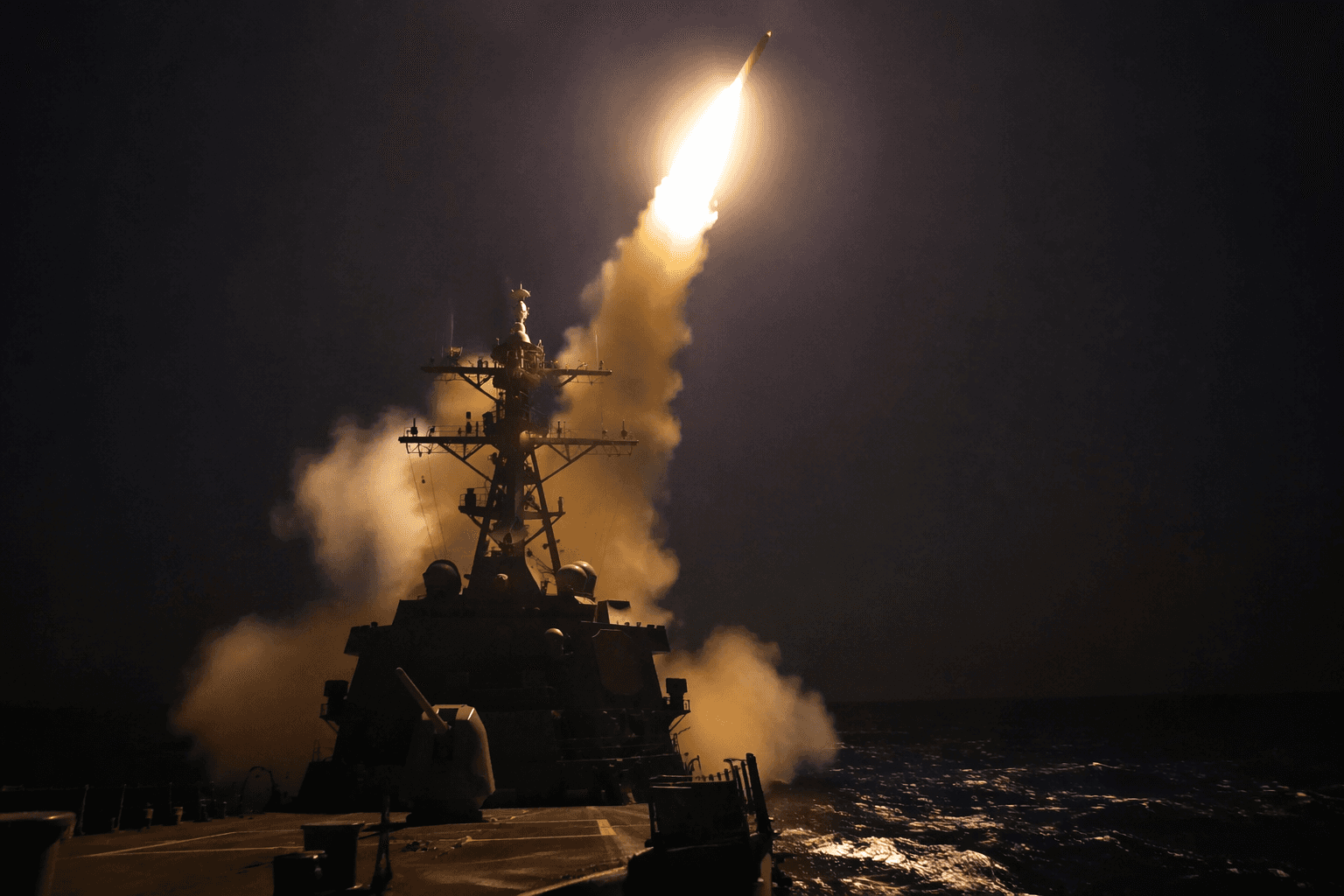
The tactical exchange turns into an economic problem the moment shipping crews, insurers and energy traders begin to price in risk around the Strait of Hormuz, where about one-fifth of the world’s oil flows. That is the pressure point U.S. officials were watching Friday after Iranian one-way attack drones moved toward the waterway, raising the chance that a military clash could seep into fuel costs, supply chains and consumer prices in the United States.
The U.S. military said it shot down four Iranian drones launched toward the Strait of Hormuz on Friday, June 5, 2026, then struck Iranian coastal surveillance radar sites in response. U.S. Central Command identified the targets as sites in Goruk and on Qeshm Island. U.S. officials said the drones posed an immediate threat to regional maritime traffic, and Reuters-based reporting said the U.S. believed the drones were aimed at that traffic.
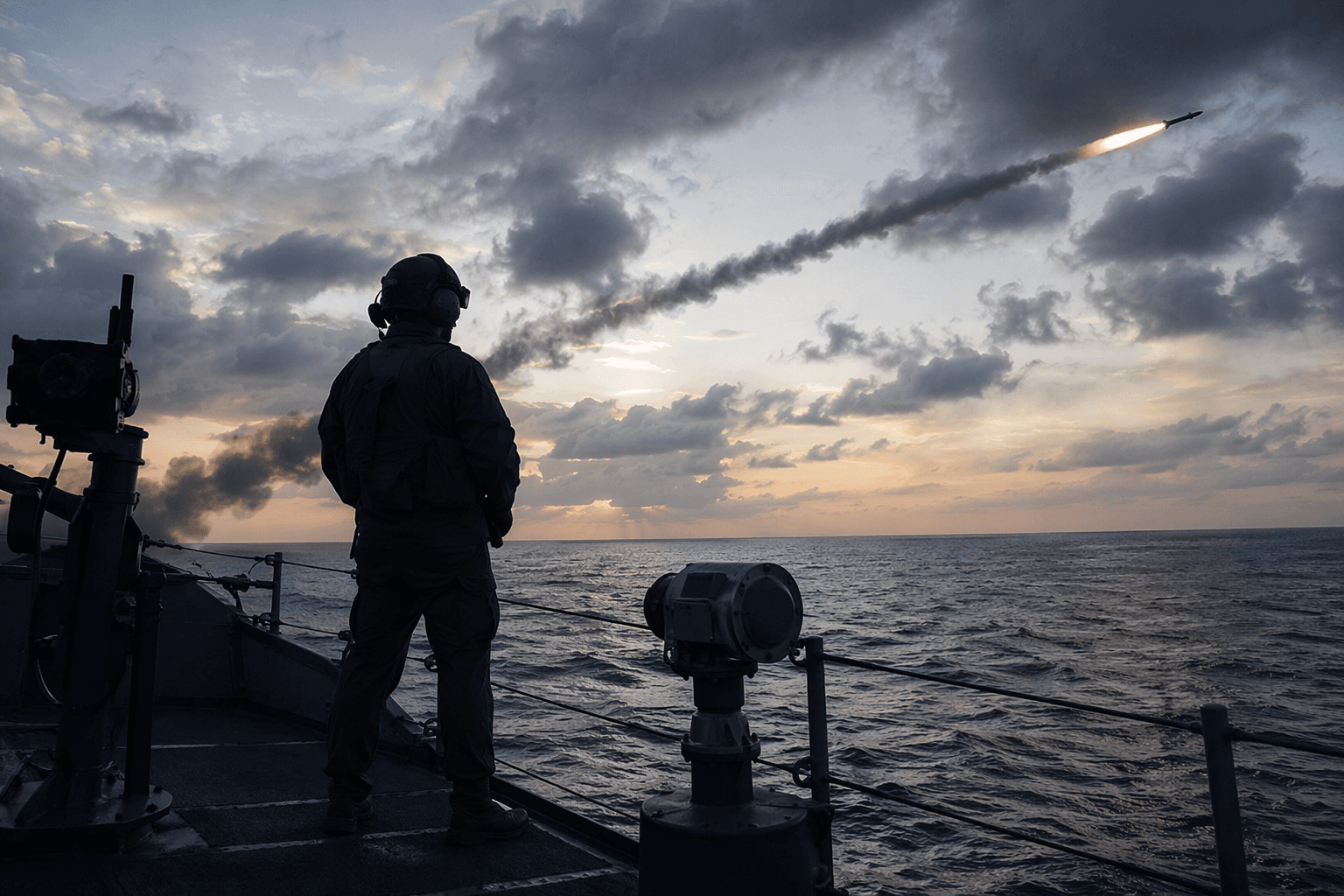
The geography matters. The Strait of Hormuz links the Persian Gulf to the Gulf of Oman and serves as a chokepoint for global energy shipments. Even without a direct hit on a tanker, the prospect of more drones, more radar outages or more retaliation can force shippers to reroute, slow down or pay higher insurance premiums. Those costs can move quickly through refined fuel markets, then into gasoline and diesel prices that U.S. households and freight carriers feel within days or weeks.
The latest strikes also deepened a broader regional escalation that has already touched Kuwait and Bahrain, where Iran fired missiles and drones at U.S.-linked targets. Reporting around the same period said U.S. forces had also hit Iranian coastal and radar-related sites in the Gulf, part of a widening campaign against surveillance and port infrastructure. That pattern suggests both sides are testing how much pressure they can apply without triggering a wider confrontation.
The risk for markets is not just another overnight exchange. It is whether repeated strikes near maritime chokepoints convince traders that the Gulf cease-fire cannot hold. If that happens, the first economic signals are likely to show up in tanker routes, insurance rates and crude futures before they appear at the pump. For American consumers, the vulnerability is familiar: a security crisis half a world away can still filter into heating bills, freight charges and the price of everyday goods.
This article was produced by Prism’s automated news system from verified source data, official records, and press releases, then run through automated quality and moderation checks before publishing. The system is built and supervised by the people who set the standards it runs under. Read our full AI policy.
Did this article answer your question?