U.S. shutdown slows World Cup security planning despite $625 million funding
A shutdown has slowed World Cup security planning even after $625 million was released, leaving furloughed staff and disrupted coordination to cover a 104-match event.
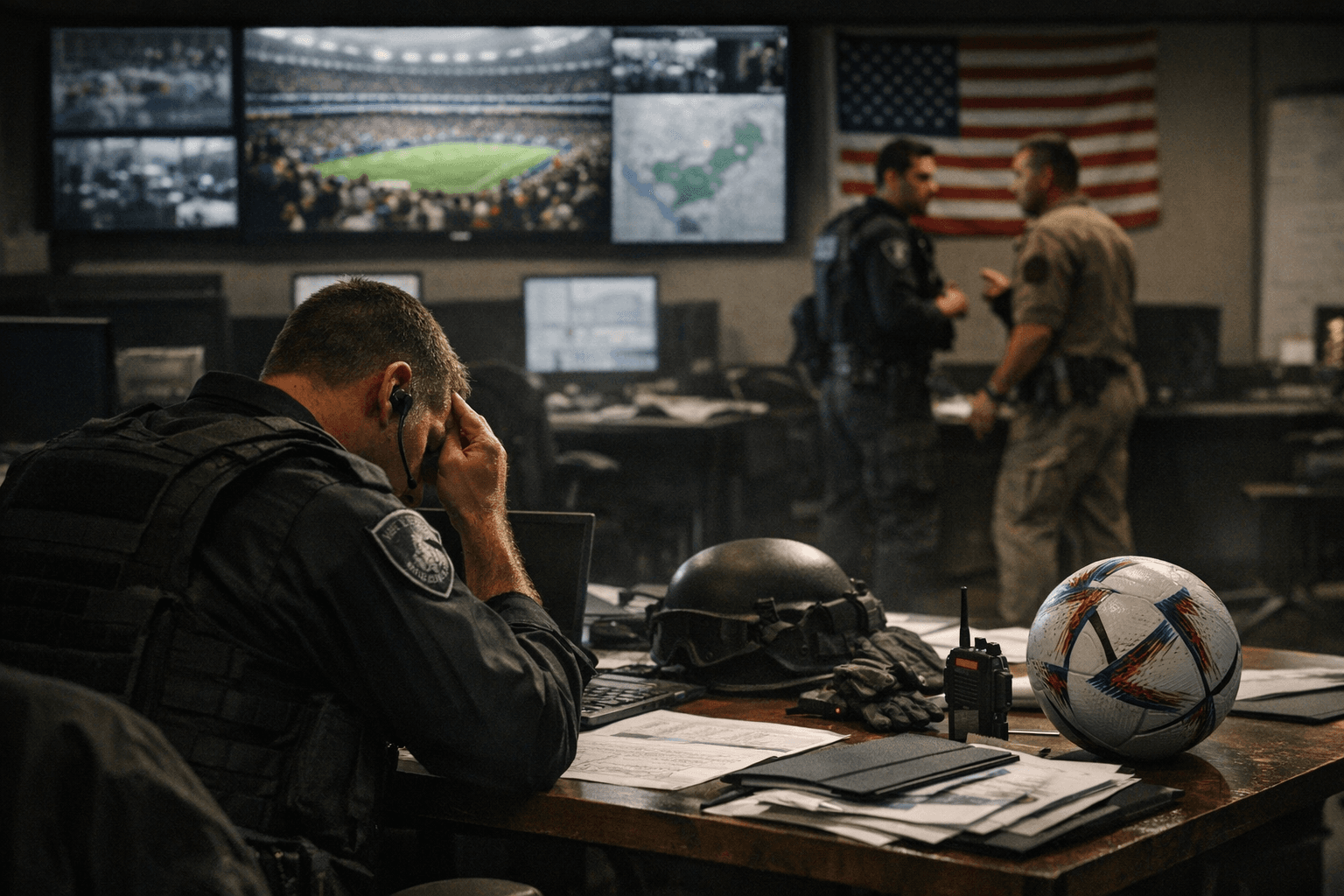
The money is in place, but the machinery to turn it into security has slowed. A Department of Homeland Security official told senators that the ongoing shutdown has furloughed staff, interrupted routine coordination and delayed planning for the 2026 World Cup, even after the federal government released $625 million for tournament security.
Christopher Tomney, director of DHS’s Office of Homeland Security Situational Awareness, said the lapse in appropriations had hampered work that cannot be done on funding alone. He told the Senate Appropriations Committee that FEMA had already distributed the grant money, but that planning for one of the largest sporting security operations ever attempted still depended on people, meetings and interagency coordination.
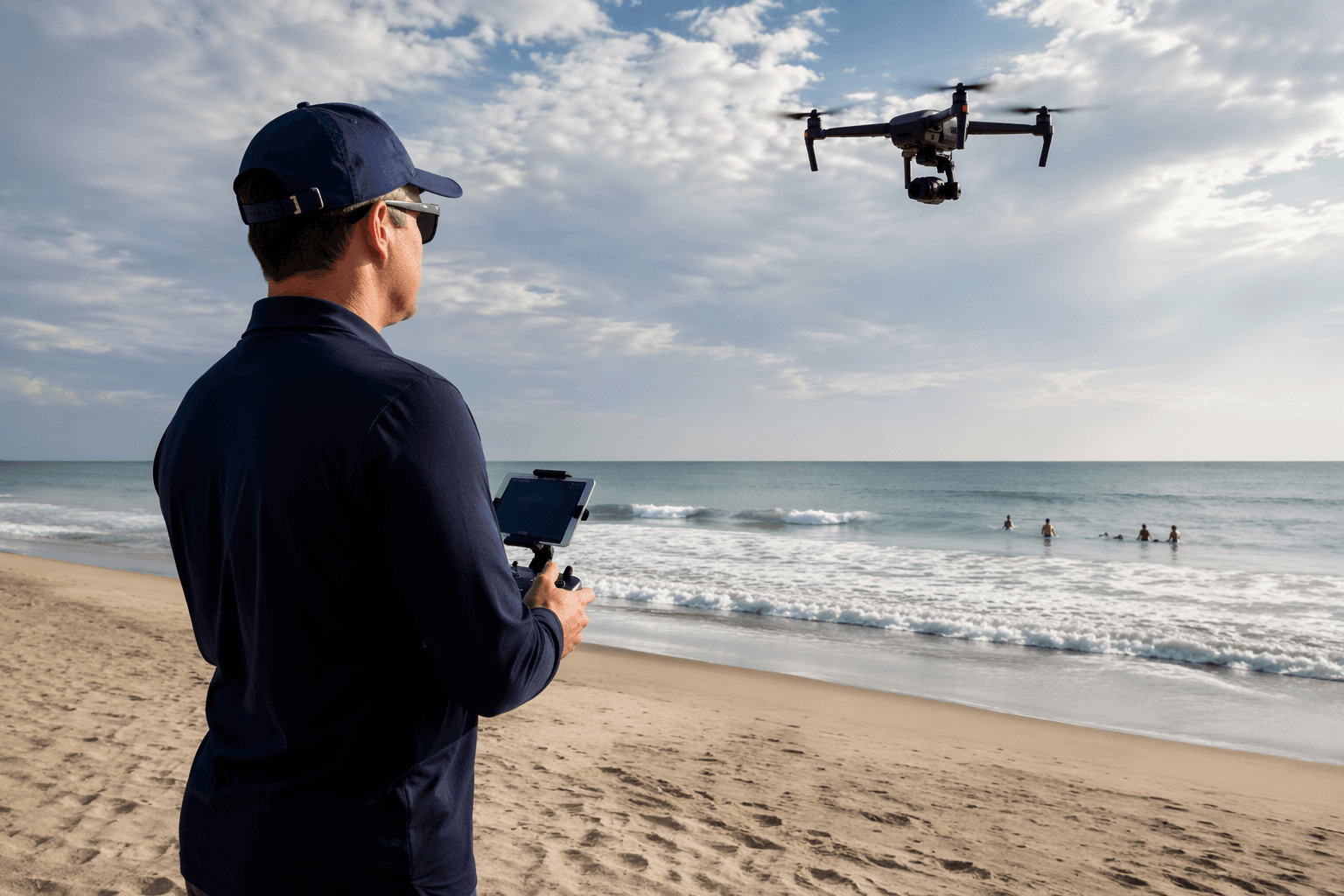
FEMA awarded the $625 million on March 18 through a new FIFA World Cup Grant Program for all 11 U.S. host cities. The money can support operational exercises, staff background checks, cybersecurity defenses and increased police and emergency response at stadiums, hotels and transportation hubs. FEMA had also announced $250 million through a Counter-Unmanned Aircraft Systems grant program for World Cup host states and the National Capital Region, widening the security perimeter beyond the venues themselves.
The stakes are considerable. FIFA says the tournament will include 104 matches across 16 host cities in Canada, Mexico and the United States, beginning with the opening match on June 11, 2026, in Mexico City and ending with the final on July 19, 2026, in New York/New Jersey. Intelligence briefings reviewed last month warned that extremists and criminals could target the event, making any delay in preparation more than an administrative nuisance.
Tomney also pointed to the loss of expertise caused by hundreds of Transportation Security Administration departures, underscoring how staffing gaps ripple through the broader security apparatus. The shutdown has now stretched past two months, leaving lawmakers unable to agree on funding for DHS while the department tries to prepare for a global event that will draw visitors, officials and security demands across Atlanta, Boston, Dallas, Houston, Kansas City, Los Angeles, Miami, Philadelphia, the San Francisco Bay Area, Seattle and New York/New Jersey.
DHS has created a World Cup 2026 Commission to advise the White House Task Force on the FIFA World Cup 2026, and the department says its planning structure is meant to support whole-of-government coordination and public-private partnership to assess and mitigate security and operational risks. That task was already multinational: Canada, Mexico and the United States held a peer-to-peer trilateral meeting on major event security in Washington on March 4 and 5. With the opening match less than two months away, officials still have time to close the gap, but the delay has made the race to readiness more urgent.
This article was produced by Prism’s automated news system from verified source data, official records, and press releases, then run through automated quality and moderation checks before publishing. The system is built and supervised by the people who set the standards it runs under. Read our full AI policy.
Did this article answer your question?