U.S. sinks Iranian boats as Strait of Hormuz attacks escalate
U.S. forces shot down missiles and drones, then sank small Iranian boats as the Strait of Hormuz fight spread to UAE ports and tankers.
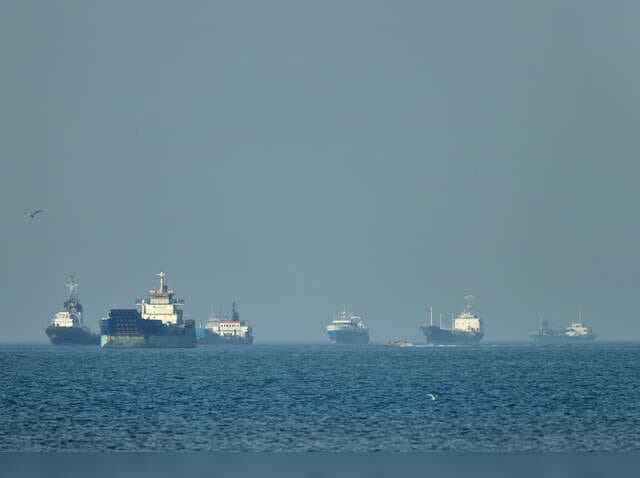
U.S. destroyers, Apache helicopters and missile defenses were thrown into a widening fight in the Strait of Hormuz on Monday as Washington moved to keep commercial shipping moving and Tehran pressed attacks on vessels and targets in the United Arab Emirates.
President Donald Trump announced a new effort to "guide" commercial ships not involved in the war with Iran through the strait, where hundreds of vessels had been stuck since the conflict began. U.S. forces launched the escort operation on May 4, and U.S. Central Command said Navy missile destroyers were operating alongside the escorts as traffic tried to pass the chokepoint.
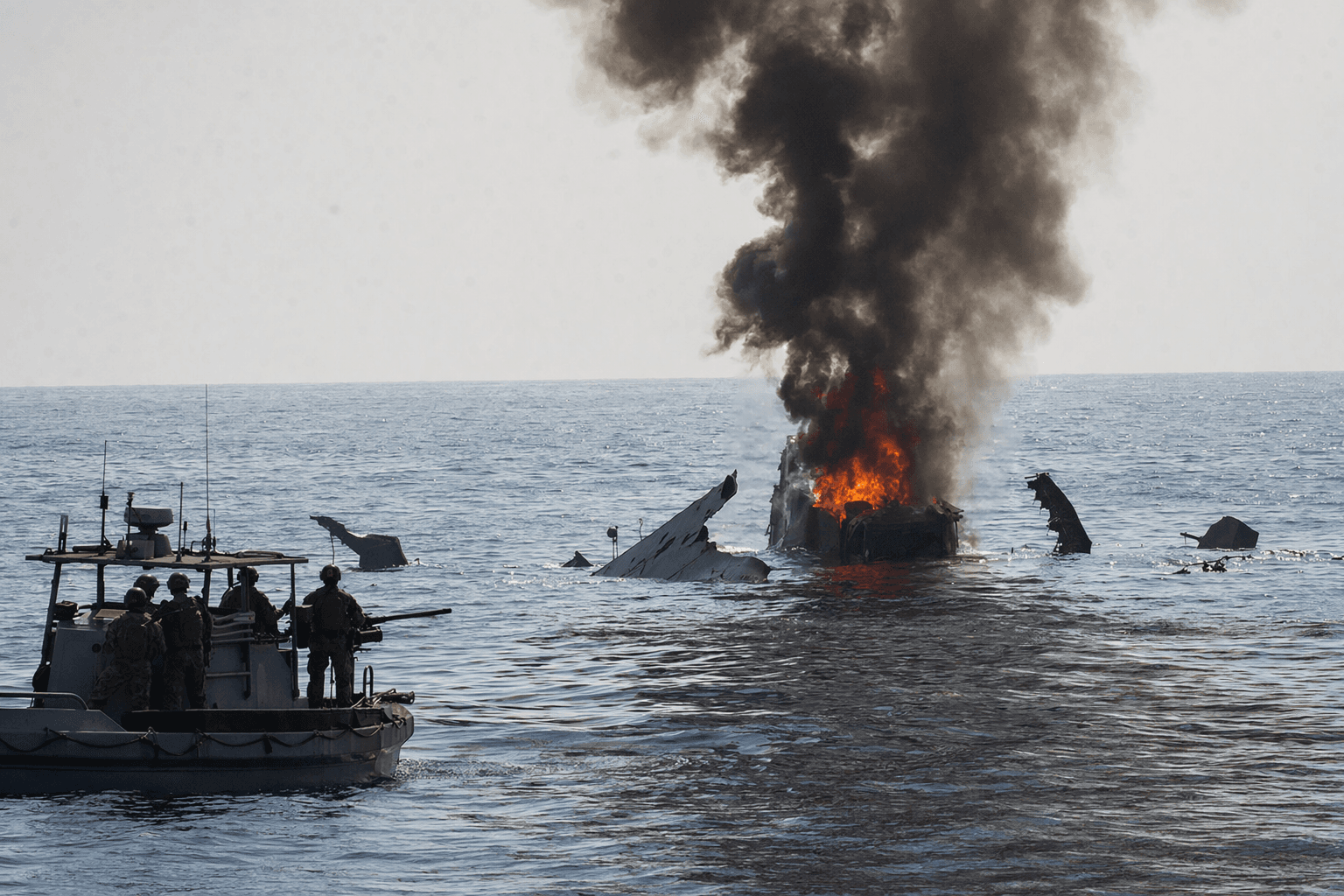
Adm. Brad Cooper said U.S. forces intercepted Iranian missiles and drones aimed at American vessels and defeated "each and every one" of the threats over roughly 12 hours. He said AH-64 Apache attack helicopters were used to eliminate small boats that were threatening commercial shipping, and no U.S. military ships were struck. Separate accounts put the number of destroyed Iranian boats at six or seven.
The fighting spilled beyond the waterway. The United Arab Emirates reported renewed missile alerts, and a fire broke out at an oil facility in Fujairah, the eastern port that helps bypass the Strait of Hormuz through pipeline infrastructure. A South Korean cargo ship also caught fire after an explosion in the strait, underscoring how quickly a local clash can hit tankers and civilian trade lanes.
Iranian military officials said Trump's shipping-escort plan violated a fragile ceasefire, and that warning raises the risk of another round of retaliation if Iranian forces try again to challenge U.S. escorts or merchant traffic. For the United States, the immediate question is not only whether more ships need protection in the next 24 to 72 hours, but whether the Pentagon can keep the passage open without taking direct hits or drawing in a broader regional war. The Strait of Hormuz remains one of the world's most dangerous energy chokepoints; any sustained disruption would ripple through oil markets, freight rates and the security posture of U.S. forces across the Gulf.
This article was produced by Prism’s automated news system from verified source data, official records, and press releases, then run through automated quality and moderation checks before publishing. The system is built and supervised by the people who set the standards it runs under. Read our full AI policy.
Did this article answer your question?


