U.S. solar makers seek probe into South Korean imports, tariff evasion
U.S. solar makers asked Commerce to probe Korean cell imports, saying Chinese-linked supply chains are skirting tariffs as new U.S. factories ramp up.

U.S. solar manufacturers are pressing Washington to police imports from South Korea just as they race to build more factories at home, sharpening the clash between keeping panels cheap and fast to deploy and forcing more of the supply chain onto American soil. Three panel makers, Canadian Solar, SEG Solar and Heliene, asked the Commerce Department on June 18 to open an anti-circumvention probe into solar cell imports they say are being routed through South Korea to avoid tariffs aimed at Chinese goods.
The petition was filed by or on behalf of a group calling itself American Manufacturers for Energy Resilience, and it argues that solar cells are the key building blocks of modules, not a minor input that can be ignored for trade purposes. The complaint targets producers including Hanwha Qcells, saying Korean supply chains are being used in a way that effectively sidesteps longstanding duties designed to catch Chinese products sent through third countries. In trade-law terms, the case could extend tariffs if Commerce decides the processing done abroad was minor rather than enough to make the goods genuinely Korean.
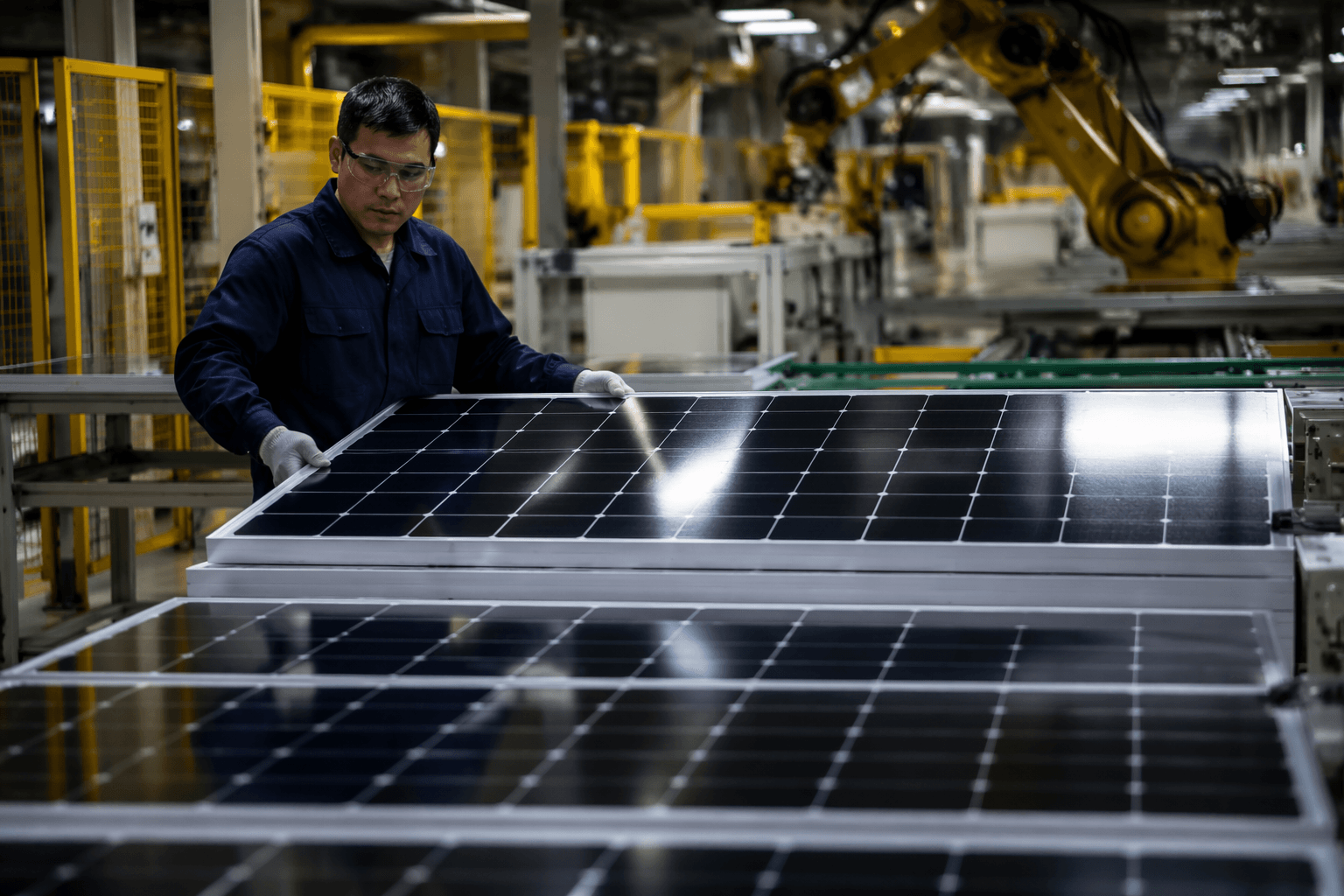
Qcells pushed back hard, saying it had invested billions of dollars in U.S. operations and intended to make all major components on American soil. The company had already started making solar cells at its Cartersville, Georgia factory on June 9, a milestone for U.S. solar manufacturing and a sign of how quickly the industry is trying to localize production. The dispute underscores the political sensitivity of a market where the same companies asking for tougher trade enforcement are also staking claims as domestic manufacturers.
SEG Solar adds to that tension. The company said on June 1 that it planned a third U.S. factory in Greater Houston, Texas, a 4.6-gigawatt facility that would lift its planned annual U.S. module-making capacity to 10.6 gigawatts. Those kinds of investments show why this fight matters well beyond customs classifications. If Commerce opens the probe, panel prices, sourcing decisions and project schedules could all be affected across the U.S. solar market, where developers are still adjusting to years of tariff changes, tax incentives and industrial-policy shifts.
The broader backdrop is a clean-energy sector increasingly fought through trade cases as much as climate policy. U.S. solar manufacturers have repeatedly turned to anti-dumping and anti-circumvention actions to counter alleged transshipment, including a 2024 petition by the American Alliance for Solar Manufacturing Trade Committee and 2025 cases targeting imports from Laos, Indonesia and India. The new South Korea case fits that pattern, and its outcome could help decide which companies are treated as bona fide American manufacturers and which are viewed as foreign competitors using globalized supply chains to keep their edge.
This article was produced by Prism’s automated news system from verified source data, official records, and press releases, then run through automated quality and moderation checks before publishing. The system is built and supervised by the people who set the standards it runs under. Read our full AI policy.
Know something we missed? Have a correction or additional information?
Submit a Tip