South Korea's chip boom makes SK Hynix and Samsung social status symbols
SK Hynix's brief market-value lead over Samsung has turned chip jobs into marriage-market gold in South Korea.

The chip boom has done more than lift profits at SK Hynix and Samsung Electronics. It has turned the two companies into social badges in South Korea, where a job in semiconductors is now being treated by some matchmakers as a fast track into the country’s most desirable marriage market.
SK Hynix briefly overtook Samsung Electronics on June 22 to become South Korea’s most valuable listed company, breaking a hierarchy that Samsung had held since first taking the top market-cap spot in 1999. That reversal carries extra symbolism because SK Hynix was once nearly crushed by debt two decades ago. Now its rise, driven by demand for high-bandwidth memory chips used in artificial intelligence systems, has made employees at both firms the kind of catch that matchmaking agencies say now rank alongside doctors and lawyers.

Son Dong-gyu, chief executive of Bien Aller, said workers at Samsung and SK Hynix have moved from roughly B+ or A-grade status to closer to “A+.” That shift is echoing beyond dating and marriage agencies. Students are chasing semiconductor careers, cram schools have rolled out interview-prep classes aimed at the two chip giants, and the competition for a seat in the industry is widening the definition of what counts as elite employment in an education-obsessed country.
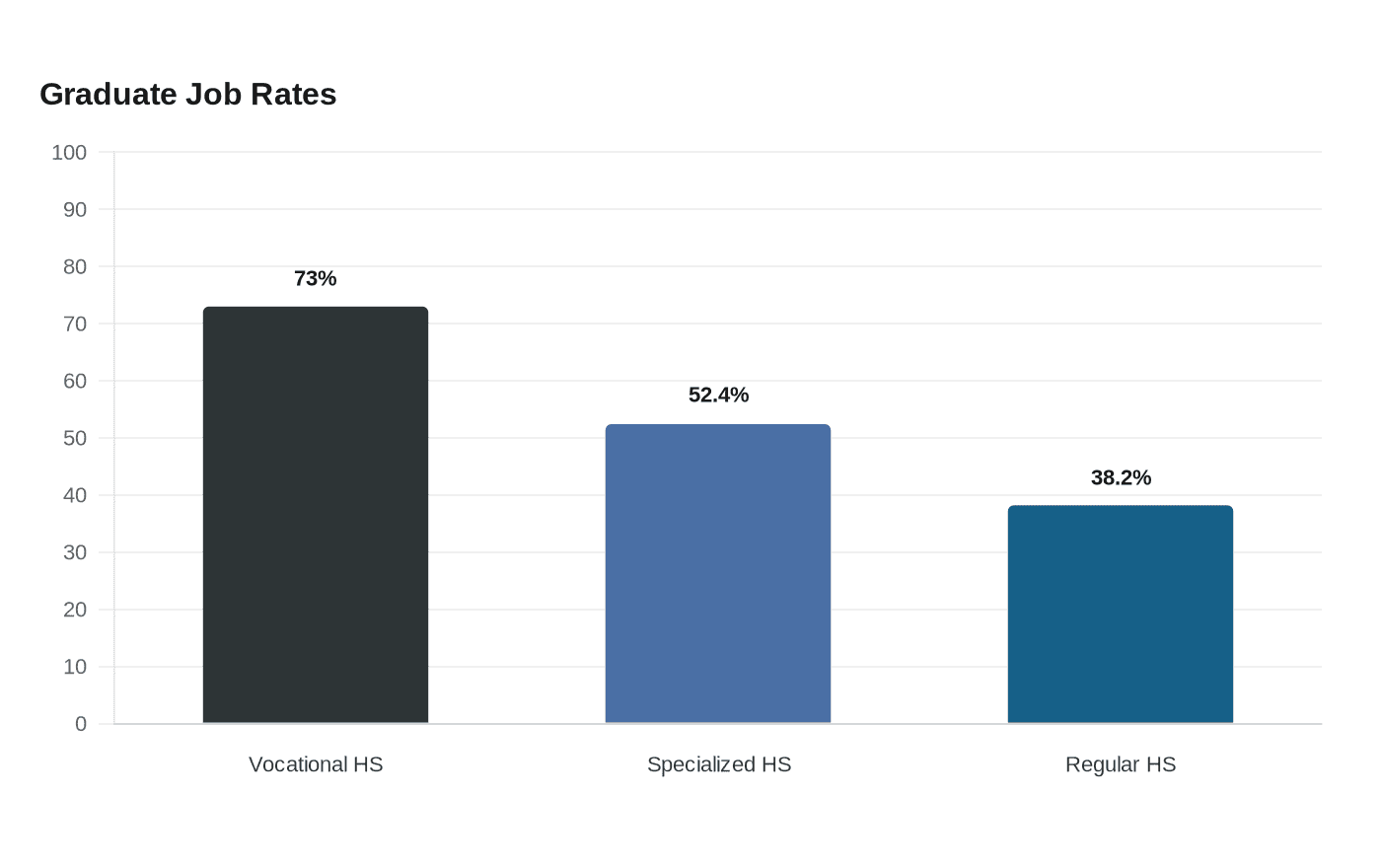
The prestige effect is spilling into vocational training as well. South Korea has 58 vocational high schools, four of them focused on semiconductors, with one more semiconductor school scheduled to open in Seoul in March 2027 and another in Yongin, Gyeonggi Province, in 2028. More than 73 percent of vocational high school graduates found jobs after graduation, compared with 52.4 percent of graduates from other specialized high schools and 38.2 percent of students in vocational tracks at regular high schools. For some students, that makes factory-floor semiconductor roles a more direct route to security than years spent chasing the country’s most crowded university pipeline.
The money is reinforcing the message. Samsung’s union-mediated pay deal in May included performance bonuses of around $416,000 for some chip workers and helped avert a planned strike involving about 48,000 domestic workers. Korean media also reported that prep-book sales for Samsung’s hiring exam rose 40 percent year on year in the first quarter, a sign that the chip boom is reshaping aspiration from classrooms to cram schools. In a labor market where one sector now signals income, stability and status at once, South Korea’s AI surge is redrawing the map of who is seen as employable, marriageable and elite.
This article was produced by Prism’s automated news system from verified source data, official records, and press releases, then run through automated quality and moderation checks before publishing. The system is built and supervised by the people who set the standards it runs under. Read our full AI policy.
Know something we missed? Have a correction or additional information?
Submit a Tip