U.S. Southwest pet owners warned as flesh-eating screwworm returns
A flesh-eating fly back in Texas is forcing pet owners to inspect any swelling, oozing wound, while ranchers brace for a parasite the U.S. spent decades eliminating.
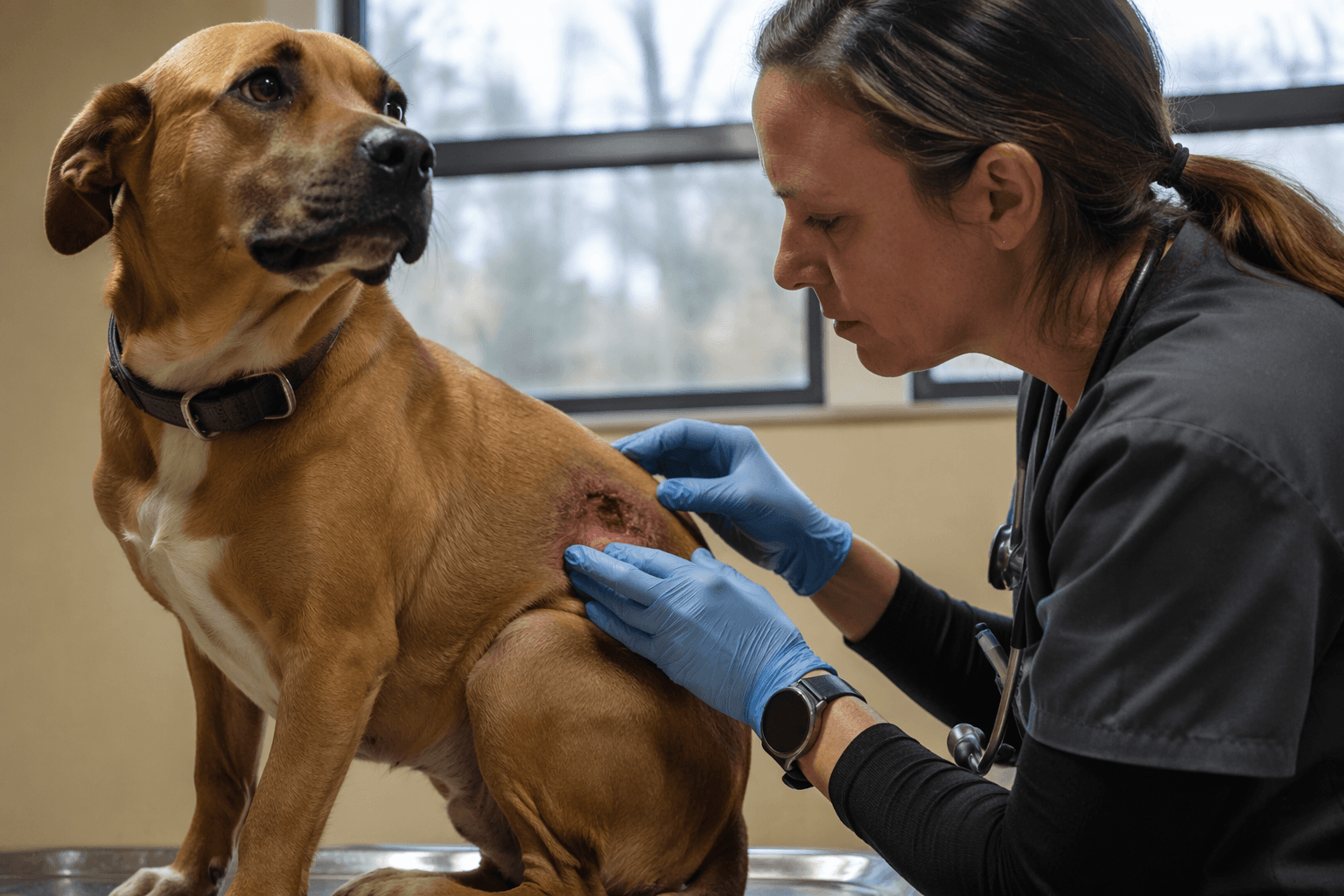
Pet owners in the U.S. Southwest are being told to check every suspicious wound on dogs and cats, especially if it swells, oozes pus, smells foul or refuses to heal. The warning is urgent because New World screwworm, a parasitic fly whose larvae feed on living tissue, has re-entered the region after decades away and can kill an animal if treatment is delayed.
The clearest red flags are wounds that worsen instead of closing, along with pain, excessive licking, chewing, lethargy and loss of appetite. The fly is about the size of a common housefly, with orange eyes, a metallic blue or green body and three dark stripes down its back. Its eggs are laid in open wounds or in body openings such as the nose, ears, mouth, eyes or genitals, and the smell of a wound can attract the female fly. Any suspicious sore should go to a veterinarian immediately.
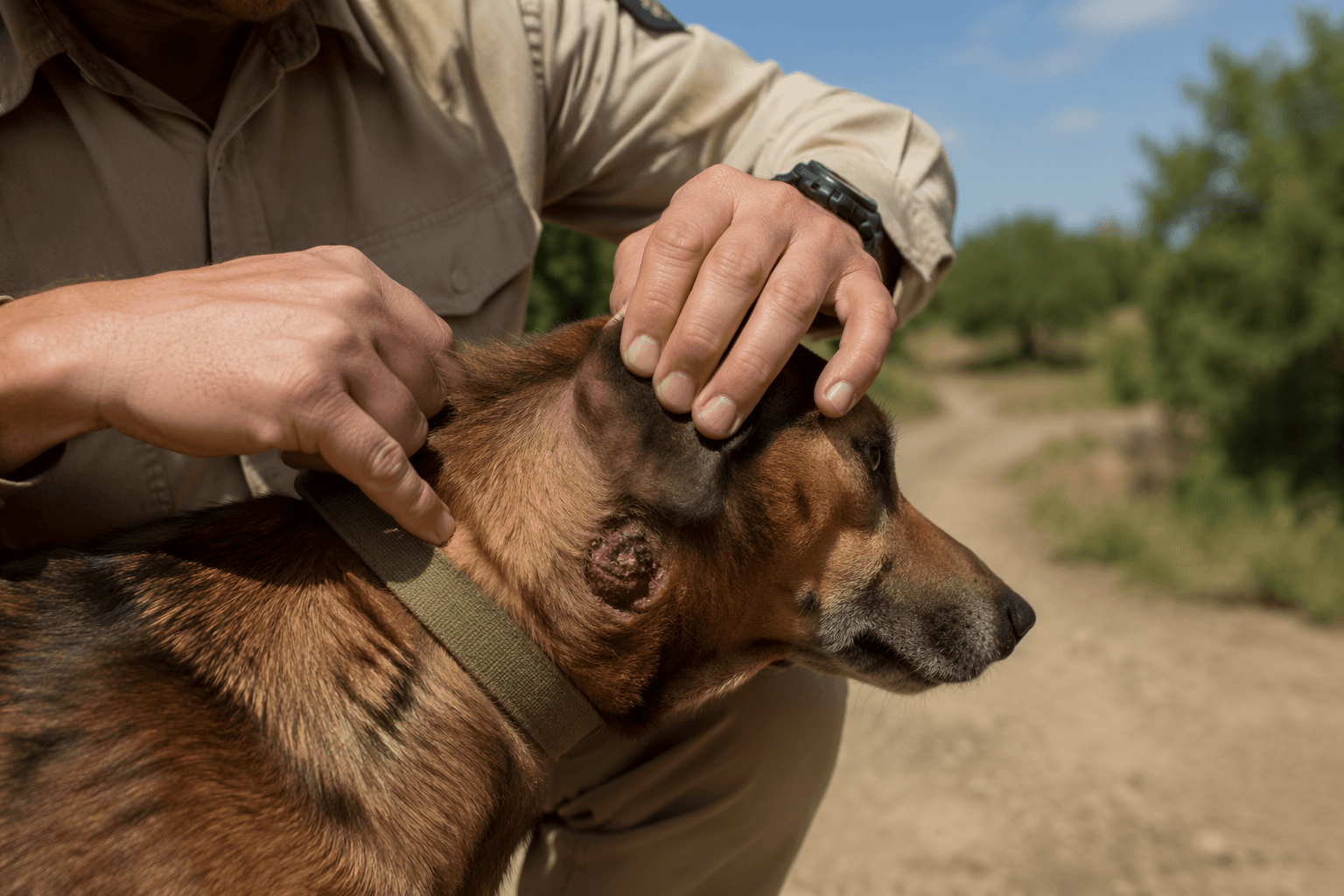
The current outbreak has moved northward through Central America and Mexico since 2023, according to federal health officials, and the first U.S. animal case in the current outbreak was confirmed in Texas on June 3, 2026. USDA later confirmed a case in La Salle County, Texas, on June 9, and said it is tracking multiple animal and wild-fly detections. No locally acquired human infestations have been reported in the United States, but the parasite still poses a serious threat to livestock, pets and wildlife, and can affect people as well.
Animals that travel to or from affected countries, especially places with active animal or human cases, face higher risk, and stray or roaming pets are especially vulnerable because untreated infestations can spread the parasite further. Monthly flea-and-tick prevention may help protect pets, but it does not replace a veterinary exam when a wound looks wrong. Early treatment usually means removing the larvae, cleaning the wound and giving antibiotics.
The broader stakes reach well beyond animal clinics. Screwworm was eradicated from the United States in the 1960s, from Mexico in the 1970s and from Central America in the early 2000s, after sterile-male programs pushed it south of the Darién Gap. USDA has now created a dedicated New World Screwworm Directorate within APHIS, while USDA and Panama’s Ministry of Agriculture Development jointly fund and manage the only sterile fly production facility now operating in North America through COPEG. The comeback is a warning that border surveillance, animal-disease preparedness and regional coordination will matter again if the parasite is kept from re-establishing itself across the Southwest.
This article was produced by Prism’s automated news system from verified source data, official records, and press releases, then run through automated quality and moderation checks before publishing. The system is built and supervised by the people who set the standards it runs under. Read our full AI policy.
Did this article answer your question?