U.S. Stocks Rise as Ceasefire Hopes Outweigh Energy Cost Concerns
Ceasefire optimism lifted the S&P 500 to a seventh straight gain, its longest winning run since October, even as oil climbed above $100 before retreating.
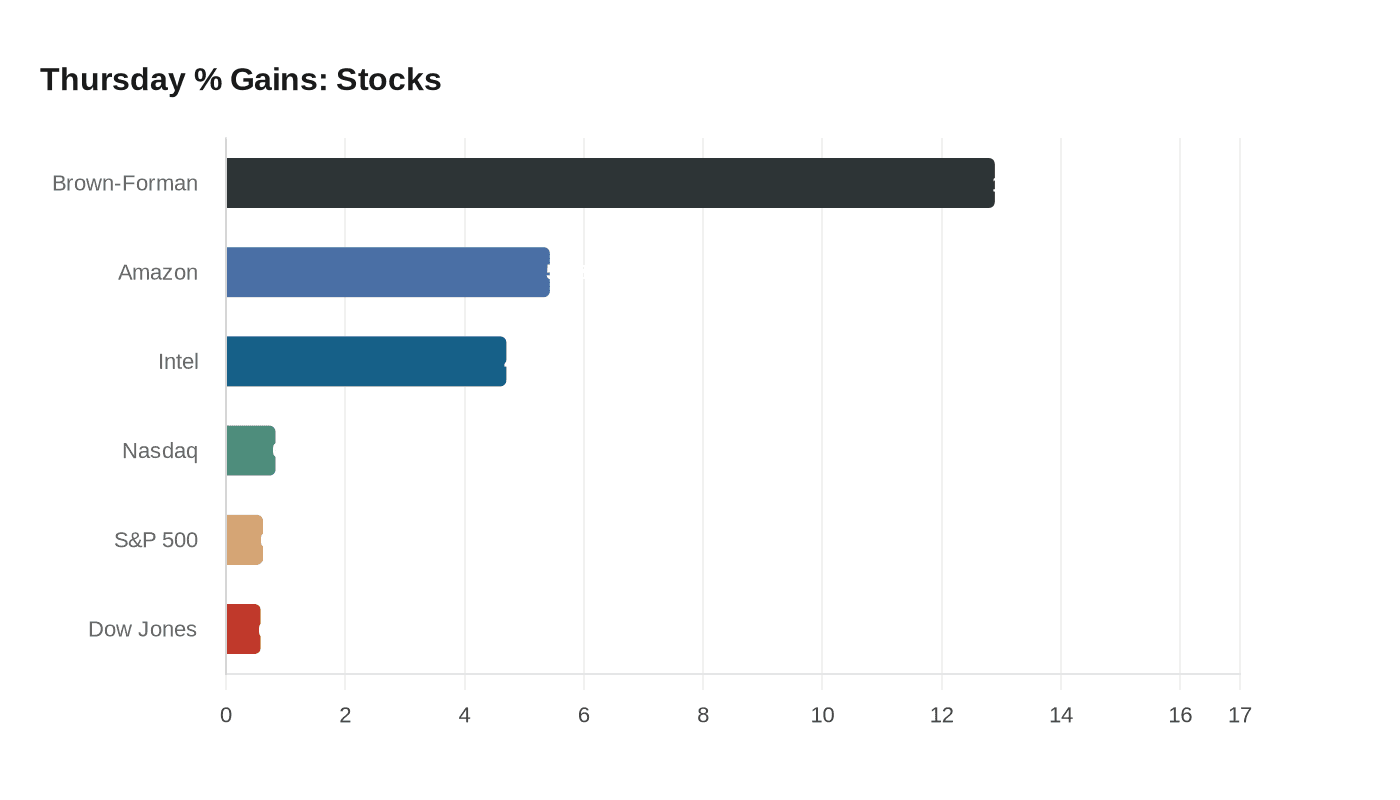
Wall Street extended its geopolitical relief rally on Thursday, pushing the S&P 500 to a seventh consecutive gain, its longest winning streak since October, as investors concluded that diplomatic momentum in the Middle East outweighed a fresh spike in crude prices. The S&P 500 rose 0.62% to close at 6,824.66. The Nasdaq Composite added 0.83% to settle at 22,822.42. The Dow Jones Industrial Average gained 275.88 points, or 0.58%, finishing at 48,185.80, turning the index positive for 2026 for the first time, up 0.25% on the year.
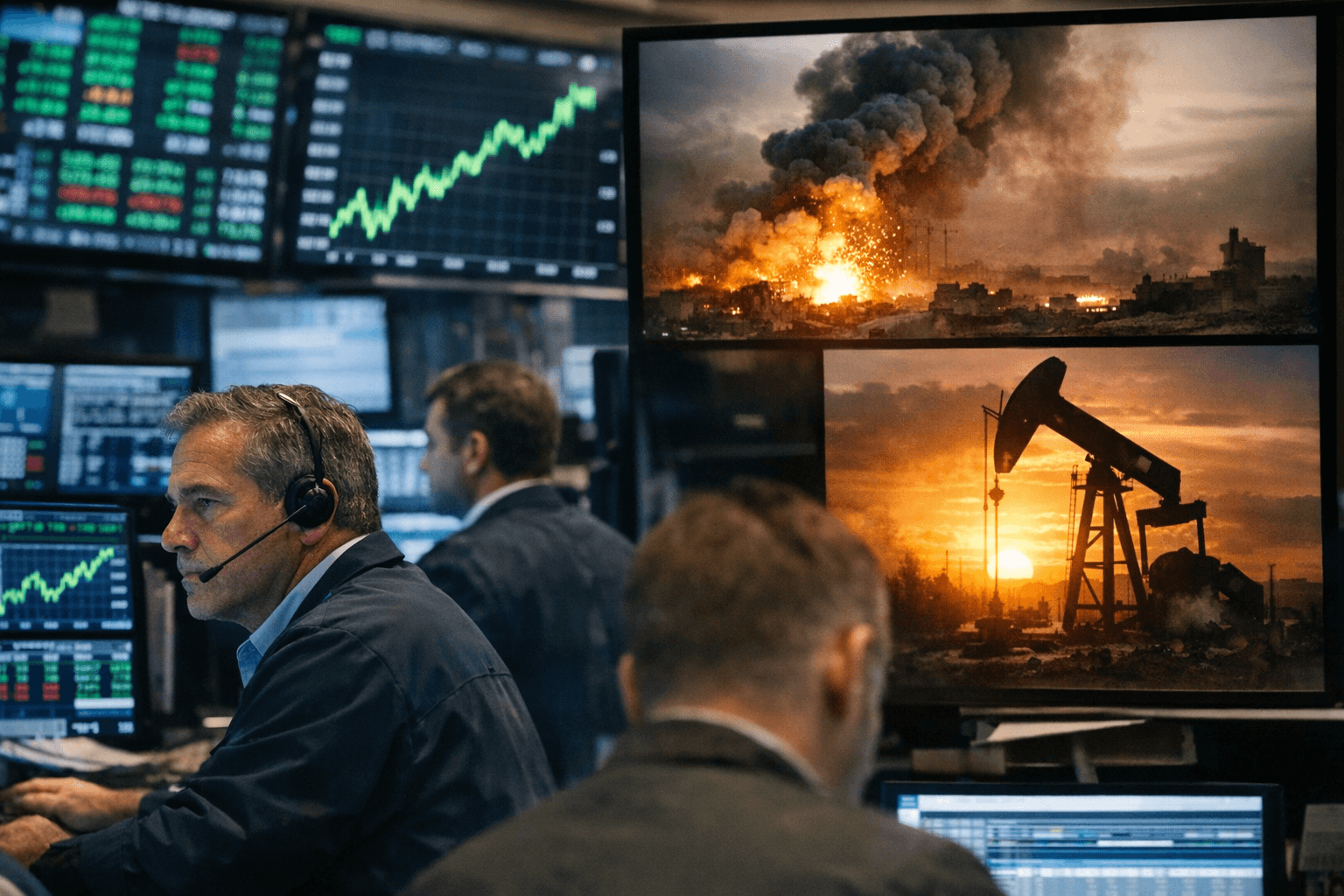
The session was not a straightforward risk-on day. West Texas Intermediate crude futures surged above $100 per barrel in early trading, reviving fears that persistent Strait of Hormuz disruptions could keep energy inflation elevated well beyond the initial shock. The rally in equities stalled until Israeli Prime Minister Benjamin Netanyahu announced he had agreed to direct talks with Lebanon, where Israel's military campaign against Hezbollah had become the central friction point threatening to unravel the two-week U.S.-Iran truce. WTI pulled back from its intraday highs to settle at $97.87, up more than 3% on the day. Brent crude closed at $95.92, adding more than 1%.
That sequencing matters for understanding what the market was actually pricing. The ceasefire itself, announced April 8, had already driven a massive repricing: the Dow surged 1,325 points on Wednesday for its best single session since April 2025, WTI cratered 16.41% to $94.41, and the S&P 500 jumped 2.51%. Thursday's gains were more granular, calibrated to headlines. When Iran's parliamentary speaker Mohammad Bagher Ghalibaf accused the U.S. of breaching the ceasefire by permitting continued Israeli strikes in Lebanon, futures pulled back. When Netanyahu signaled a willingness to negotiate, stocks recovered and oil retreated.
At the sector level, technology provided meaningful lift. Amazon rose 5.43% after CEO Andy Jassy's annual shareholder letter detailed how the company's in-house artificial intelligence chip business positions it for sustained profitability. Intel gained 4.70%. Spirit maker Brown-Forman surged 12.89% on reported takeover interest, one of the session's sharpest single-stock moves. The common thread was that de-escalation removes a discount applied broadly to cyclicals and growth stocks when conflict risk spikes; even partial diplomatic progress allows those multiples to recover.
On the macro side, February's Personal Consumption Expenditures report came in broadly in line with expectations, confirming that inflation was already sticky before the conflict drove energy prices higher. That leaves Thursday's data as a baseline, not a resolution. The more consequential read is Friday's March Consumer Price Index, which will capture the first full month of war-era energy prices and clarify how aggressively the Federal Reserve may need to respond if the ceasefire frays.
The forward-looking risk checklist is straightforward: Iran's claim that three elements of its 10-point truce proposal have already been violated, including an alleged drone incursion into Iranian airspace and Israeli strikes continuing in Lebanon, suggests the two-week window is under stress. Analysts at JPMorgan predicted tech stocks in particular could extend gains if hedge funds continue rebuilding equity exposure through April. But as one market strategist noted, "confidence is improving but fragile; any new intelligence or military development could rapidly change the tone." The Strait of Hormuz remains largely blocked, and until tanker traffic resumes at scale, energy markets will stay sensitive to every diplomatic signal out of Tehran, Jerusalem, and Washington.
This article was produced by Prism’s automated news system from verified source data, official records, and press releases, then run through automated quality and moderation checks before publishing. The system is built and supervised by the people who set the standards it runs under. Read our full AI policy.
Did this article answer your question?

