U.S. Strikes Destroyed Only a Third of Iran's Missile Arsenal, Intelligence Shows
Intelligence shows the U.S. has confirmed destroying only a third of Iran's missile arsenal, directly contradicting Trump's claim Iran has "very few rockets left."
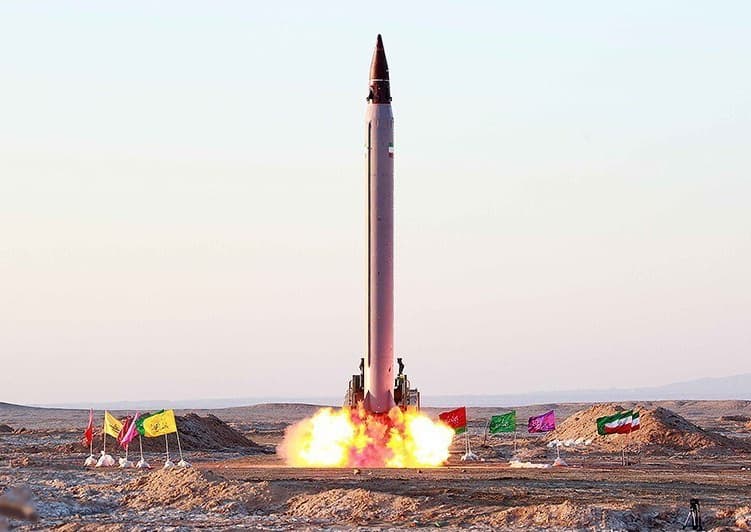
Nearly a month into the U.S.-Israeli air campaign against Iran, American intelligence has reached a deeply uncomfortable conclusion: despite more than 10,000 strikes on Iranian military targets, the United States can only confirm with certainty that it has destroyed about one-third of Iran's vast missile arsenal.
The assessment, drawn from five people familiar with U.S. intelligence, directly undercuts the picture President Donald Trump painted just days ago. "Iran has 'very few rockets left,'" Trump declared publicly. At a televised Cabinet meeting, he added: "We say we got 99 percent. 1 percent is unacceptable, because 1 percent is a missile going into the hull of a ship that cost a billion dollars."
The intelligence picture is far murkier than that. The status of roughly another third of Iran's missile stockpile remains unclear, with analysts believing those weapons were likely damaged, destroyed, or buried deep inside underground tunnels and hardened bunkers when U.S. strikes hit their entrances. A similar degree of uncertainty applies to Iran's drone capability, according to one of the sources.
Central Command, which is overseeing the air campaign, has sunk 92 percent of the Iranian navy's large vessels and has acknowledged that Iran's missile launch rate fell 86 percent within four days of the offensive's opening. But the command has declined to state publicly how much of Tehran's missile and drone capability has actually been eliminated. A core part of the problem is that intelligence officials cannot determine with precision how many missiles Iran had stockpiled in underground bunkers before the fighting began.
Satellite imagery reviewed by analysts shows four of Iran's key ballistic missile manufacturing sites and at least 29 launch sites sustained damage in the first four weeks of the campaign. Iran operates what may be the largest ballistic missile arsenal in the Middle East, and the country's underground "missile cities," developed over decades specifically to survive airstrikes, have complicated any clean accounting.
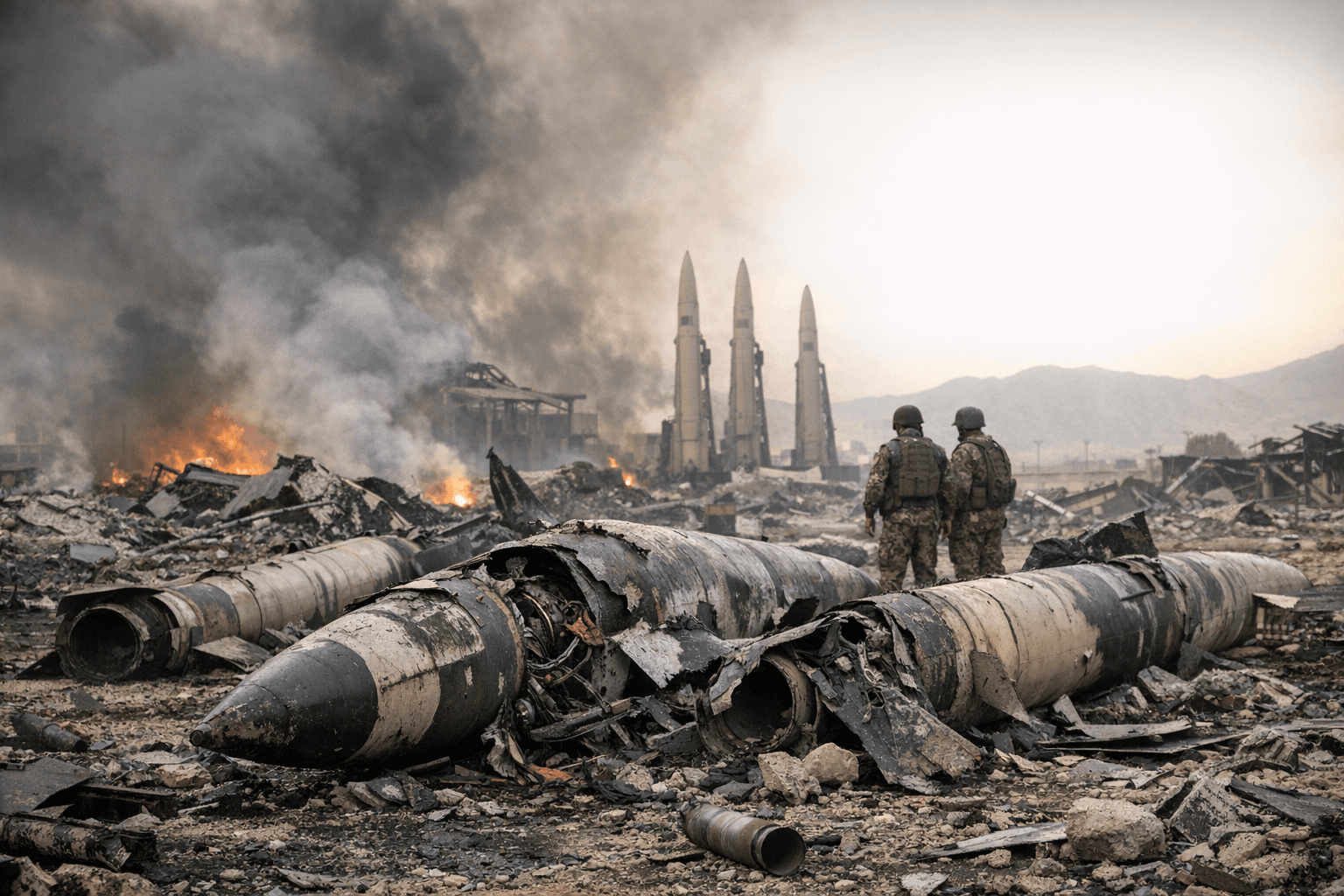
The gap between confirmed destruction and actual capability carries direct strategic consequences. Remaining Iranian missiles and drones continue to threaten both U.S. regional bases and any future operations to reopen the Strait of Hormuz, the maritime chokepoint through which roughly 20 percent of the world's traded oil flows. The strait has been effectively closed for nearly four weeks, sending global energy markets into prolonged disruption.
An Iranian missile struck a U.S.-linked airbase in Saudi Arabia during the campaign, wounding American service members and damaging aircraft, demonstrating that Tehran's remaining arsenal is not merely theoretical.
The Pentagon and White House did not respond to requests for comment on the intelligence assessment. With the conflict nearing its one-month mark and no diplomatic off-ramp yet visible, the unverified two-thirds of Iran's missile inventory remains the central unresolved variable in every military scenario being weighed in Washington.
This article was produced by Prism’s automated news system from verified source data, official records, and press releases, then run through automated quality and moderation checks before publishing. The system is built and supervised by the people who set the standards it runs under. Read our full AI policy.
Did this article answer your question?


