U.S. strikes Iran as ceasefire talks continue, DOJ speeds deportations
U.S. strikes hit southern Iran while negotiators met in Qatar on a ceasefire extension. The DOJ is also packing immigration hearings to speed deportations.

The United States widened its military pressure on Iran even as ceasefire diplomacy kept moving in Qatar, a split-screen moment that underscored how quickly executive power is being pushed toward force and speed. U.S. Central Command said it carried out “self-defense strikes” in southern Iran to protect U.S. troops, including attacks on missile launch sites and boats allegedly placing mines.
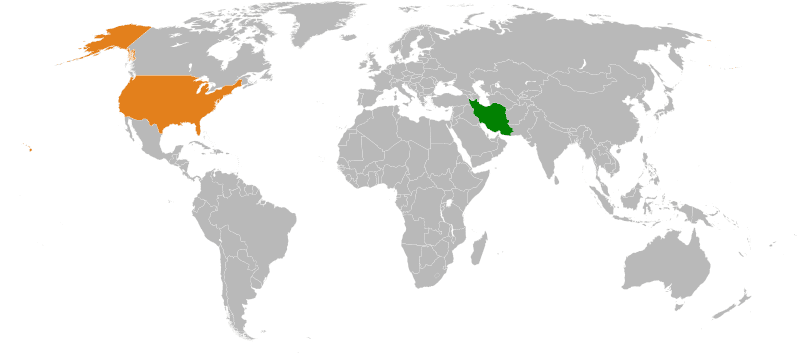
The timing sharpened the contradiction. Iranian and U.S. negotiators were meeting in Qatar while the strikes were underway, and the talks were tied to a possible extension of the ceasefire, the Strait of Hormuz and Iran’s nuclear program. Reporting also said a memorandum of understanding was being discussed, even as the ceasefire remained fragile and repeatedly interrupted by follow-on attacks. Iran has warned that it could respond to any ceasefire violations, raising the risk that the conflict could spread and disrupt global shipping and energy markets.
That same reliance on acceleration is now reshaping immigration court. Immigration attorneys and the American Immigration Lawyers Association say some courts are scheduling “mega masters,” mass master calendar hearings with 100 or more respondents at a time. Master calendar hearings are normally routine preliminary sessions for pleadings, scheduling and other non-final matters. Attorneys say the new practice turns those hearings into a pressure point designed to move cases faster and increase deportation orders.
The stakes are high because the immigration court system is already carrying roughly 3.8 million deportation cases. Lawyers and advocates say packing so many people into a single hearing creates due process problems, making it harder for immigrants to find counsel, prepare responses or even arrive on time. The concern is especially acute for people who are unrepresented, who can be overwhelmed before their case is ever heard on the merits.
The Justice Department has already used other fast-track removal tactics, including moving to dismiss some pending cases and then arresting immigrants afterward. Taken together, the military strikes and the immigration drive show the same governing impulse under strain: justify the emergency, move quickly, and use exceptional measures before scrutiny can slow them down.
This article was produced by Prism’s automated news system from verified source data, official records, and press releases, then run through automated quality and moderation checks before publishing. The system is built and supervised by the people who set the standards it runs under. Read our full AI policy.
Did this article answer your question?