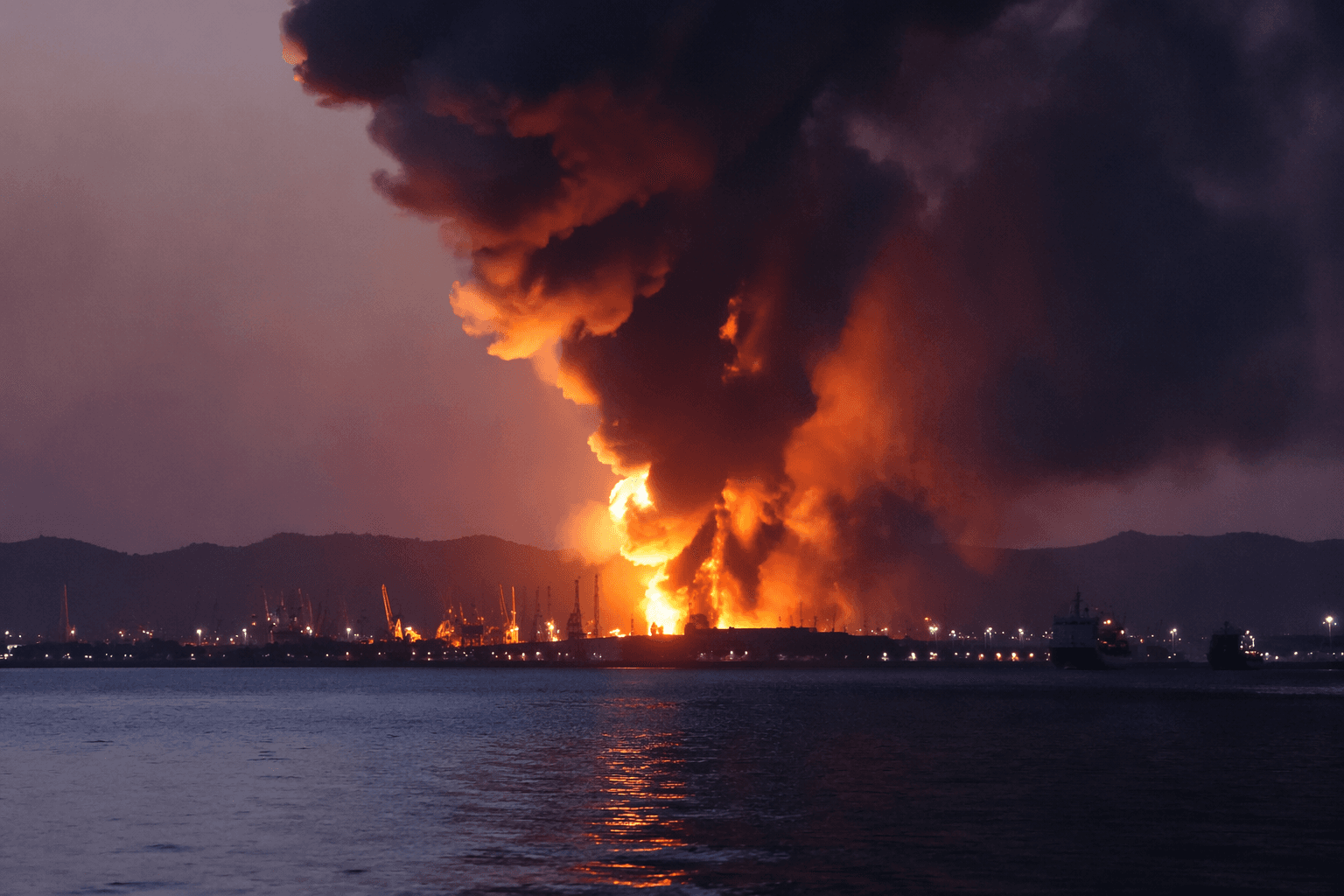
U.S. strikes Iran near Strait of Hormuz as ceasefire talks continue
U.S. strikes hit Iranian missile sites and boats near Bandar Abbas as ceasefire talks continued in Doha, heightening risks to Hormuz shipping and oil markets.
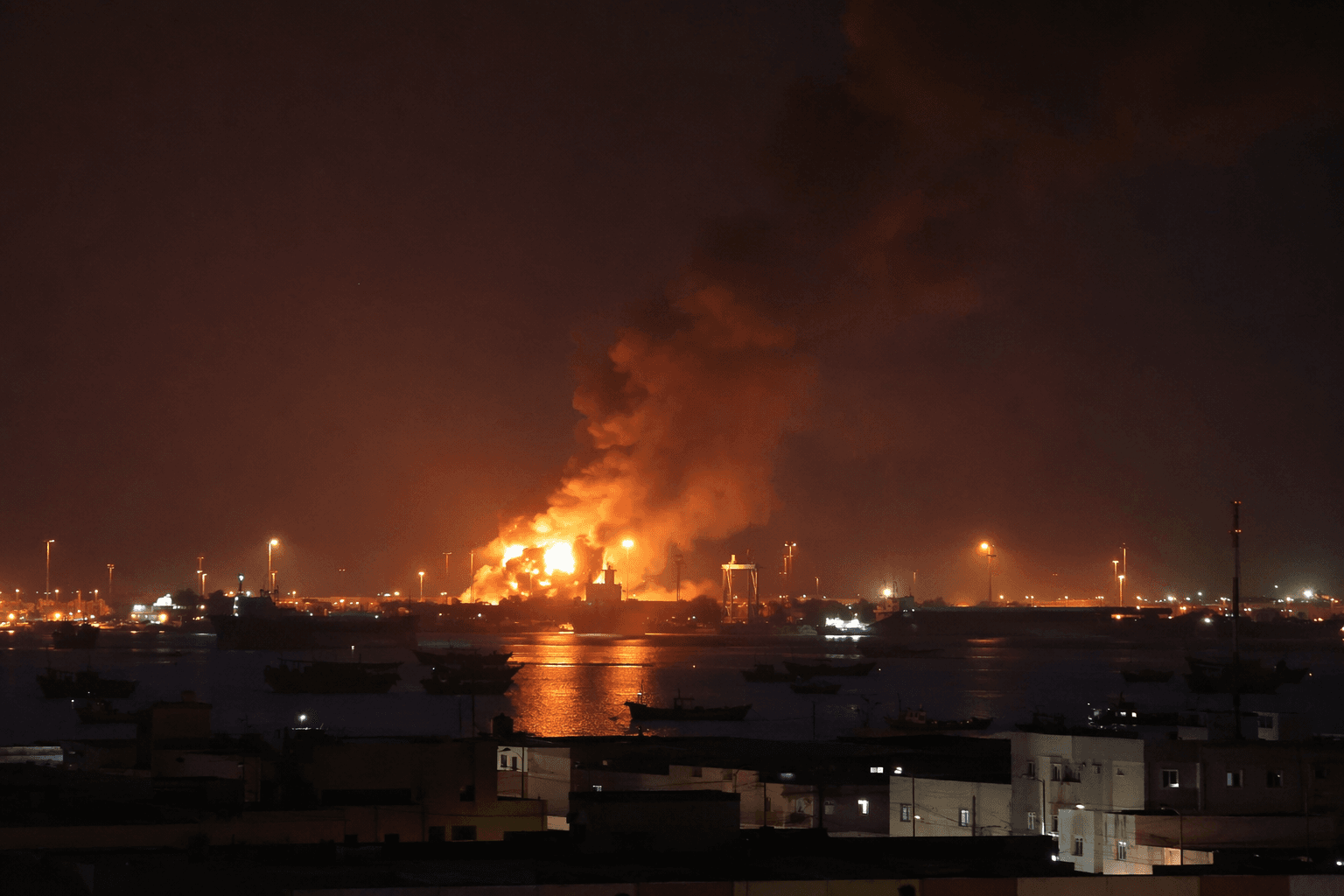
U.S. strikes near the Strait of Hormuz raised the stakes far beyond the battlefield, hitting missile launch sites and Iranian boats near Bandar Abbas while negotiators were still trying to keep a fragile ceasefire alive. U.S. Central Command called the attacks “self-defense strikes” and said it was acting “to protect our troops from threats posed by Iranian forces,” even as it said it was still exercising restraint during the truce.
The strikes landed in southern Iran, close to one of the world’s most sensitive energy corridors. Iranian state media reported explosions in Bandar Abbas and nearby coastal areas along the strait, and Iranian sources said several Islamic Revolutionary Guard Corps personnel were killed. AP reported that four Guard troops were killed in strikes on boats. The IRGC warned it would “respond decisively to any violation of the ceasefire,” underscoring how quickly the situation could escalate if either side concludes the truce has been broken.
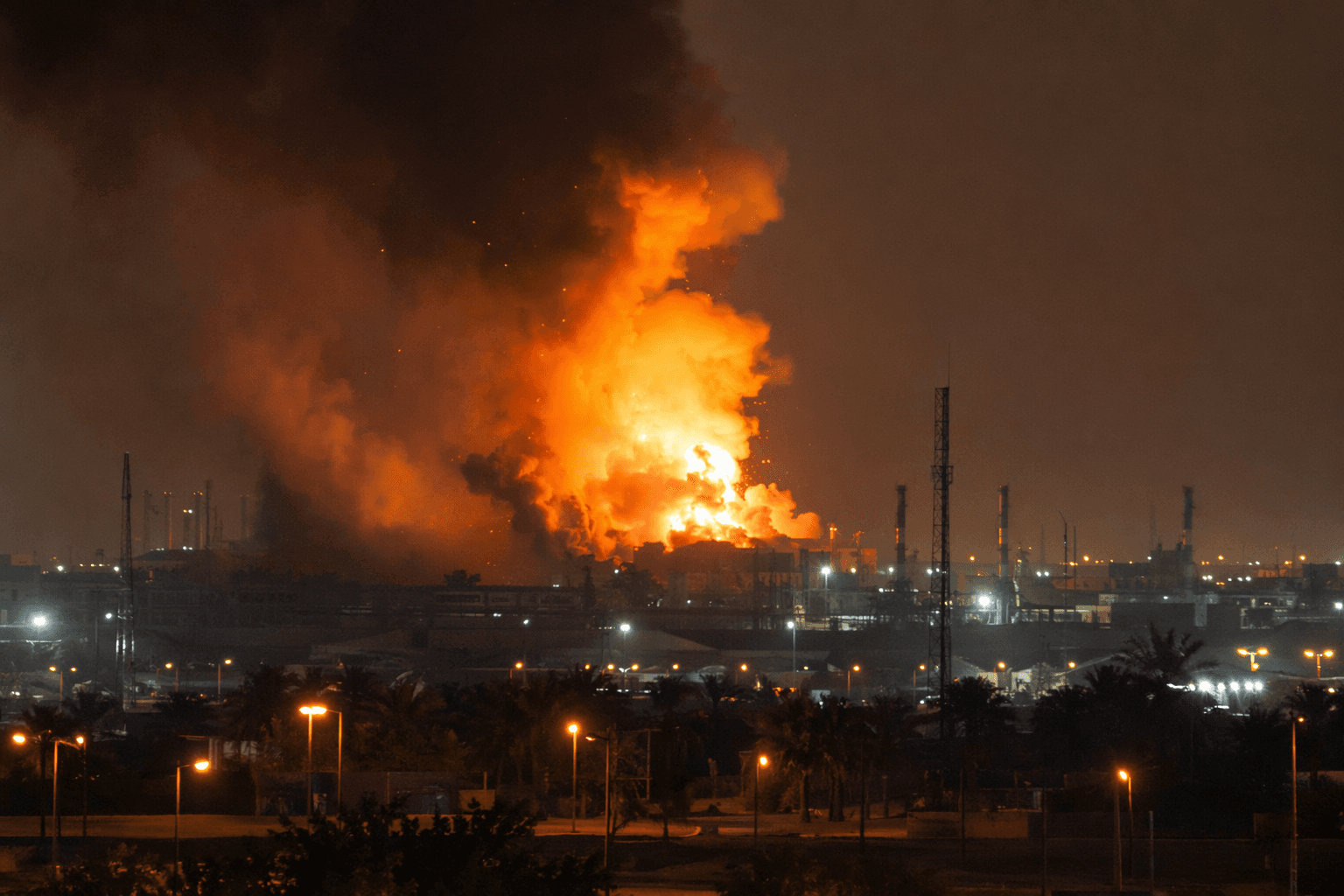
The temporary U.S.-Iran ceasefire reportedly took effect on April 8, 2026, but the latest strikes were not the first since then. What made this round more dangerous was the timing: the attacks came while a high-level Iranian delegation was in Doha for talks with Qatari officials over a possible deal. The delegation included Foreign Minister Abbas Araghchi and Parliament Speaker Mohammad Bagher Ghalibaf, a sign that the negotiations had moved to a more senior political level even as military pressure continued.
In Washington, officials tried to keep the diplomatic window open. Secretary of State Marco Rubio said a potential agreement could take a couple of days to settle, while President Donald Trump said negotiations with Tehran were “proceeding nicely.” But the talks were not finished, and Iran said a signing was not imminent. That gap between progress and finality is exactly where miscalculation becomes most likely.
The economic risk is immediate. The Strait of Hormuz is a critical global energy chokepoint through which a large share of the world’s oil and gas flows. Even a short disruption could ripple through shipping schedules, insurance costs and energy prices well beyond the Gulf. By striking near Bandar Abbas, the U.S. signaled that it will answer perceived threats against its forces; by keeping talks alive in Doha, both sides also signaled they still see a path to a deal. The contradiction is the danger: diplomacy is moving, but so is the war.
Know something we missed? Have a correction or additional information?
Submit a Tip