U.S. strikes southern Iran as talks continue over ceasefire
U.S. strikes hit missile sites and mine-laying boats in southern Iran as negotiators met in Doha, raising the risk of a wider clash around the Strait of Hormuz.
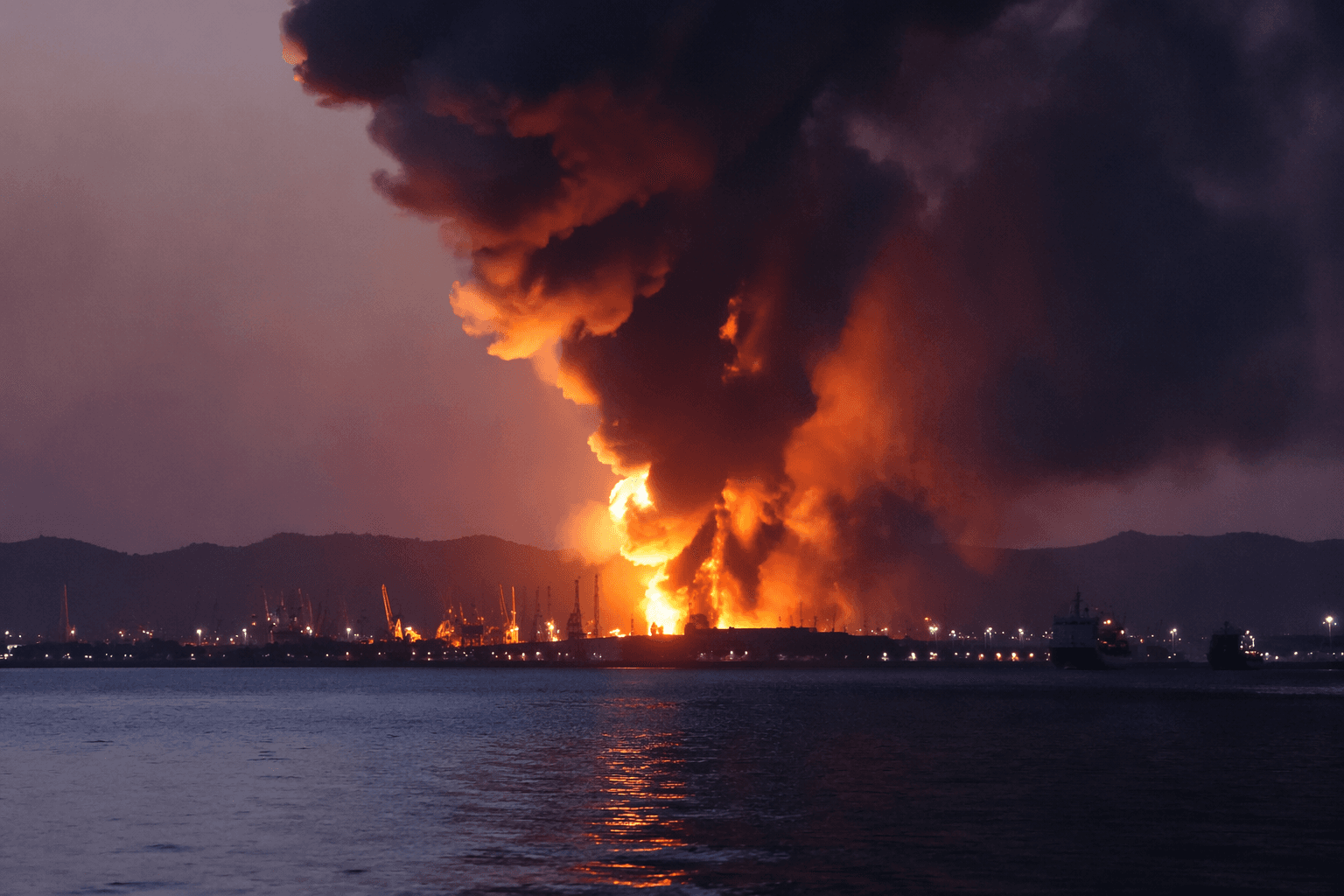
American forces renewed strikes in southern Iran on May 25 and 26, hitting missile launch sites and boats they said were trying to lay mines, while Iranian negotiators were in Doha, Qatar, for ceasefire talks with Washington. U.S. Central Command said the attacks were meant to protect American troops from threats posed by Iranian forces, and media reports said explosions were heard in Bandar Abbas, the southern port city near the Strait of Hormuz.
The immediate danger over the next 24 to 72 hours is not a single battlefield breakthrough but a faster climb up the escalation ladder. If Iranian forces keep moving mines, drones or missiles toward shipping routes or U.S. positions, American commanders could answer with more strikes on launch sites, boats and air defenses. If either side reads the other’s move as a breach of the ceasefire track, the talks in Doha could lose momentum before negotiators can settle the language of a deal.
Iran’s Islamic Revolutionary Guard Corps added to that pressure by saying it shot at an intruding F-35 fighter jet and downed a U.S. MQ-9 drone, while warning of retaliation for any ceasefire violations. That message matters for American troops and regional bases because it signals that Tehran may treat surveillance flights, naval patrols and missile-defense activity as fair game if the fighting expands. It also raises the odds of a miscalculation, especially in crowded airspace and sea lanes near southern Iran.
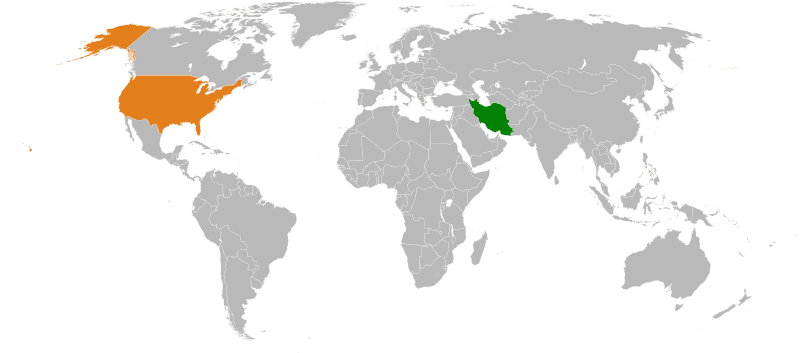
The Strait of Hormuz is the central economic flashpoint. Marco Rubio said on May 26 that it had to be open “one way or the other,” and he said the negotiating language of any deal with Iran could “take a few days.” That leaves a narrow window in which diplomacy and force are moving at the same time: talks in Doha are still alive, but oil markets, shipping companies and allied militaries are already pricing in the risk that one more attack could disrupt the world’s most important energy chokepoint.
For now, the most serious near-term scenarios are straightforward. If the U.S. believes Iranian mines or missiles threaten troops or shipping, more strikes are likely. If Iran answers with drones, air defenses or harassment near Bandar Abbas or the Strait of Hormuz, the conflict could widen quickly. If the Doha talks stall, the region could move from ceasefire talks to a prolonged confrontation with American forces squarely in the middle.
Know something we missed? Have a correction or additional information?
Submit a Tip