U.S. Strikes Iran Nearly Every Hour as Strait of Hormuz Ships Come Under Attack
On day 12 of the U.S.-Iran war, American forces have hit more than 5,500 targets inside Iran while maritime attacks near the Strait of Hormuz threaten global oil supplies.

American forces are striking Iran at a relentless pace, with the U.S. military's top commander in the region reporting near-hourly strike waves as the conflict enters its twelfth day, driving up costs already exceeding $11.3 billion and raising fears of a widening humanitarian and economic catastrophe.
Admiral Brad Cooper, who leads U.S. Central Command and oversees Operation Epic Fury, said Wednesday that more than 5,500 targets inside Iran have been struck since the conflict began, including more than 60 ships. "Just yesterday, we had strike waves nearly every hour from different locations and directions going into Iran," Cooper said. He also announced the destruction of an entire class of Iranian naval vessels: "We took out the last of four Soleimani class warships. That's an entire class of Iranian ships now out of the fight."
Those claims are official U.S. military statements and have not been independently verified. Cooper added that American forces "continue delivering devastating combat power against the Iranian regime." Some 50,000 U.S. service members are currently deployed across the Middle East.
The financial toll is staggering. The Pentagon told Congress the first six days of the war cost the United States at least $11.3 billion, a figure that does not yet account for the fighting since then.
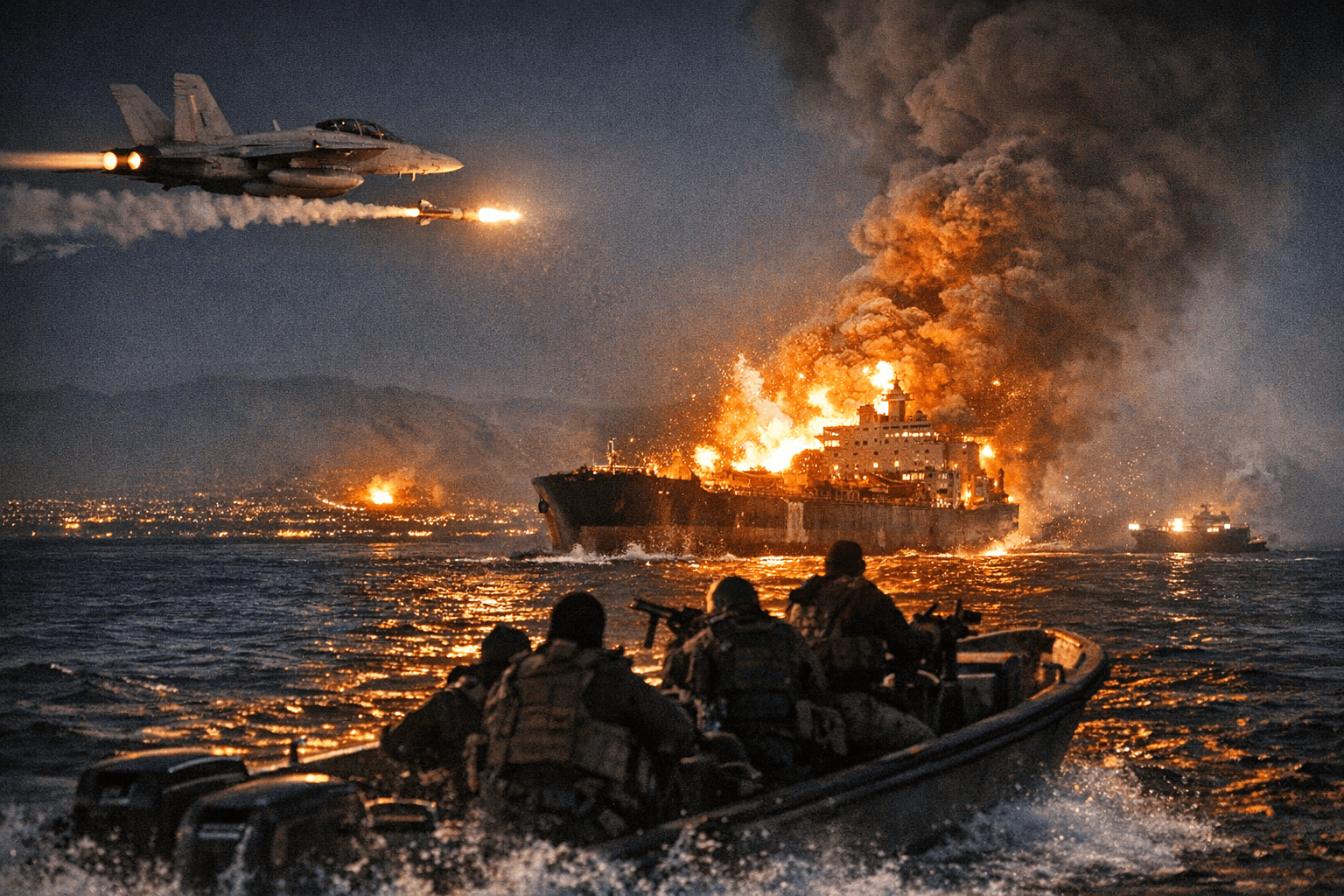
The conflict has now spread to the world's most critical oil chokepoint. Three ships were struck by projectiles near the Strait of Hormuz, a waterway through which roughly one-fifth of the world's oil supply passes. U.S. Central Command issued a warning Wednesday, stating that the Iranian regime's use of civilian ports along the Strait is putting innocent lives at risk. The warning raises serious legal and humanitarian questions about the conduct of both sides around one of the most economically vital maritime corridors on the planet.
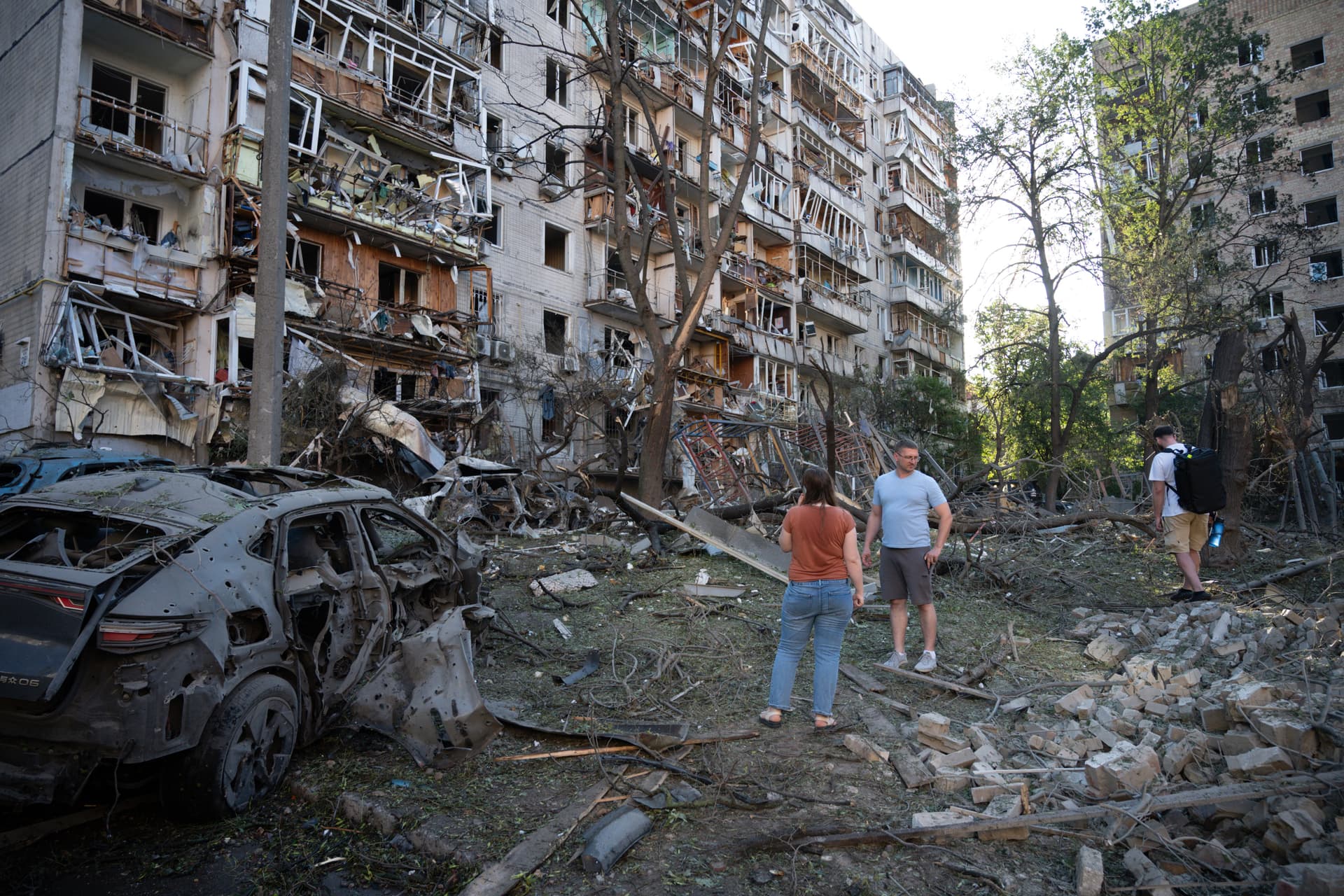
Israeli airstrikes have also struck Beirut, compounding what observers are already calling a humanitarian crisis in Lebanon. Drone attacks hit targets in Tehran on the same day. Neither the Israeli government nor Iranian authorities have provided full casualty or damage assessments.
On the diplomatic front, G7 leaders rejected any easing of economic pressure on Russia despite the turmoil roiling global oil markets. French President Emmanuel Macron said the group agreed on Wednesday that "the current situation in the Middle East, caused by the US-Israeli war with Iran and its consequences on the oil market, does not justify lifting sanctions against Russia."
The conflict has also produced a mounting civilian toll inside Iran. A preliminary U.S. military investigation has found that a February 28 strike on a school was a targeting mistake, according to U.S. officials familiar with the findings. The location of the school and casualty figures were not disclosed.
With the war now in its second week, the convergence of naval attacks on one of the world's most sensitive oil routes, Israeli operations in Lebanon, and spiraling U.S. military expenditure signals that the conflict is far from reaching a turning point, and the economic and human costs are accelerating faster than any diplomatic solution appears able to move.
This article was produced by Prism’s automated news system from verified source data, official records, and press releases, then run through automated quality and moderation checks before publishing. The system is built and supervised by the people who set the standards it runs under. Read our full AI policy.
Did this article answer your question?