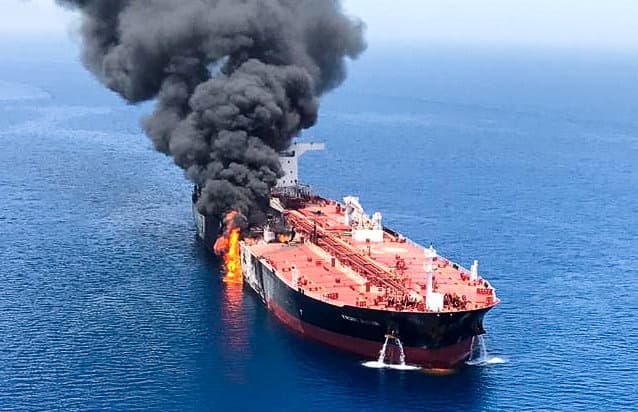
US strikes Iranian military targets after drone attack on tanker near Hormuz
A second drone strike on a tanker near Hormuz triggered U.S. attacks on Iranian surveillance, air defense and drone sites, deepening fears for Gulf shipping.
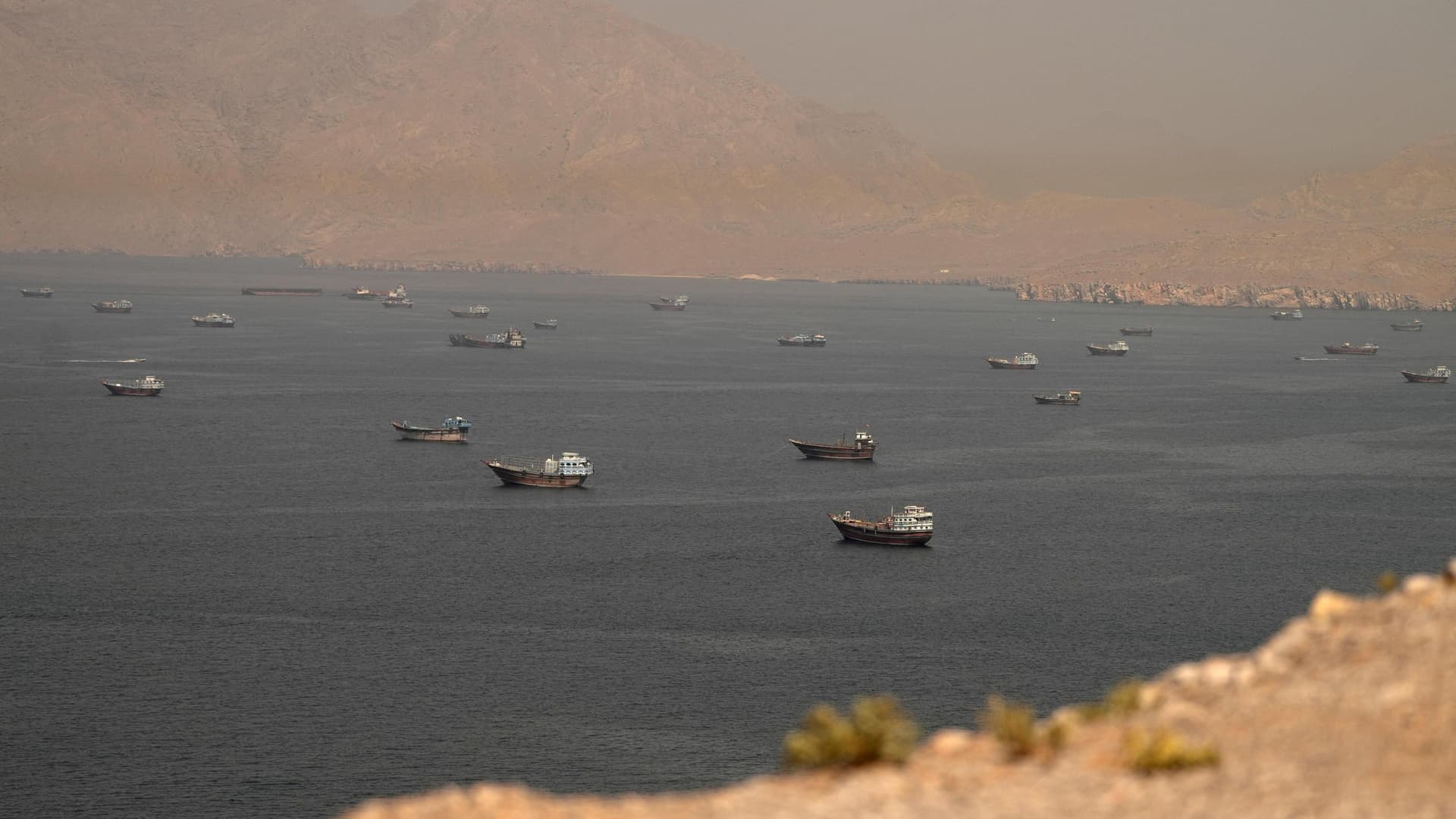
U.S. forces hit multiple Iranian military targets after a one-way attack drone struck the Panama-flagged tanker M/T Kiku near the Strait of Hormuz, escalating a shipping clash that had already drawn Washington into direct retaliation. U.S. Central Command said the June 27 strikes were a direct response to continued Iranian aggression against commercial shipping.
CENTCOM said the drone hit M/T Kiku at 4:30 a.m. ET while the vessel was transiting near the strait with more than two million barrels of crude oil aboard. The U.S. aircraft then targeted Iranian military surveillance infrastructure, communication systems, air defense sites, drone storage facilities and minelayer capabilities. The strike package came after another U.S. attack a day earlier, and the sequence pushed the confrontation beyond warnings into a cycle of attack and counterattack.
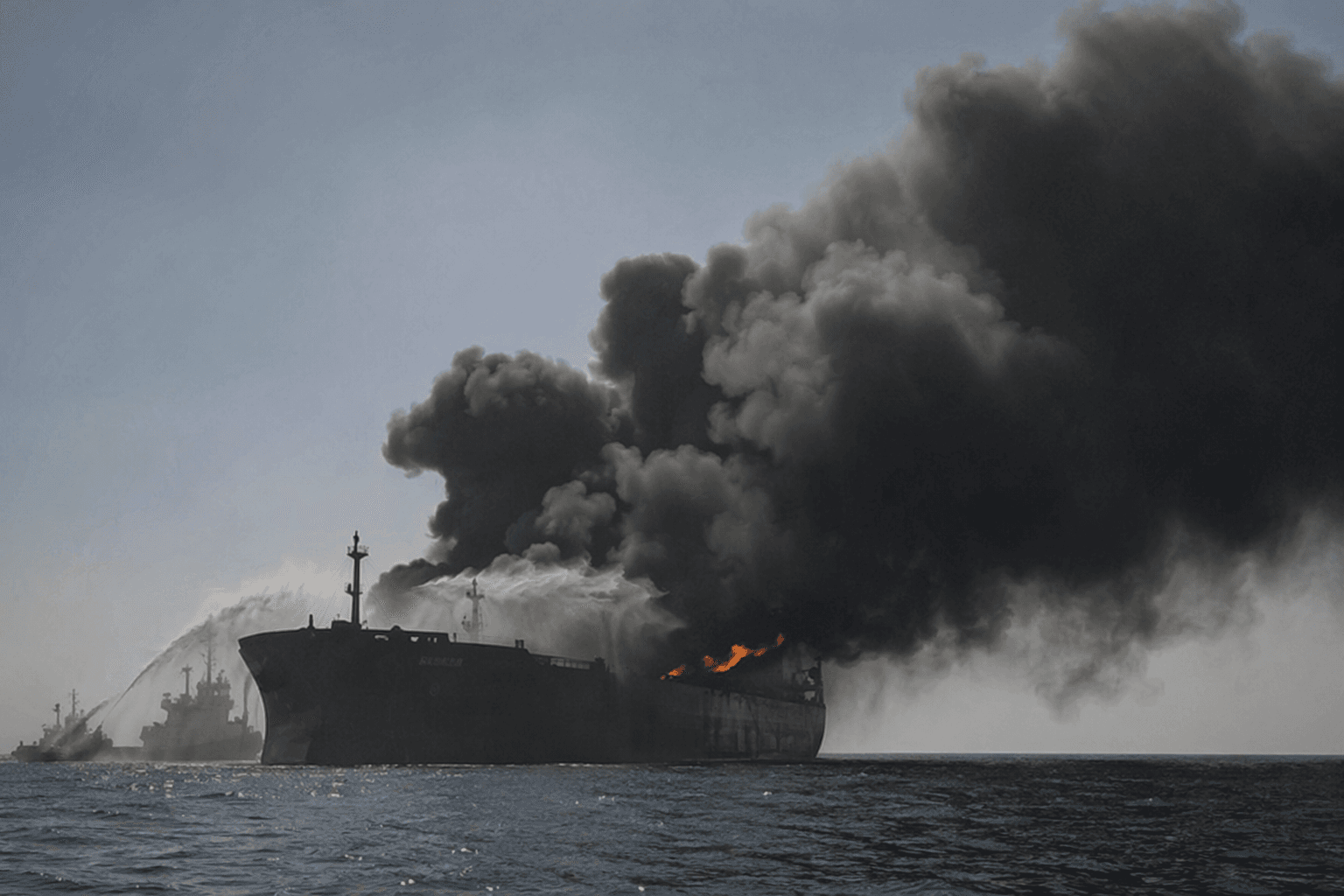
That earlier strike followed Iran’s June 25 attack on the Singapore-flagged M/V Ever Lovely, which CENTCOM said was hit by a one-way attack drone while exiting the Strait of Hormuz along the Omani coast. President Donald Trump called that attack a “foolish violation” of the ceasefire agreement, and CENTCOM said Iran had been given a chance to honor the truce but chose not to do so.
The two assaults have put new strain on a fragile ceasefire framework and on freedom of navigation through the Strait of Hormuz, a vital corridor for global shipping that handles a large share of seaborne oil flows. A vessel attack in the waterway revived fears that more commercial traffic could be forced to slow, reroute or wait outside Gulf ports if the security picture worsens.

The stakes are larger because the U.S. already has a heavy military footprint in the region, with roughly 50,000 troops and multiple warships nearby. That presence gives Washington more ways to respond, but it also raises the risk that a dispute over tanker security could widen into a broader regional conflict involving U.S. forces, Iranian assets and the commercial lanes that run through one of the world’s most sensitive chokepoints.
This article was produced by Prism’s automated news system from verified source data, official records, and press releases, then run through automated quality and moderation checks before publishing. The system is built and supervised by the people who set the standards it runs under. Read our full AI policy.
Know something we missed? Have a correction or additional information?
Submit a Tip