U.S. strikes Iranian sites as drones threaten ships in Strait of Hormuz
Iranian drones, mines and missile activity pushed U.S. threat warnings higher until American forces struck southern Iran and fought to keep Hormuz shipping moving.
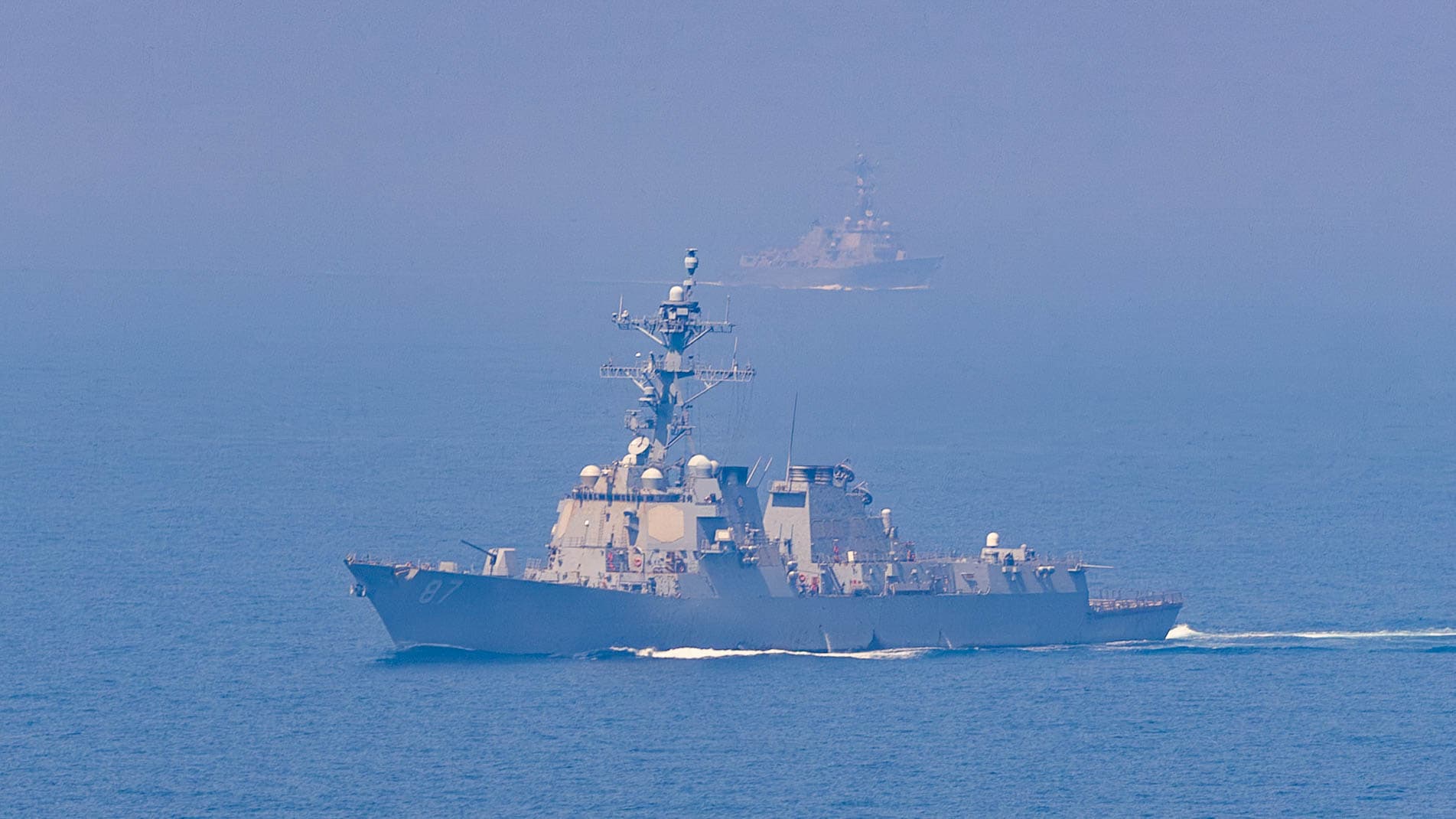
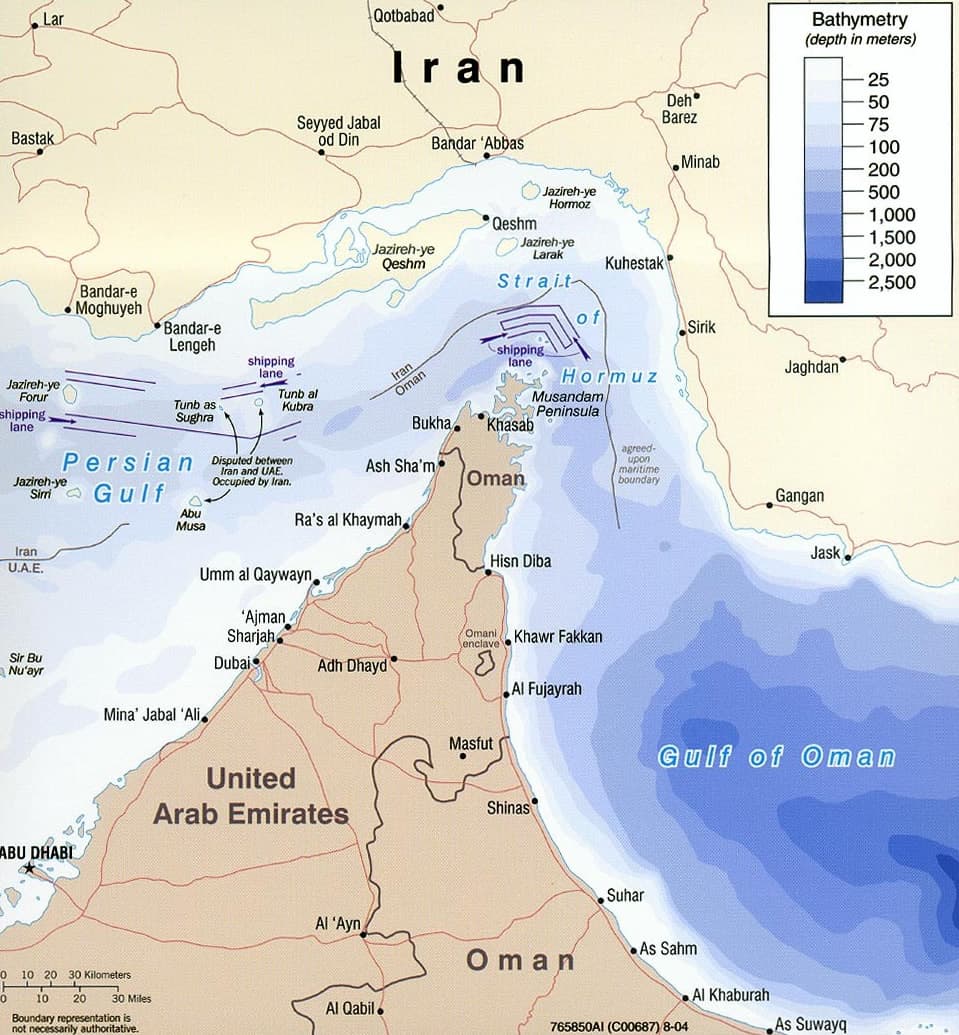
U.S. officials say the confrontation in and around the Strait of Hormuz escalated in stages, beginning with attacks on American warships and widening into signs that Iranian forces were preparing mines and missiles for follow-on strikes. The sequence left Washington trying to protect troops and shipping without igniting a broader war that could choke off a vital oil corridor.
The first sharp warning came on May 7, 2026, when three U.S. Navy destroyers, USS Truxtun, USS Rafael Peralta and USS Mason, came under attack while transiting the Strait of Hormuz. U.S. Central Command said Iranian missiles, drones and small boats were involved, but no U.S. assets were hit and inbound threats were intercepted. That episode showed that Iranian forces were willing to target American ships directly in one of the world’s busiest energy passages.
By late May, two U.S. officials said the threat picture had broadened. Iran had launched drones near American ships, sent speedboats to mine the strait and stepped up activity at some of its missile sites. The added movement around mines and launch positions suggested to U.S. planners that the danger was no longer limited to isolated harassment at sea. It pointed to a layered threat against ships moving through the Persian Gulf and Gulf of Oman.
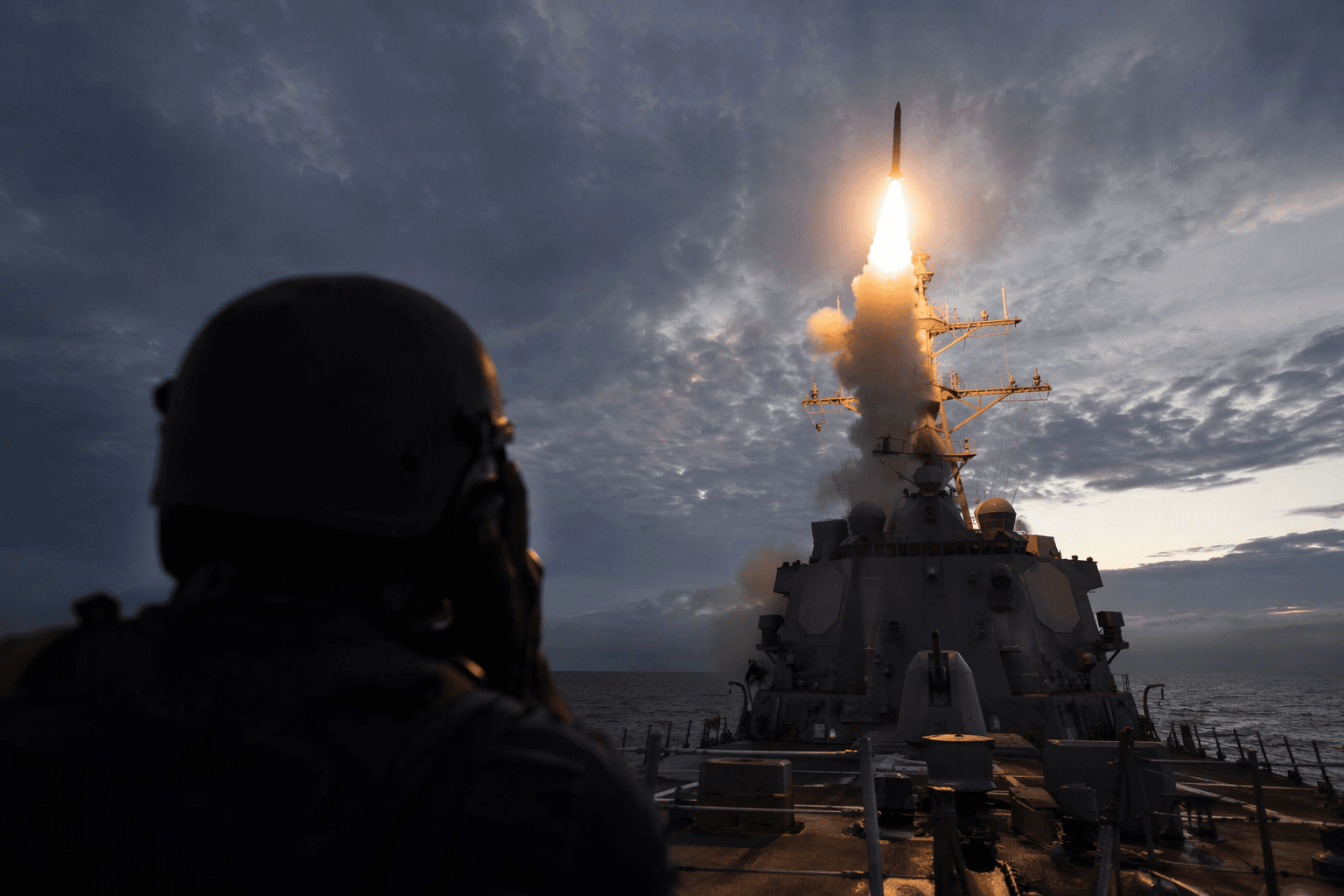
On May 25, U.S. Central Command said American forces carried out “self-defense strikes” in southern Iran, hitting missile launch sites and Iranian boats that were attempting to emplace mines. CENTCOM spokesman Timothy Hawkins said the U.S. was protecting troops from threats posed by Iranian forces. The strikes marked a major step in the escalation, shifting from interception and warnings to direct attacks on Iranian sites and vessels.
The crisis mattered far beyond the immediate military exchange. The Strait of Hormuz is a critical global energy chokepoint, and any sustained disruption could hit shipping and push oil prices higher. President Donald Trump and Secretary of State Marco Rubio have been trying to keep the conflict from widening while also discussing a possible deal to reopen the strait. Rubio said on May 26 that negotiating a deal with Iran could take “a few days,” and Reuters reported that the two sides are discussing a plan to reopen the strait about 30 days after a peace deal is reached.
Both sides have framed their actions as restraint and self-defense, but the language of each claim has not narrowed the gap. Washington says it is defending forces and shipping; Tehran has accused the United States of violating the ceasefire and has threatened retaliation.
This article was produced by Prism’s automated news system from verified source data, official records, and press releases, then run through automated quality and moderation checks before publishing. The system is built and supervised by the people who set the standards it runs under. Read our full AI policy.
Know something we missed? Have a correction or additional information?
Submit a Tip