U.S. Strikes Top 8,000 Iranian Military Targets in Three Weeks of Operation Epic Fury
CENTCOM chief Adm. Brad Cooper announced American forces have struck over 8,000 Iranian targets, including a record-setting artillery strike, since late February.
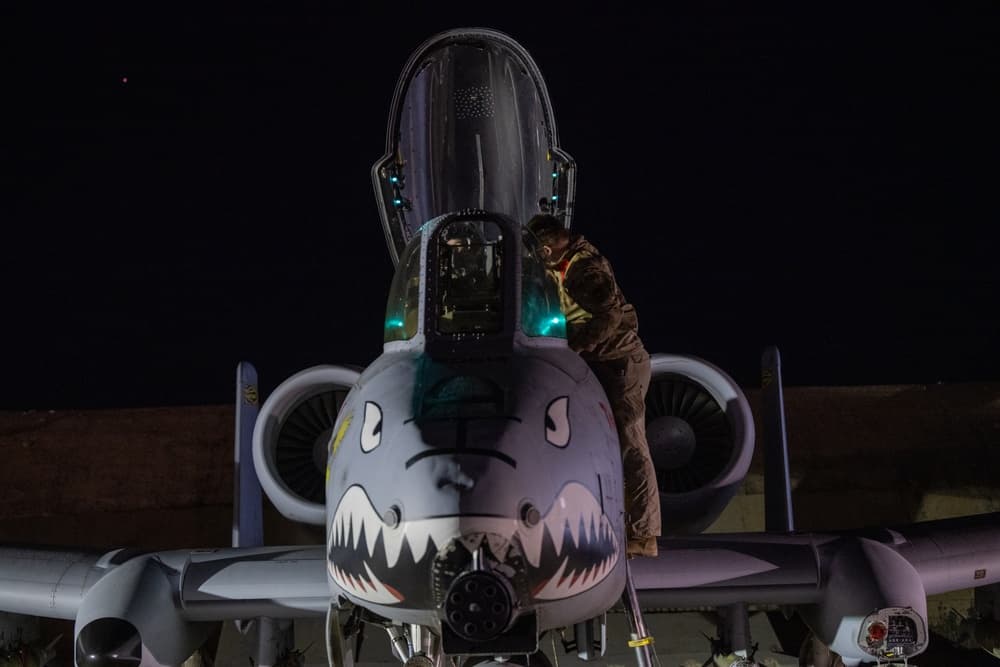
U.S. Central Command announced Saturday that American forces had struck more than 8,000 Iranian military targets since the launch of Operation Epic Fury, with CENTCOM commander Admiral Brad Cooper also claiming U.S. forces executed what he described as the longest field artillery strike in Army combat history.
Cooper, speaking March 21, said U.S. forces had flown more than 8,000 combat sorties and degraded Iranian military capacity across a broad range of target categories. "So far, we've struck over 8,000 military targets, including 130 Iranian vessels, constituting the largest elimination of a navy, over a 3-week period since World War II," Cooper said in remarks broadcast by WION. He added: "My operational assessment continues to be Iran's combat capability is on a steady decline as our offensive strikes ramp up."
Combat operations began February 28, and the pace of strikes has accelerated since. Earlier CENTCOM figures, circulated in reporting dated March 18, put the target count at more than 7,800 and the destroyed naval vessel count at approximately 120. By the time Cooper spoke Saturday, CENTCOM's reported figures had climbed to more than 8,000 targets and 130 Iranian naval vessels. A still-earlier Cooper statement had cited more than 100 vessels sunk specifically in the Strait of Hormuz.
Among the most consequential strikes in recent days, CENTCOM said U.S. planes dropped several 5,000-pound bombs on what it described as "hardened Iranian missile sites" along the Strait of Hormuz, with the stated objective of allowing oil tankers to resume safe passage through the strategic waterway. CENTCOM also confirmed precision strikes against underground weapon depots.
Cooper claimed U.S. forces now hold air superiority over Iranian skies and have constructed a formidable regional defensive posture. "We have built the most extensive air defense umbrella in the world over the Middle East right now," he said. "This is thanks to years of investment alongside our allies and partners to build a robust and integrated air and missile defense architecture." The operation has involved fighter jets, strategic bombers, aircraft carriers, missile destroyers, and submarines, alongside Patriot and THAAD missile defense systems.
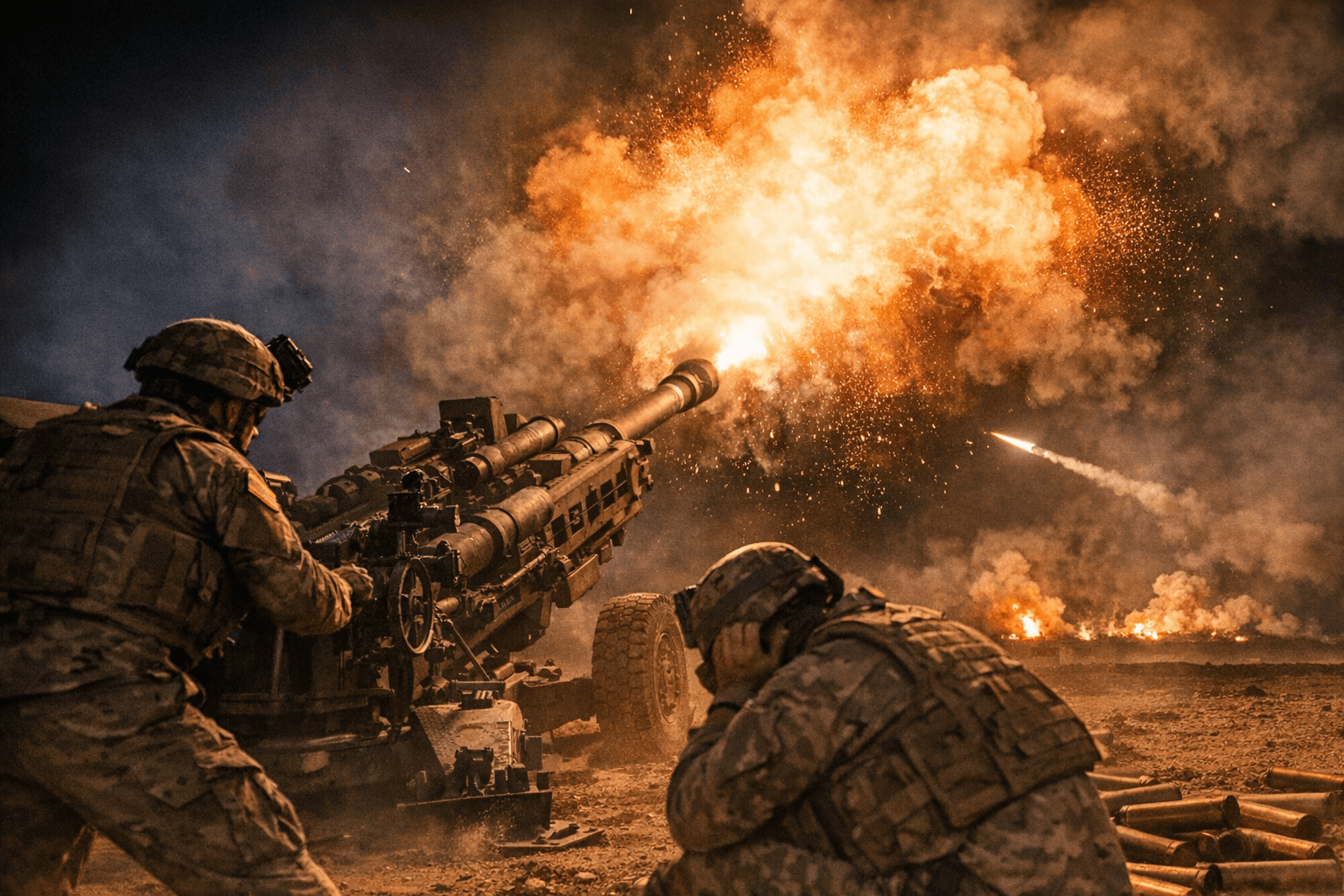
Cooper cited the breadth of air assets as central to sustaining operational pressure. "Our air crews are performing exceptionally across the fight from tankers to fighters and bombers to land-based and carrier-based aviation," he said, noting that aerial refueling tankers were extending strike range to maintain continuous pressure on Iranian positions.
Away from the battlefield, Israeli officials said their forces killed Iran's intelligence minister, Esmail Khatib, a day after killing security chief Ali Larijani and a militia commander. Iran's state-run media, separately, warned of imminent retaliatory strikes on oil refineries in nearby countries, though no specific targets or timelines were named.
The vessel count discrepancy across reporting periods, ranging from "more than 100" to 130, reflects the pace of an operation still in motion; CENTCOM has not issued a single consolidated accounting. Independent verification of target counts, naval losses, and the scope of damage to hardened infrastructure from satellite imagery or third-party monitoring has not yet been established publicly.
The Strait of Hormuz, through which roughly a fifth of the world's oil supply transits, remains the operational focal point. Whether the strikes have durably restored tanker passage or merely suppressed Iranian interdiction capability in the short term will define the strategic calculus in the weeks ahead.
Know something we missed? Have a correction or additional information?
Submit a Tip