U.S. submarine sinks Iranian warship; Pentagon releases periscope video
Pentagon says a U.S. fast-attack submarine fired a Mk-48 torpedo that sank an Iranian warship near Sri Lanka; Sri Lankan officials report rescues and recovered bodies.
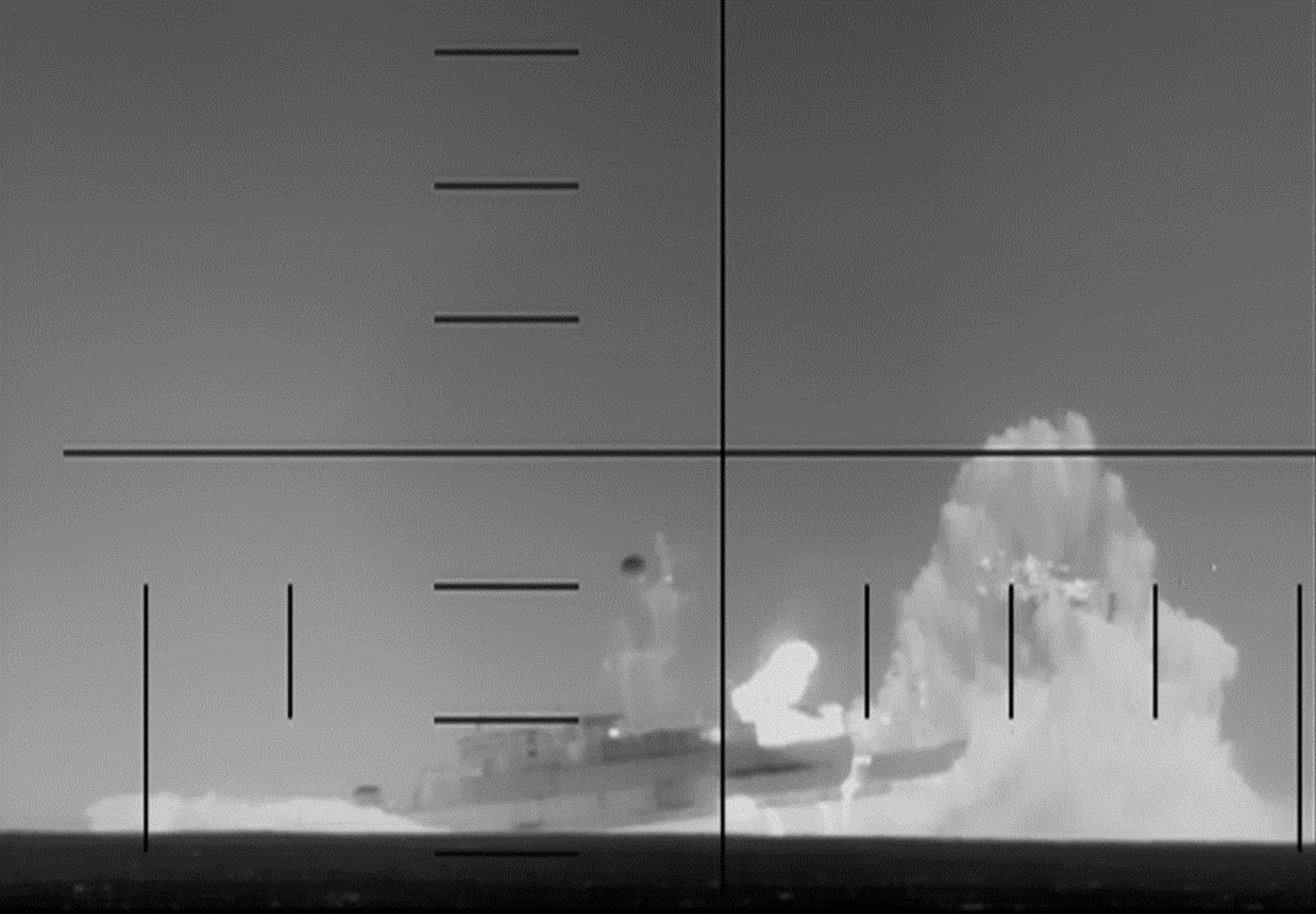
A U.S. fast-attack submarine fired a single Mk-48 heavyweight torpedo and sank an Iranian warship in the Indian Ocean, Pentagon officials said, and the department released infrared periscope footage showing a large detonation at the stern. Secretary of Defense Pete Hegseth told reporters, "An American submarine sunk an Iranian warship that thought it was safe in international waters." He added, "Instead, it was sunk by a torpedo. Quiet death, the first sinking of an enemy ship by a torpedo since World War Two."
Chairman of the Joint Chiefs of Staff General Dan Caine described the weapon and effect, saying, "For the first time since 1945, a United States Navy fast attack submarine has sunk an enemy combatant ship using a single Mk-48 torpedo to achieve immediate effect, sending the warship to the bottom of the sea." Pentagon officials declined to identify the submarine for operational security and said the strike was part of broader operations labeled Operation Epic Fury.
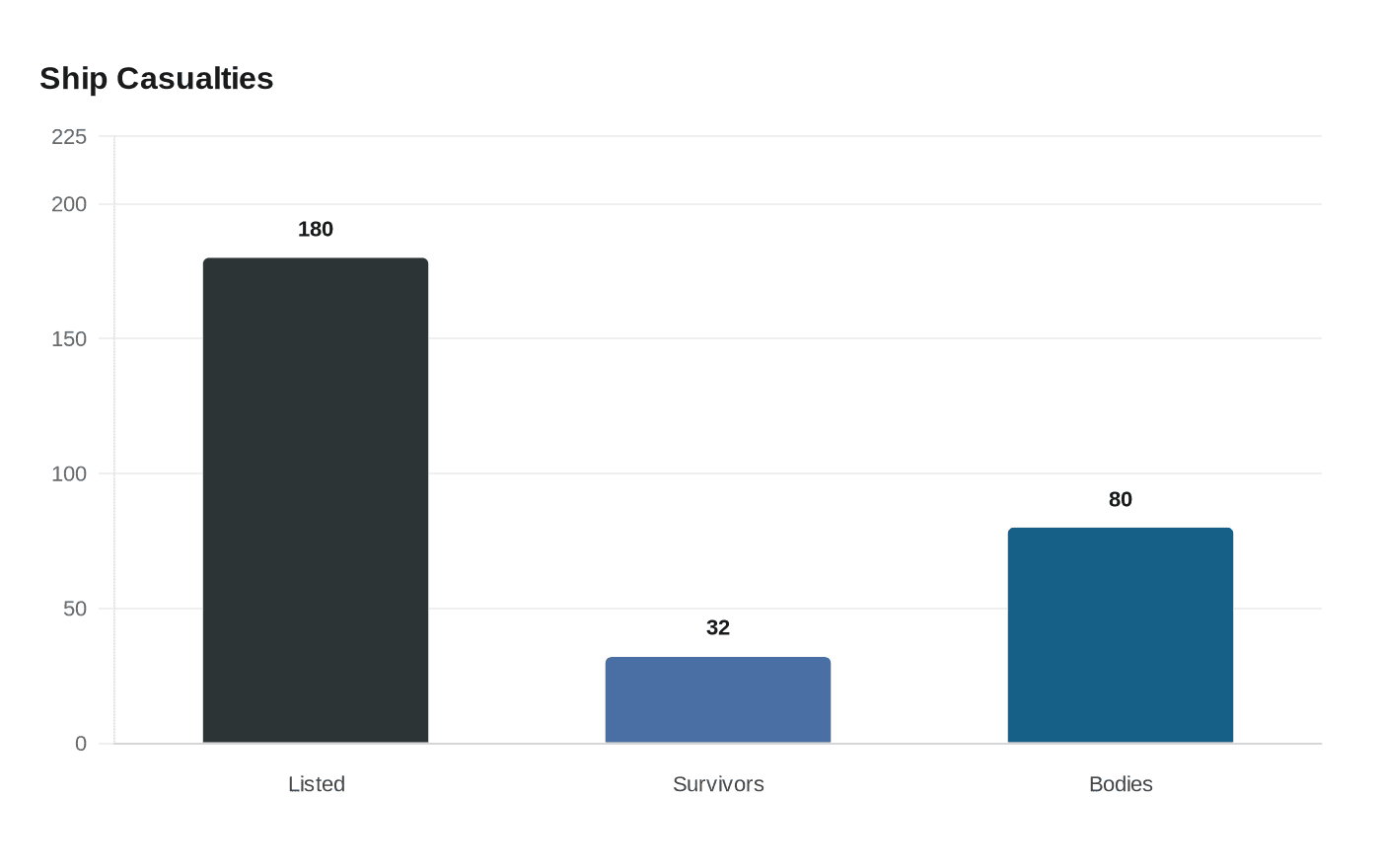
Sri Lankan authorities provided the primary local corroboration of a stricken Iranian vessel and casualties. Sri Lankan navy personnel responded to a distress call and recovered 32 survivors; ship documents showed about 180 people were listed aboard. A Sri Lankan defence official told investigators rescuers found 80 bodies aboard, and Sri Lanka’s foreign minister said survivors were "seriously injured" and were taken to a hospital in the southern port of Galle. The strike was reported roughly 40 kilometers off Sri Lanka's southern coast, placing the incident inside the U.S. Indo-Pacific Command area of responsibility.
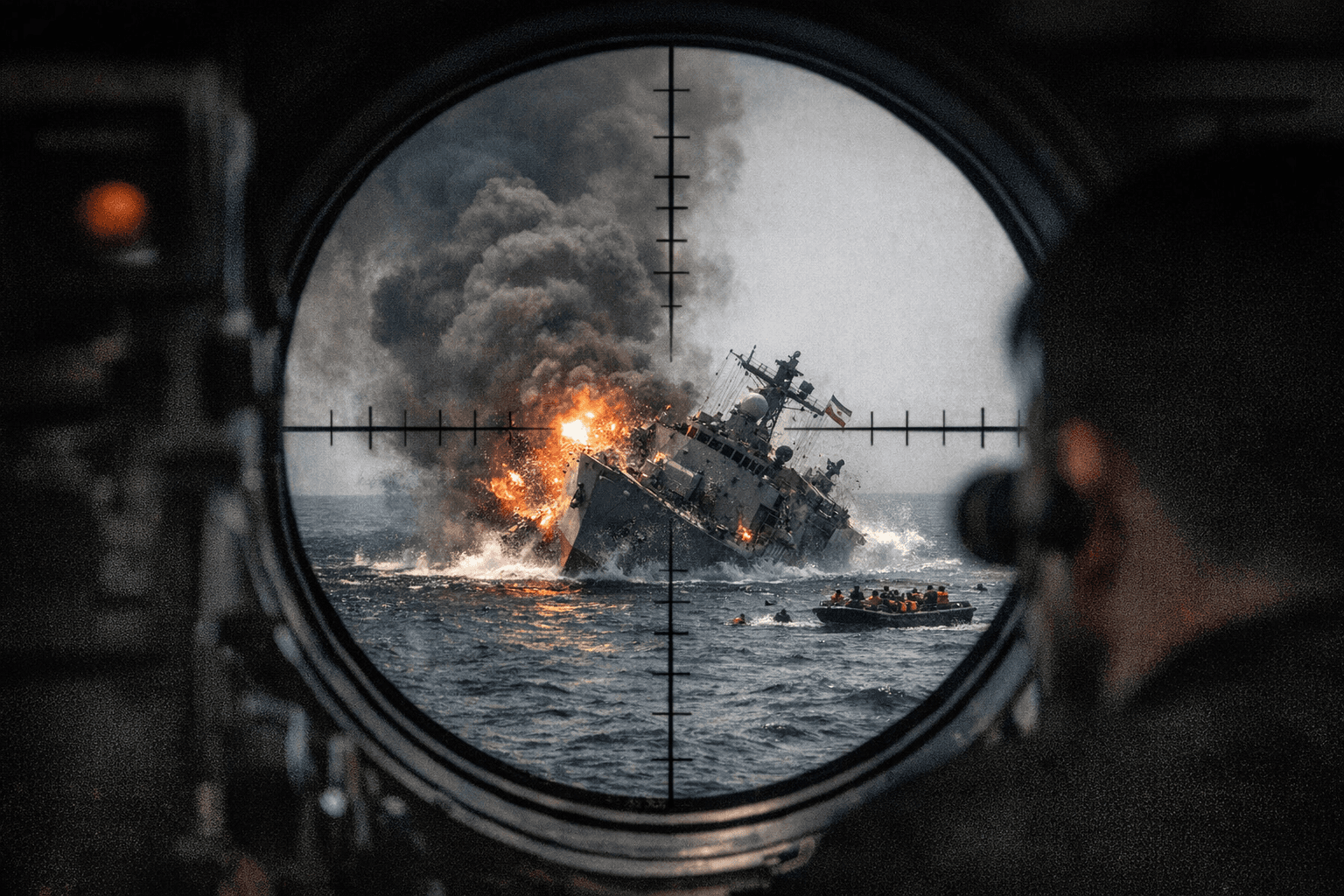
There is a significant discrepancy over the identity of the target. Sri Lankan officials identified the vessel by name as IRIS Dena, a Moudge-class frigate first launched in 2015 and assigned to Iran's Southern Fleet. U.S. officials at the briefing did not formally name the ship; a separate account attributed to Secretary Hegseth a more incendiary passage that named the target "Soleimani," but that naming has not been corroborated by Pentagon officials or Sri Lankan authorities. Open classification of the vessel varies in official descriptions, with some characterizing it as a frigate and others using the term destroyer.
The Pentagon released optronics mast infrared imagery described by officials as periscope footage showing the torpedo impact and a subsequent explosion. Pentagon leaders framed the strike as a demonstration of long-range maritime targeting and said additional actions against Iranian naval and infrastructure targets were expected. General Caine and other defense spokesmen asserted that U.S. forces have struck more than 2,000 targets inside Iran and destroyed over 20 Iranian naval vessels since the wider conflict began; those totals were presented as U.S. assessments.
Historical context was emphasized by U.S. officials, who called the sinking the first U.S. submarine torpedo sinking of an enemy surface combatant since World War II. Observers note other nations have used torpedoes in later conflicts; the sinking marks a notable escalation in submarine employment against surface warships.
Key questions remain unsettled: exact strike timing and coordinates, final casualty tallies and hospital admission records, verification from Iranian authorities, and confirmation of the ship’s formal designation. Journalists and regional officials are seeking the unedited video, transcript of the Pentagon briefing, and an official Sri Lankan notice to reconcile differing accounts.
Know something we missed? Have a correction or additional information?
Submit a Tip