U.S. summer electricity bills are projected to hit 12-year high
Summer power bills are set to reach a 12-year high, with the average U.S. household projected to spend about $792. Families in Texas, Oklahoma, Arkansas and Louisiana face the steepest costs.
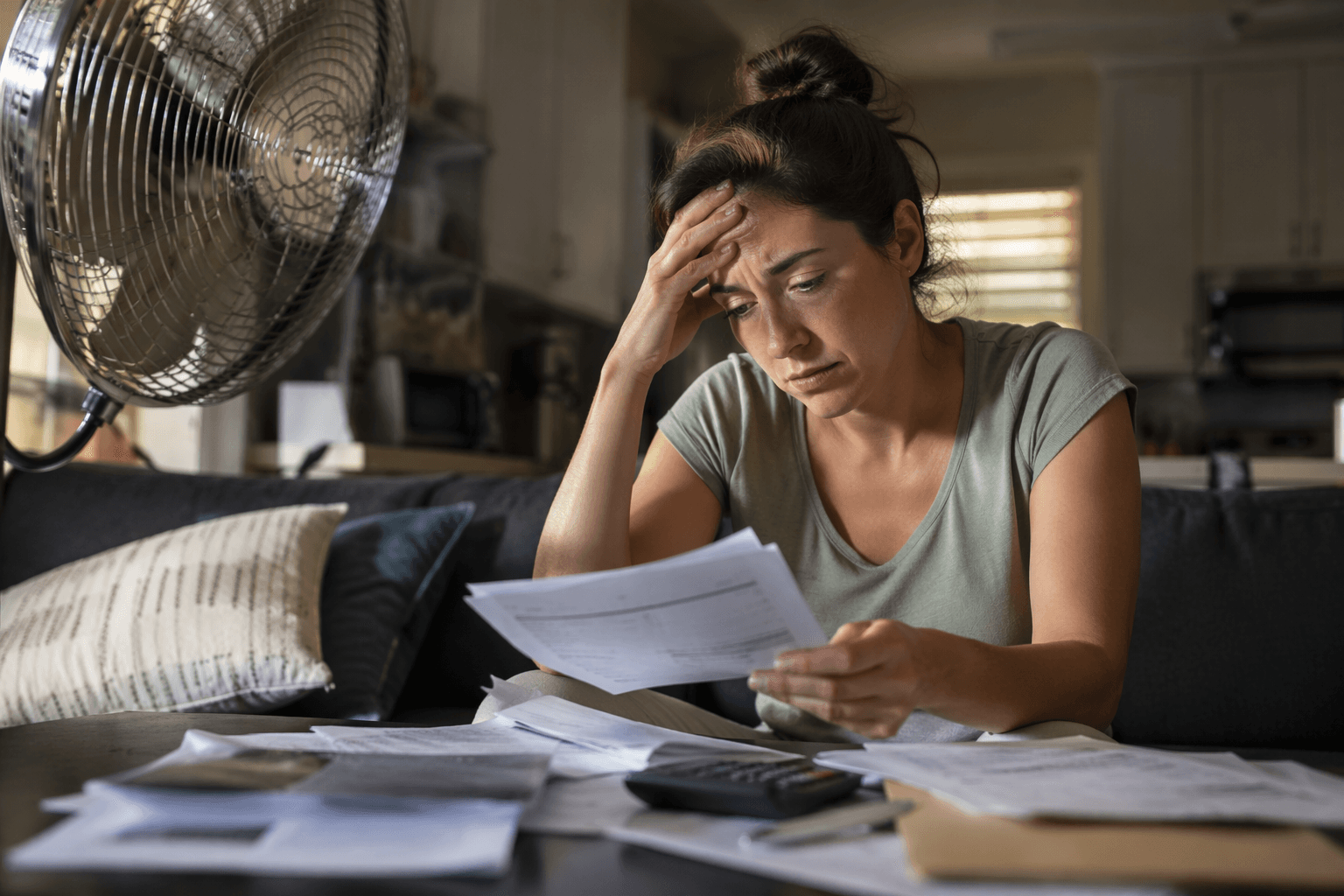
Families already pinched by rent, groceries and other household costs are heading into another expensive cooling season. The National Energy Assistance Directors Association and the Center for Energy Poverty and Climate project average summer residential electricity expenditures will rise 10.5% in 2026, from $717 in 2025 to about $792, the highest level in at least 12 years and nearly 40% above 2020.
The squeeze is not evenly spread. Households in the West South Central region, including Texas, Oklahoma, Arkansas and Louisiana, are expected to face the highest average summer electric bills in the nation. NEADA says cooling costs are rising in every U.S. region, with the largest increases in the Mountain and South Atlantic regions. Its June update also puts the average June-to-September cooling cost at $778, up 8.5% from last year.
The group says two forces are pushing bills higher at the same time: hotter temperatures and higher electricity prices. Mark Wolfe, NEADA’s executive director, warned that families are being squeezed by both rising power prices and greater air-conditioning use needed to stay safe. That combination matters most for households with the least room in the budget, especially those already balancing housing, food and other fixed expenses.

The broader price backdrop is not easing. The U.S. Energy Information Administration says retail electricity prices have risen faster than inflation since 2022 and are expected to keep increasing through 2026. The Federal Energy Regulatory Commission’s May 21 summer assessment warned that extreme heat could strain electricity markets and reliability across much of the United States, while the National Oceanic and Atmospheric Administration is forecasting above-average temperatures across much of the country for June through August 2026.
For low-income households, the outlook is particularly troubling because existing energy assistance programs are not keeping pace with the climb in cooling costs and heat exposure. The result is an affordability problem that is becoming more entrenched, with higher summer bills now landing on top of already elevated living costs in some of the country’s hottest states and regions.
This article was produced by Prism’s automated news system from verified source data, official records, and press releases, then run through automated quality and moderation checks before publishing. The system is built and supervised by the people who set the standards it runs under. Read our full AI policy.
Know something we missed? Have a correction or additional information?
Submit a Tip