U.S.-Taiwan pact cuts tariffs and secures $500 billion semiconductor push
U.S. tariffs on Taiwanese goods will fall to 15% as Taiwan pledges $250 billion in direct investment and $250 billion in credit guarantees to expand U.S. chip, AI and clean-energy capacity.
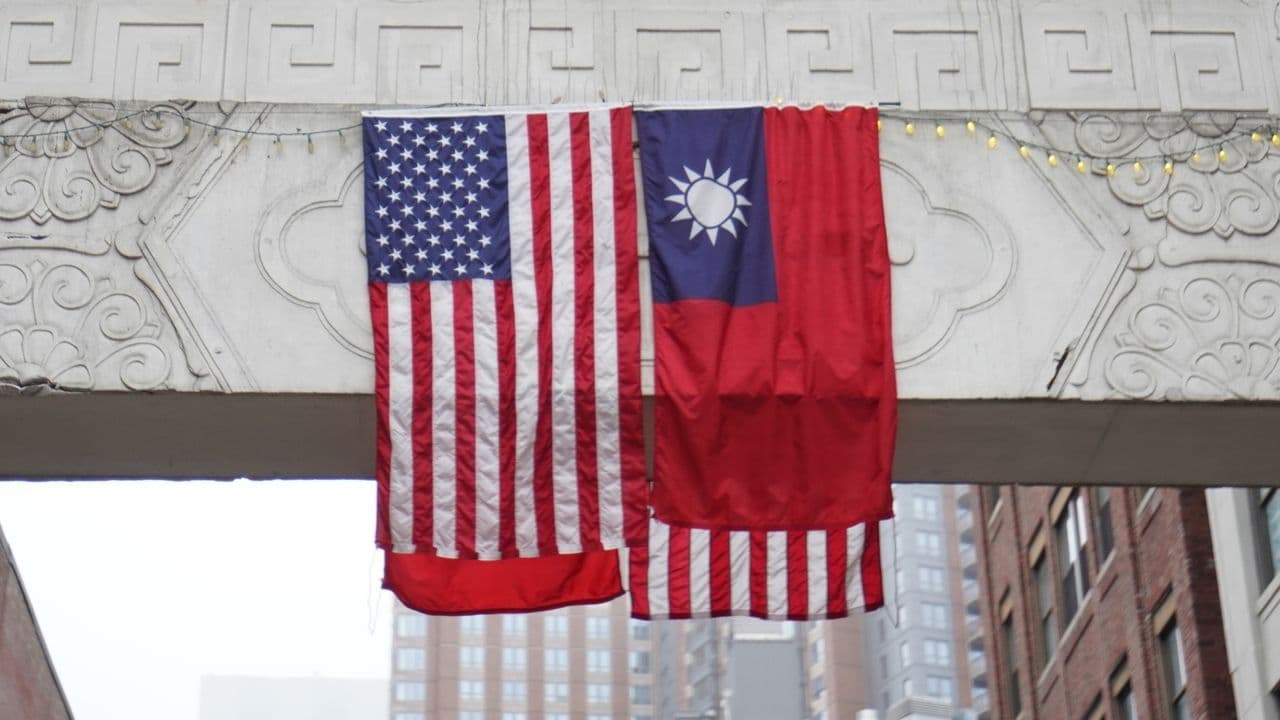
The United States and Taiwan announced a landmark trade pact that pairs a tariff rollback with an unprecedented wave of Taiwanese investment aimed at building U.S. semiconductor, artificial intelligence and clean-energy capacity. Under the agreement, Washington will reduce its general tariff on Taiwanese imports to 15 percent from a reciprocal 20 percent rate in return for Taiwanese firms' commitment to "new, direct investments totaling at least $250 billion" in the United States and Taipei's pledge of "credit guarantees of at least $250 billion" to catalyze further projects.
The deal carves out sector-specific treatments: tariffs on automotive parts, timber and wood products will be capped at 15 percent, some aerospace components will face no tariffs, and generic pharmaceuticals and certain natural resources will not be subject to reciprocal duties. The Commerce Department described the arrangement as "a historic trade deal that will drive a massive reshoring of America’s semiconductor sector," and said Taiwanese producers that invest on U.S. soil will receive preferential consideration in future semiconductor duty decisions.
Officials framed the pact as an industrial-policy instrument as much as a trade agreement. Commerce Secretary Howard Lutnick said the administration's objective is to shift roughly 40 percent of Taiwan's chip supply chain and production to the United States, and he indicated that U.S. leverage was significant, saying that absent Taiwanese concessions tariffs could have risen as high as 100 percent. The department also said the agreement establishes plans to create several "world-class U.S.-based industrial parks" designed to house fabrication and related facilities.
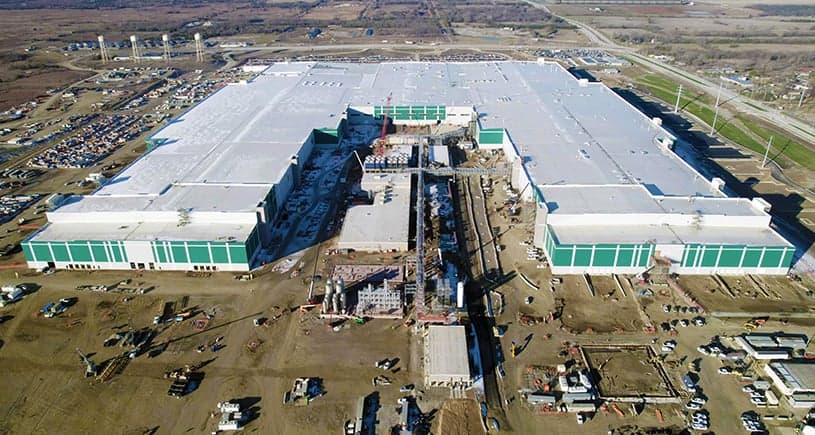
Corporate activity already cited by U.S. officials points to rapid follow-through: Mr. Lutnick noted that Taiwan Semiconductor Manufacturing Co. has purchased additional land in Arizona and could expand further, building on a previously reported $100 billion commitment announced by the company in 2025. Policymakers expect the combined $500 billion package of direct investment and credit guarantees to support both large-scale fabs and the smaller, complex suppliers that underpin chip ecosystems.
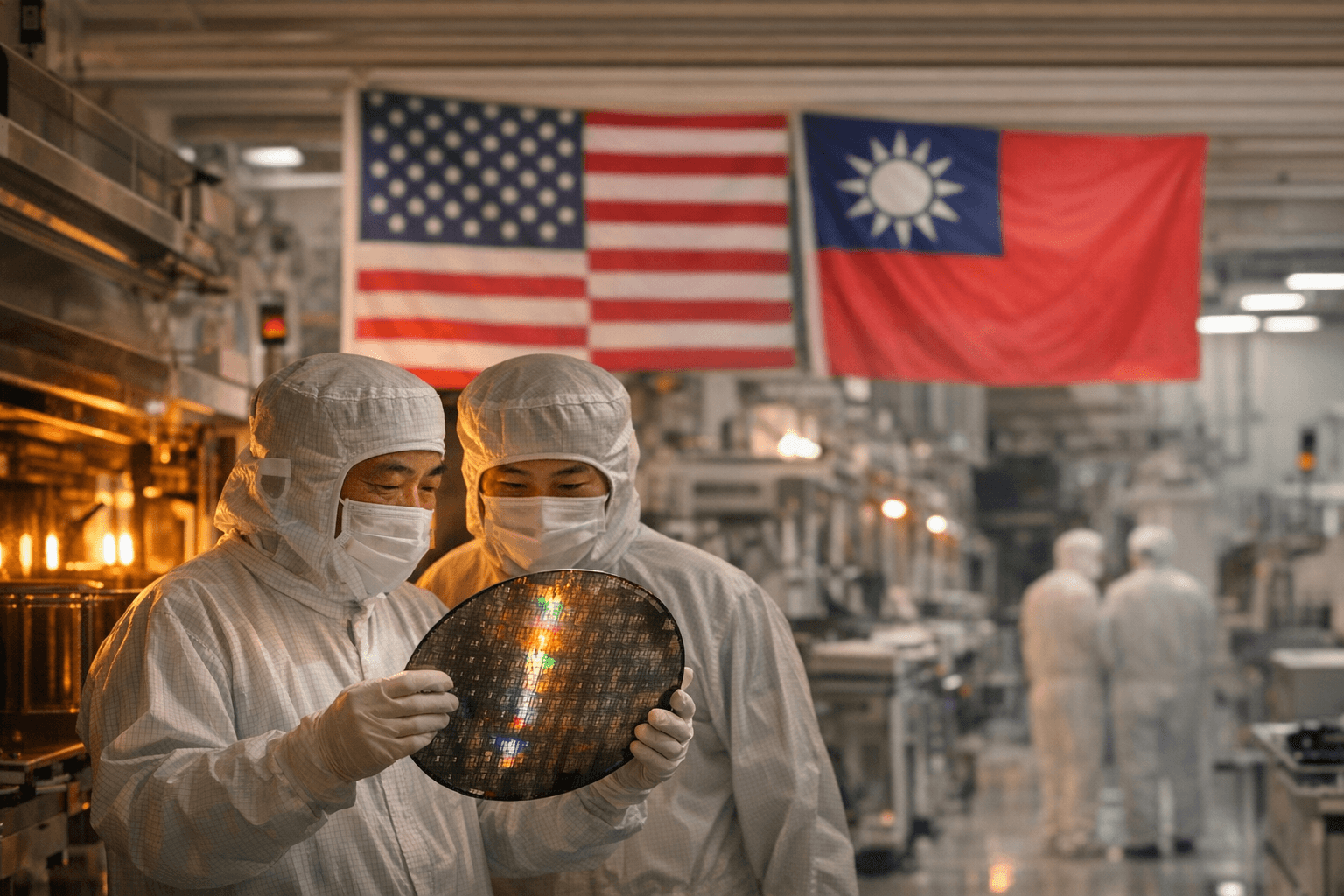
The pact immediately raises political and diplomatic questions. Taiwan's legislature must ratify the agreement; opposition lawmakers have warned that large outbound investments could weaken the island's domestic semiconductor base. Beijing condemned the accord, underscoring the geopolitical sensitivity of deeper economic ties between Washington and Taipei.
Financial markets and industry planners will watch implementation closely. If firms translate pledged sums into announced projects and construction starts, the deal could accelerate a multi‑year wave of capital expenditures in U.S. manufacturing, boost domestic high‑tech employment and reconfigure global supply chains. It could also lower consumer prices modestly over time by cutting input costs tied to tariffs, while reducing tariff receipts that the U.S. government currently collects on bilateral trade at the previous reciprocal rate.
Important details remain unresolved: the timetable for industrial-park construction, the mechanics and beneficiaries of Taiwan's credit guarantees, and administrative rules for preferential duty treatment will be defined in follow-on documents and agency actions. Taiwan’s premier hailed the outcome as "the best tariff deal enjoyed by the countries with trade surplus with the U.S." and said it demonstrates that "the U.S. sees Taiwan as an important strategic partner." How that calculus translates into concrete factory curves and supply-chain relocation will determine whether the agreement marks a durable shift in global semiconductor geopolitics or a stage in an ongoing competition over technological sovereignty.
This article was produced by Prism’s automated news system from verified source data, official records, and press releases, then run through automated quality and moderation checks before publishing. The system is built and supervised by the people who set the standards it runs under. Read our full AI policy.
Did this article answer your question?