U.S. Takes G20 Helm, Pledges Growth Focus and Innovation
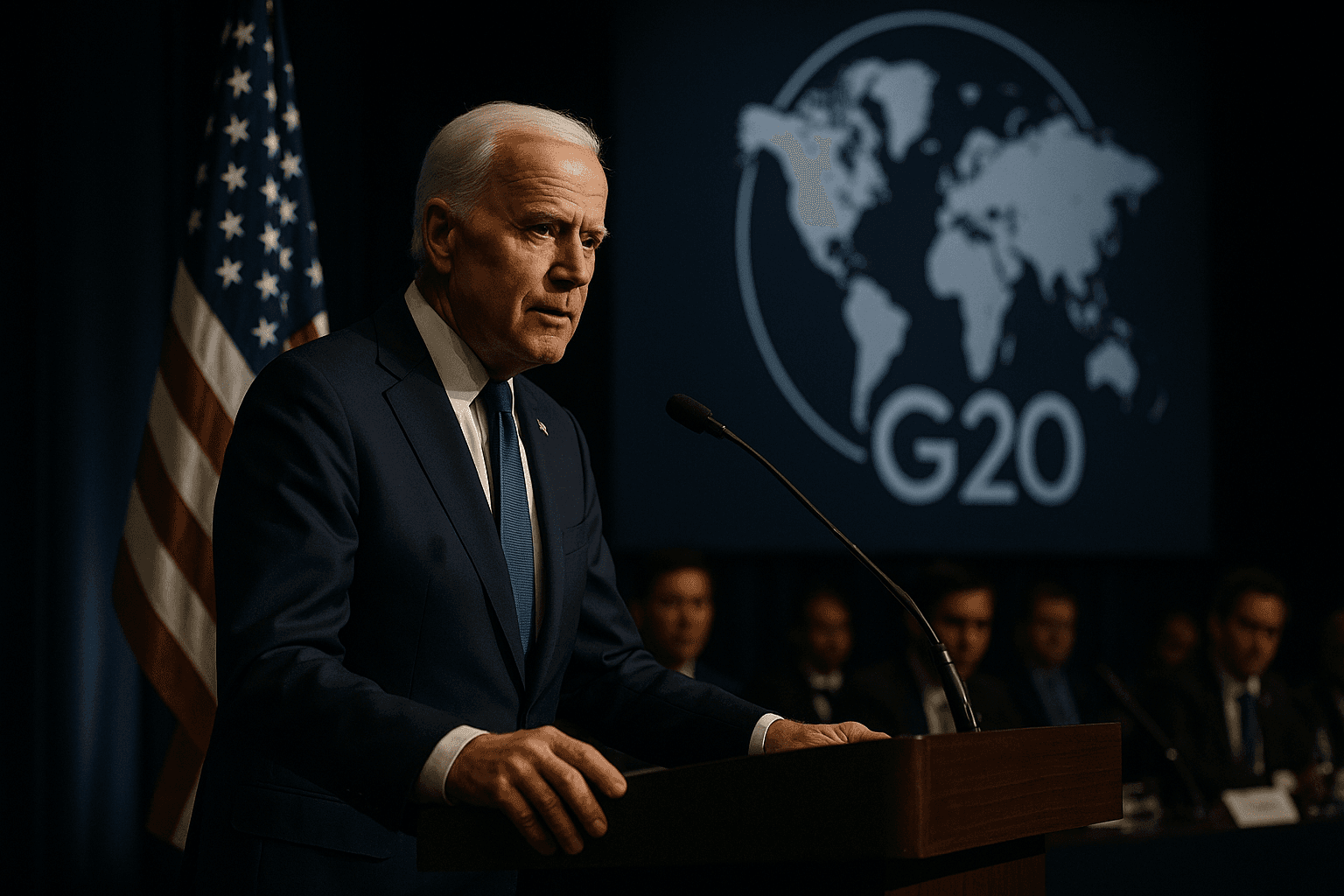
The United States formally assumed the G20 presidency on December 1, 2025, setting a three pillar agenda aimed at reviving global economic growth through regulatory restraint, resilient energy supply chains, and technology advancement. The move comes amid a diplomatic rift with outgoing host South Africa and signals a summit in Miami next year that will test the group’s ability to reconcile growth priorities with climate and development pressures.
The United States began its 12 month G20 presidency on December 1, 2025 and laid out an agenda centered on reviving global growth and prosperity. Washington told other members it will prioritize three core themes, focusing on limiting regulatory burdens to spur investment, unlocking affordable and secure energy supply chains, and pioneering new technologies and innovations. The State Department framed the effort as an attempt to “return the G20 to focus on its core mission of driving economic growth and prosperity.”
The timing highlights the influence of the grouping. The G20 represents roughly 85 percent of global output and about two thirds of the world population, making it the primary forum for coordinating policies that affect trade flows, cross border investment, and technology standards. U.S. officials emphasized that the presidency will aim to translate broad commitments into practical steps that ease regulatory frictions, foster cross border energy projects, and accelerate commercial adoption of emerging technologies.
Markets are likely to watch closely. Investors have signaled sensitivity to policy shifts that could alter corporate compliance costs and capital allocation. A tilt toward regulatory simplification could support higher business investment in the near term, especially in capital intensive sectors such as clean energy and semiconductors. At the same time elevated borrowing costs and cautious central bank stances in many advanced economies mean that any promise of faster growth will depend on tangible policy actions rather than rhetoric alone.
The U.S. agenda has surfaced amid a public spat with the outgoing G20 presidency in Pretoria. Washington skipped the November summit in South Africa, a diplomatic rupture that underscores rising geopolitical polarization within the forum. President Trump said South Africa would not be invited to the U.S. summit next year. The U.S. announcement that it will host the leaders meeting in Miami puts the spotlight on how the group will manage both pro growth priorities and persistent divides over trade, climate finance, and debt relief.
Policy experts say the three themes reflect broader shifts in global economic strategy. The focus on energy supply chains follows years of disruptions, and onshoring and nearshoring trends that policymakers credit with reducing vulnerabilities but that risk raising costs. The emphasis on technology and innovation signals an effort to anchor global standards while promoting U.S. leadership in artificial intelligence and advanced manufacturing. Balancing these priorities with commitments to lower income countries will be a central test. Progress will require reconciling calls for lighter regulation in advanced economies with the need for predictable rules that encourage investment across emerging markets.
As the U.S. moves into the presidency, the practical measure will be whether the Miami summit produces concrete, measurable commitments on investment, trade facilitation, and supply chain resilience that can lift the baseline for global growth. Without that, the pledge to refocus the G20 risks becoming a rhetorical reset rather than a catalyst for economic expansion.
This article was produced by Prism’s automated news system from verified source data, official records, and press releases, then run through automated quality and moderation checks before publishing. The system is built and supervised by the people who set the standards it runs under. Read our full AI policy.
Did this article answer your question?