U.S. Taps Strategic Reserve for 172 Million Barrels to Cool Soaring Oil Prices
The U.S. announced its largest coordinated oil reserve release, joining 31 allies in a 400-million-barrel effort to counter price spikes driven by the Iran conflict.
The United States announced Wednesday it will release 172 million barrels of crude oil from the Strategic Petroleum Reserve, joining 31 other nations in a sweeping International Energy Agency effort to drive down energy prices that have surged since the outbreak of hostilities with Iran.
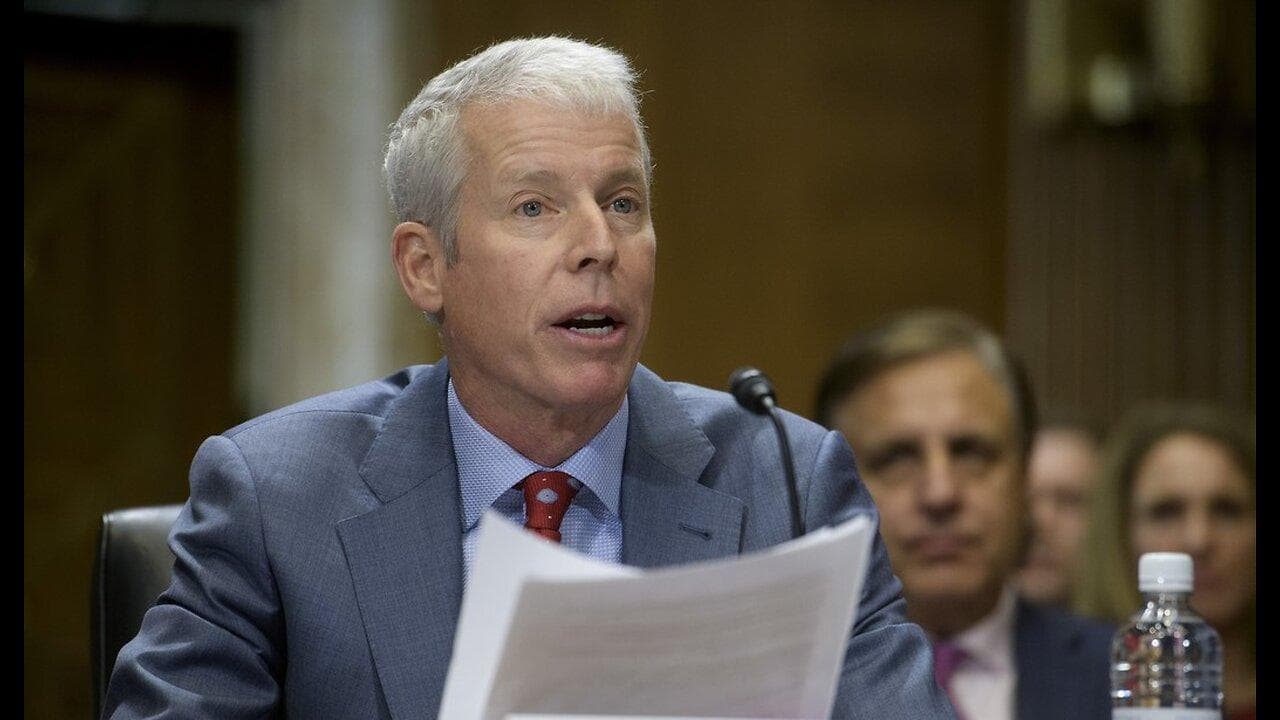
Energy Secretary Chris Wright confirmed the release will begin next week and take approximately 120 days to complete. The U.S. contribution represents the largest single-country share of a 400-million-barrel coordinated drawdown that 32 IEA member nations agreed to unanimously. "Earlier today, 32 member nations of the International Energy Agency unanimously agreed to President Trump's request to lower energy prices with a coordinated release of 400 million barrels of oil and refined products from their respective reserves," Wright said in the official Energy Department statement.
The announcement came as American consumers absorbed a sharp spike at the pump. Average U.S. gasoline prices have climbed to nearly $3.60 per gallon, according to AAA, a jump of roughly 22 percent compared to the same period last month. The price surge followed supply shocks tied to the widening Middle East conflict. The U.S. and Israel began military operations against Iran on February 28, prompting retaliatory strikes from Tehran on Israel and Gulf states hosting American military bases. Iran's Islamic Revolutionary Guard Corps has threatened to block oil shipments through the Gulf unless the attacks cease, a move that rattled global energy markets.
The SPR held more than 415 million barrels at the end of February, meaning the planned drawdown of 172 million barrels would reduce the reserve by roughly 41 percent if fully executed. The Department of Energy sought to address concerns about that depletion by announcing a parallel plan to replenish the reserve. "The United States has arranged to more than replace these strategic reserves with approximately 200 million barrels within the next year," Wright said. The department framed that replacement as 20 percent more than the volume being drawn down, and pledged it would come "at no cost to the taxpayer."
President Trump earlier Wednesday told reporters that Washington would "reduce it a little bit" when asked about the SPR threshold, signaling the administration had been weighing the decision before the formal announcement.
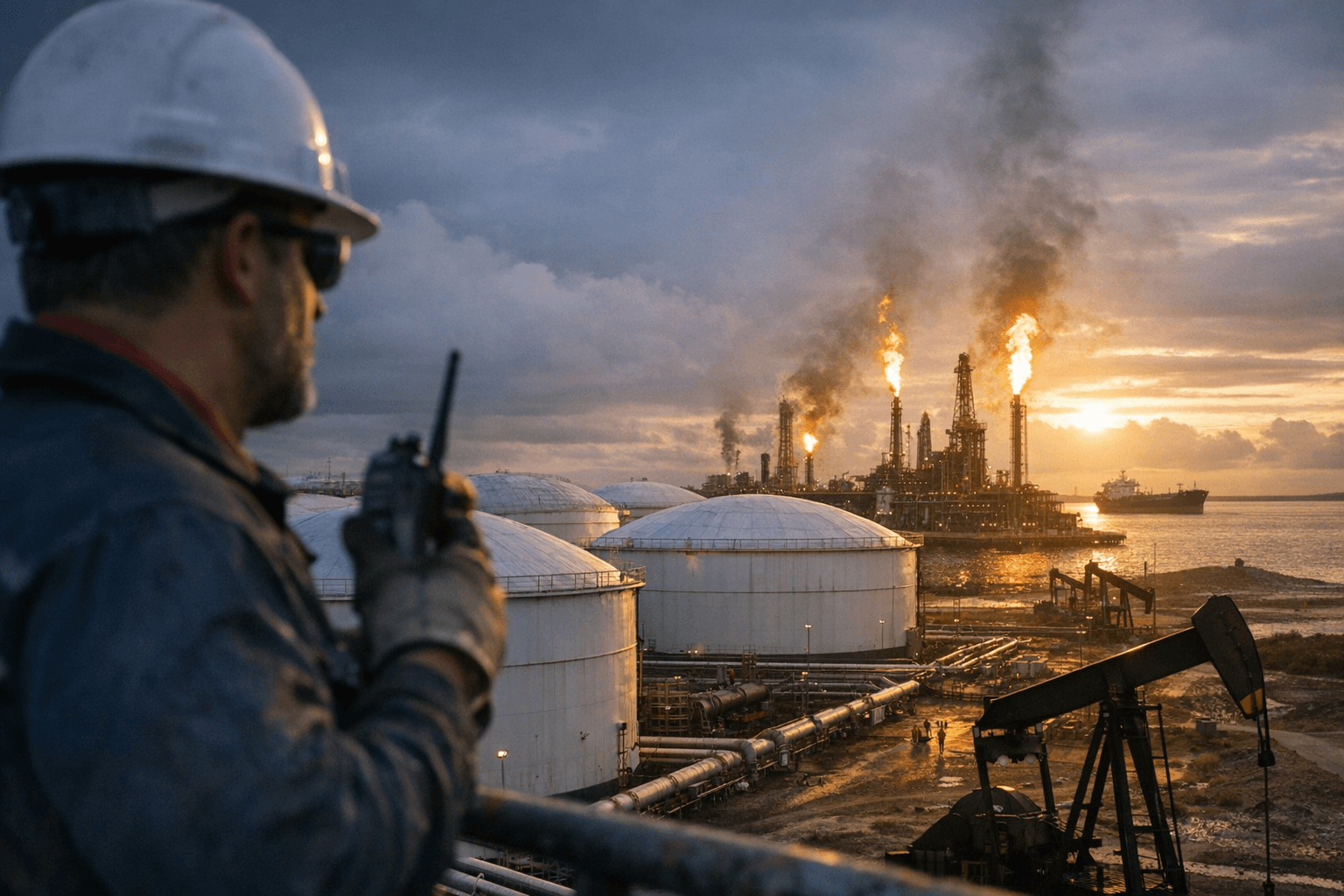
The IEA's coordinated 400-million-barrel release encompasses both crude oil and refined petroleum products across its 32 member nations, though the U.S. contribution will be drawn entirely from its crude stockpile held in the SPR. The administration attributed the IEA's unanimous agreement directly to a request from President Trump.
The scale of the release draws comparisons to the Biden administration's 2022 SPR drawdown in response to the Russian invasion of Ukraine, though Wednesday's announcement surpasses it in volume. The Wright statement was notably pointed about that precedent: "Unlike the previous administration, which left America's oil reserves drained and damaged, the United States has arranged to more than replace these strategic reserves."
Key logistical and financial details remain unresolved. The Energy Department has not disclosed which storage sites will supply the barrels, how the 200-million-barrel replacement will be procured or financed, or what contracts are already in place for the drawdown. The full market impact will depend heavily on whether the release can neutralize the threat of a Gulf shipping blockade, a question that hinges on the trajectory of the Iran conflict itself.
Know something we missed? Have a correction or additional information?
Submit a Tip

